Nepal's citizens head to the polls on March 5, with job creation and economic growth at the forefront of their minds. The election, which is crucial for determining the future direction of the country, is seen as a referendum on the government's ability to address pressing issues such as unemployment and inflation.
Economic Focus in Nepal’s March Election
The upcoming election in Nepal is expected to see a strong emphasis on economic policies that can boost job opportunities and improve living standards. With a population of over 29 million people, many voters are looking for leaders who can create a more robust and diverse economy, reducing reliance on traditional sectors such as agriculture and tourism.
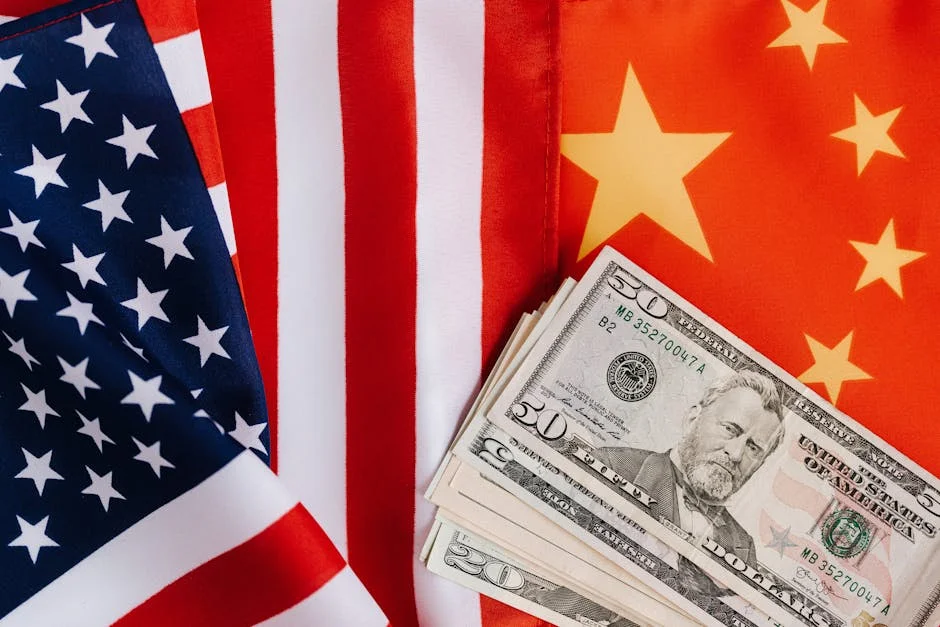
The current economic landscape has been marked by fluctuations, with challenges posed by global market conditions, including those influenced by China and India. These two neighbours play significant roles in Nepal’s trade and financial stability, making the election results particularly important for the country’s economic trajectory.
China’s Influence on Nepal’s Economy
China’s economic influence in Nepal has grown substantially in recent years, with numerous infrastructure projects funded and constructed by Chinese companies. This includes major transportation links and hydroelectric plants, which are vital for Nepal’s development and its integration into regional economic networks.
The relationship between Nepal and China has deepened, especially since the Belt and Road Initiative (BRI) was launched. As a result, there is considerable interest among Nepalese citizens in how their elected representatives will navigate these ties and ensure they benefit the local economy.
India’s Role in Nepal’s Economic Future
India remains a critical partner for Nepal, given historical and cultural ties, as well as geographical proximity. However, there have been some economic tensions between the two countries, most notably in the form of border disputes and trade barriers.
Nepalese citizens are keenly aware of the need for balanced and harmonious relations with both China and India to foster a stable and prosperous economic environment. They are watching closely to see how the incoming government will handle these relationships and the resulting impacts on daily life and local businesses.
Voters’ Concerns and Community Response
Unemployment and inflation are two of the biggest concerns for Nepalese voters, with many families feeling the pinch from rising costs of living. In rural areas, there is also a desire for better access to education and healthcare, which are often linked to economic opportunities.
The community response to the election has been one of cautious optimism, with many hoping that the new government will be able to implement effective policies that address these longstanding issues. There is also a sense of excitement around the potential for innovation and growth, especially in sectors like technology and manufacturing.
March’s Impact on Nepal and Its Neighbours
The timing of the March 5th election is significant not just for Nepal, but also for its neighbours. It comes at a time when both China and India are experiencing their own economic shifts and policy changes, which could have ripple effects across the region.
Nepalese citizens and communities are looking forward to seeing how the election results will shape the country’s future, and how it will interact with its larger neighbours in the coming years. The outcome is expected to set the stage for a period of renewed focus on economic development and cooperation in the broader South Asian context.