Israel launched a major attack on Lebanon, stating it is prepared to continue the war as long as necessary. The assault has significant implications for the daily lives and safety of Lebanese citizens.
Major Israeli Offensive Targets Lebanon
On Thursday, Israel carried out a large-scale military operation against Lebanon, targeting several areas within the country. This move comes after weeks of tension between Israel and the militant group Hezbollah, which controls parts of Lebanon. The attack includes air strikes and artillery fire, aiming to weaken Hezbollah's military capabilities.
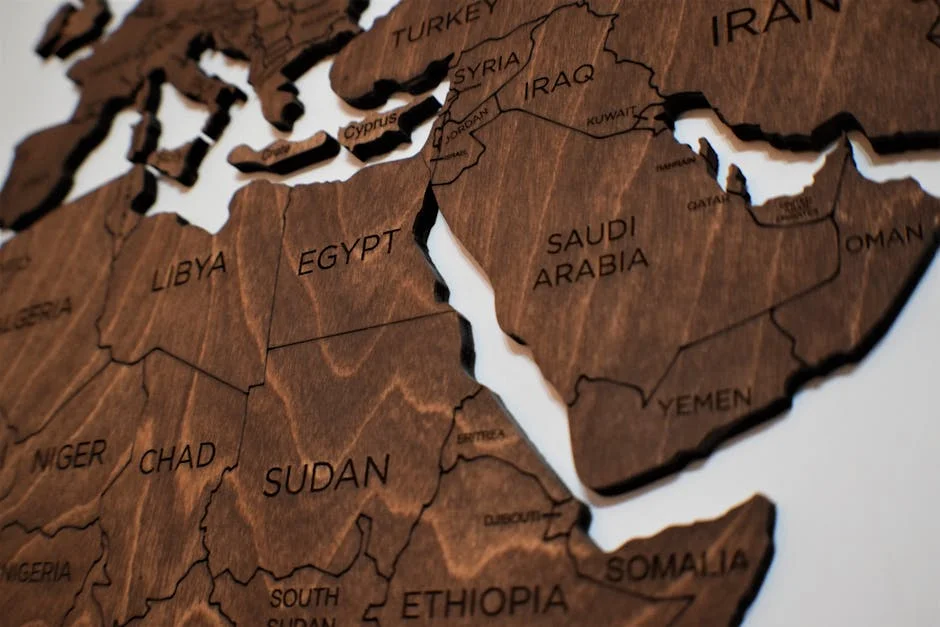
The timing of this offensive is crucial, as it follows a series of rocket attacks from Lebanon towards Israeli territory earlier this week. These events have heightened the sense of danger for residents living near the border.
Citizens' Daily Life Disrupted
The ongoing conflict has caused widespread disruption to the daily lives of Lebanese citizens. Many people have been forced to leave their homes, seeking shelter in safer areas. Schools and businesses have closed temporarily, impacting the local economy. Essential services such as electricity and water supply have also been affected, causing further hardship for the population.
In addition to physical displacement, the psychological toll on the Lebanese people cannot be underestimated. The constant threat of violence creates a sense of uncertainty and fear, making it difficult for families to plan for the future.
Economic Strain on Lebanon
The economic situation in Lebanon has already been challenging due to years of political instability and financial crisis. The recent military actions add another layer of difficulty to an already strained economy. The closure of businesses and schools has led to job losses and reduced income for many Lebanese families.
Furthermore, the disruption to transportation and trade routes has made it harder for goods to flow into the country, potentially leading to shortages and higher prices for basic necessities. The Lebanese pound has also experienced volatility, affecting the purchasing power of the average citizen.
Community Response and Solidarity
The Lebanese community has responded with solidarity and resilience in the face of the current crisis. Neighbourhoods have come together to provide support to those who have been displaced, sharing food, clothing, and other essential items. Community centres and mosques have opened their doors to offer shelter and a sense of security.
Local organisations and charities have stepped up their efforts, providing aid and assistance to those most affected by the conflict. Volunteers have worked tirelessly to ensure that basic needs are met, despite the challenging conditions.
Looking Ahead
The duration and intensity of the conflict will continue to shape the lives of Lebanese citizens in the coming days and weeks. As the fighting continues, more people may be forced to leave their homes, and the economic situation could worsen. However, the strong sense of community and resilience displayed by the Lebanese people offers hope for recovery and stability in the future.
International attention remains focused on the region, with neighbouring countries and global powers closely watching the situation. The outcome of the current conflict could have far-reaching effects not just for Lebanon, but for the entire Middle East.