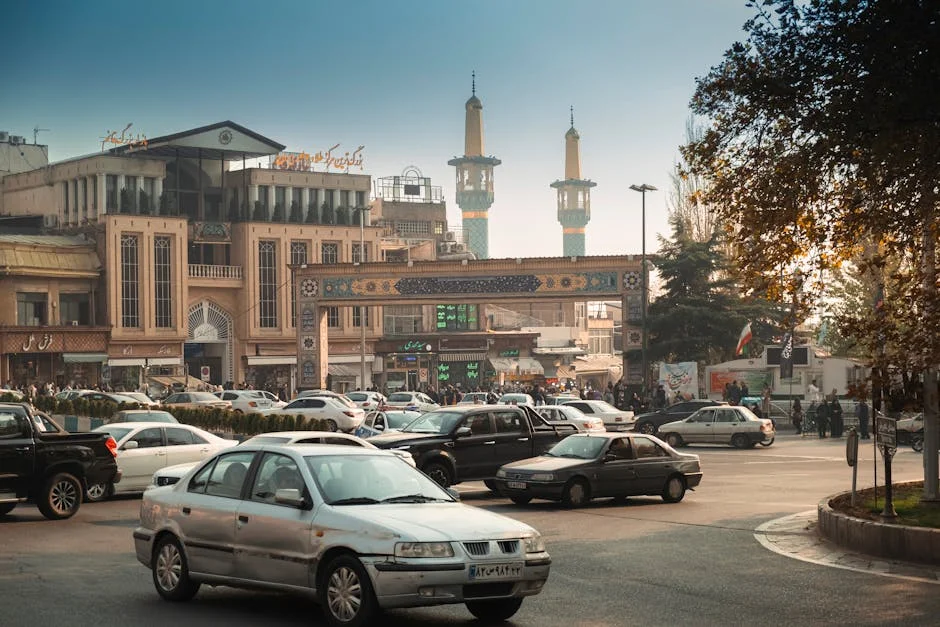
The ongoing tensions in Iran have not only affected the global supply of oil and gas but also disrupted six other key commodities, impacting the daily lives of citizens and communities in the Middle East and beyond.
Iran War Disrupts Global Commodity Markets
The recent escalation of hostilities in Iran has caused significant disruption to global commodity markets. Alongside oil and gas, Iran's production and export of metals such as steel and copper, agricultural products including wheat and rice, and even fruits and nuts have been impacted. These commodities play a crucial role in the economies of many countries, especially those in the Middle East.

According to the World Bank, the Middle East region accounts for approximately 20% of global exports of non-oil goods. The Strait of Hormuz, through which a significant portion of these goods pass, remains a critical chokepoint for international trade.
Impact on Local Economies and Communities
The disruptions in commodity flows have had a direct impact on local economies and communities in the Middle East. For instance, in countries such as Iraq and Kuwait, which rely heavily on trade with Iran, the reduction in imports of goods like steel and copper has led to increased prices and shortages in construction materials. This, in turn, affects the cost of housing and infrastructure development, which can be particularly challenging for low-income families.
In addition, the agricultural sector has seen its fair share of difficulties. With Iran being a major exporter of wheat and rice, the reduced availability of these staples has led to higher prices in neighbouring countries, putting pressure on household budgets. For example, in Saudi Arabia, the price of bread, a staple food, has risen by about 5% over the past few months due to the disruptions.
Social Impact and Community Response
The social impact of these disruptions is felt across various segments of society. In cities like Dubai and Abu Dhabi, where there is a large expatriate population, the cost of living has increased, making it harder for residents to afford basic necessities. This has prompted community groups to organise support networks, helping one another with discounts on essential goods and services.
Moreover, the shortage of fruits and nuts from Iran has led to a surge in popularity for alternative sources. For example, dates from Egypt and almonds from Turkey have become more sought-after, providing an economic boost to these regions while satisfying the demand in the Middle East.
Consequences and Looking Ahead
The consequences of the disruptions extend beyond just the current economic situation. They also highlight the interconnectedness of global markets and the vulnerability of certain regions to geopolitical events. As the situation in Iran continues to evolve, it is likely that we will see further fluctuations in commodity prices and trade patterns.
Local authorities in the Middle East are closely monitoring the situation and working to mitigate the effects on their citizens. For example, the UAE has announced plans to increase its domestic production of steel and copper to reduce reliance on imports from Iran. Similarly, Saudi Arabia has launched initiatives to enhance its agricultural self-sufficiency, aiming to produce more of its own wheat and rice.
What to Watch Next
As the Iran conflict persists, there are several key areas to watch. Firstly, the stability of the Strait of Hormuz will continue to be crucial for global trade. Secondly, the ability of Middle Eastern countries to diversify their economies and reduce dependence on Iranian imports will be closely observed. Lastly, the impact on consumer prices and the overall cost of living in the region will remain a focal point for both policymakers and citizens alike.