Dentists in the United Kingdom have returned £900 million to the National Health Service (NHS) after failing to meet targets for seeing NHS patients. This significant sum has been handed back due to the dentists' inability to provide the required level of care, impacting millions of people across the country. In India, this development highlights the importance of robust healthcare systems and the potential challenges faced by citizens relying on public services.
NHS Dental Targets Not Met
The £900 million returned by dentists represents a substantial portion of the money allocated for providing NHS dental care. The shortfall occurred because many dentists did not see as many NHS patients as they were contracted to do. This means that the government will need to redistribute this money to cover other healthcare expenses or find ways to ensure that more NHS patients receive dental care.
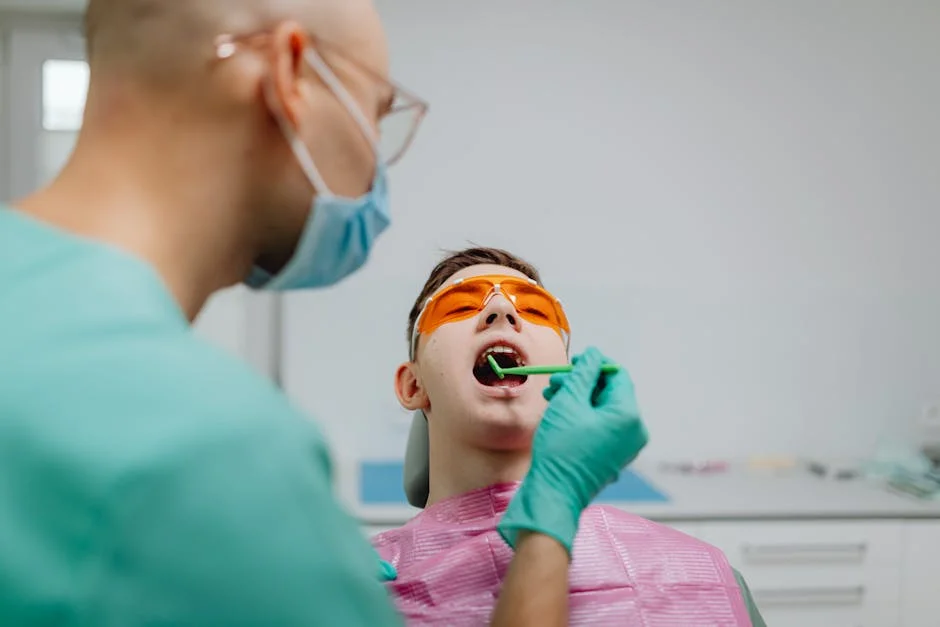
In the context of the wider NHS, this development is significant as it shows that even well-funded and essential services can face challenges in meeting their goals. The impact on individual patients may vary, but overall, it signals a need for closer monitoring and support within the dental sector.
Implications for Citizens and Communities
The return of £900 million from dentists has direct implications for the daily lives of citizens and communities in the UK. With less funding available for dental care, there may be delays in appointments or fewer options for treatments under the NHS. This can be particularly challenging for those who rely on the NHS for regular check-ups and necessary procedures.
For Indian communities, this serves as a reminder of the importance of accessible and affordable healthcare. Many families in India also depend on public healthcare systems, and the experiences in the UK highlight the need for continuous improvement and adaptation in healthcare provision.
Economic Impact on Local Practices
The financial return by dentists also has an economic impact on local practices. By not reaching their target number of NHS patients, some dental practices may have to adjust their business models or look for alternative sources of income. This could mean offering more private services or expanding their patient base beyond just NHS clients.
This shift might affect the availability of certain treatments or the prices charged for dental care. For communities, it could mean that while NHS patients may face some challenges, there are still options for accessing quality dental care, albeit potentially at a higher cost.
Community Response and Adaptation
The community response to this situation has varied, with some patients expressing frustration over longer wait times or reduced service levels. However, there has also been a sense of resilience, with many individuals finding alternative solutions or adapting to the changes in the NHS dental system.
In Indian communities, there is often a strong sense of collective responsibility and support, which can help mitigate the effects of such healthcare challenges. Families and neighbours often share information about good doctors or clinics, and there is a tradition of looking out for one another's health needs.
Looking Ahead
As the NHS continues to navigate these challenges, it is likely that we will see further adaptations in how dental care is provided. This could include changes to how dentists are paid, increased investment in technology, or new initiatives to improve access to care.
For Indian communities, this serves as an important lesson about the ongoing need for strong healthcare systems. Whether through public services or private providers, access to reliable and affordable dental care remains crucial for maintaining good health and quality of life.