Tesla’s Full Self-Driving (FSD) technology has been caught on camera causing a collision at a level crossing barrier, raising concerns about its safety and reliability. The video, which shows the vehicle driving into the barriers instead of stopping, highlights ongoing challenges for the tech giant as it seeks to perfect autonomous driving capabilities.
Tesla’s FSD Technology Fails at Level Crossing
The incident occurred recently when a Tesla equipped with the company’s Full Self-Driving (FSD) feature approached a level crossing. Instead of stopping safely at the crossing barriers, the vehicle collided with them, causing damage to both the barriers and the car itself. This event has sparked discussions about the current limitations of FSD technology and its readiness for widespread use.
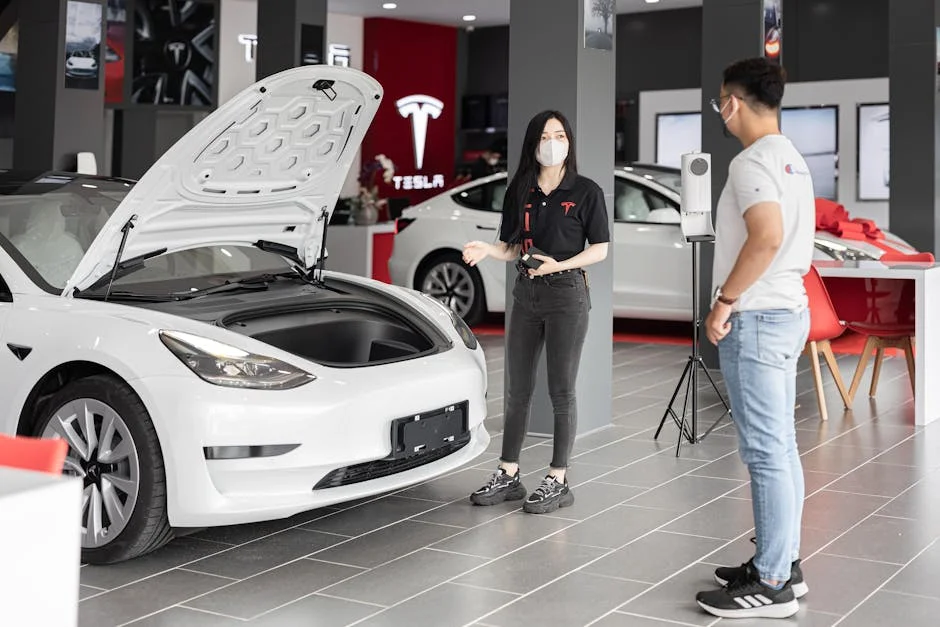
Tesla’s FSD is designed to allow vehicles to navigate autonomously, making it a significant step towards fully driverless cars. However, incidents like this one show that there is still work to be done before FSD can be considered completely reliable in all scenarios.
Impact on Daily Life and Local Communities
The collision at the level crossing not only affects the individuals involved but also impacts the broader community where it took place. For residents and commuters in the area, the incident serves as a reminder of the importance of vigilance when interacting with self-driving vehicles. It also raises questions about how such technologies will integrate into existing infrastructure and traffic patterns.
In addition, local businesses and services near the crossing may experience disruptions due to the need for repairs and potential changes to traffic flow. The incident could also influence public perception and trust in self-driving technology, potentially affecting future adoption rates within the community.
Tesla’s Response and Next Steps
Tesla has not yet provided an official statement regarding the incident, but it is expected to conduct a thorough investigation to understand the cause of the collision. This will likely involve analyzing data from the vehicle’s sensors and cameras to determine if there were any specific factors that contributed to the issue.
The company may use the findings from this incident to refine and improve its FSD software, ensuring that similar mistakes do not occur in the future. This ongoing process of testing and improvement is crucial for Tesla as it continues to develop and expand its autonomous driving features.
Broader Implications for Autonomous Vehicles
Beyond just this particular incident, the collision at the level crossing highlights some of the broader challenges faced by companies developing autonomous vehicle technology. These include navigating complex urban environments, accurately interpreting road signs and signals, and responding appropriately to unexpected obstacles or changes in the road.
The incident also underscores the importance of robust testing and validation processes for self-driving systems. As more vehicles hit the roads with advanced autonomous features, ensuring their safety and reliability becomes increasingly critical for public confidence and regulatory approval.
Community Response and Future Outlook
The local community’s response to the incident has been varied, with some residents expressing concern about the safety of self-driving vehicles and others curious about how the technology works. Local media coverage has helped to raise awareness about the capabilities and limitations of Tesla’s FSD system.
Looking ahead, it is likely that we will see continued advancements in autonomous driving technology as companies like Tesla continue to innovate and learn from real-world experiences. The lessons learned from this collision will contribute to the ongoing development of safer and more efficient self-driving systems, benefiting both the residents of the local community and users of autonomous vehicles worldwide.