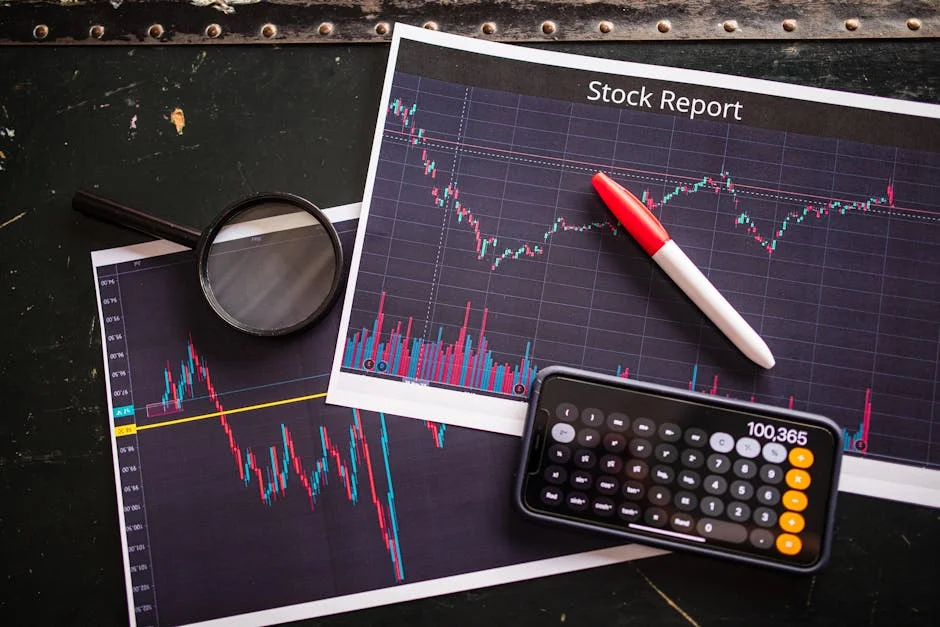
Stock Market Plummets: Sensex Tumbles Over 1,000 Points - Impact on Daily Lives
Published March 11, 2026 · 11:34Read time 3 minViews 11business-economy
The Indian stock market took a significant hit on Wednesday as the BSE Sensex fell by more than 1,000 points, pushing the Nifty50 index below the 24,000 mark. This downturn has sent shockwaves through the financial sector and has direct implications for the everyday lives of millions of Indians.
Market Crash Triggers Economic Concerns
The sudden drop in the stock market has raised concerns among investors and ordinary citizens alike. The Sensex's decline from 25,000 to under 24,000 points in just one day highlights the volatility of the market and the potential risks for those invested in stocks. Analysts attribute the fall to a combination of global economic uncertainties and domestic factors such as rising inflation and interest rates.
Impact on Savings and Investments
For many Indians, the stock market is not just a place for speculative gains but also a crucial component of their long-term savings strategy. The recent dip could erode the value of investments, particularly for pension funds and retirement accounts. Individuals who rely on dividends for income may see reduced payouts, affecting their financial stability.
business-economy · Stock Market Plummets: Sensex Tumbles Over 1,000 Points - Impact on Daily Lives
Small Businesses Feel the Heat
The ripple effects of the stock market crash extend beyond individual investors to small businesses that depend on a buoyant market for capital and investment. Many startups and SMEs raise funds through Initial Public Offerings (IPOs) or by listing on the stock exchange. A volatile market can make it difficult for these businesses to secure funding, impacting job creation and economic growth at the grassroots level.
Consumer Spending Takes a Hit
The stock market's performance often serves as an indicator of overall economic health and consumer confidence. As the market tumbles, consumers may become more cautious about spending, particularly on big-ticket items like cars and appliances. Retailers and service providers who rely on discretionary spending will likely see a decrease in sales, potentially leading to layoffs and business closures.
Government Interventions and Future Outlook
In response to the market turmoil, the government has announced measures aimed at stabilising the economy. These include steps to curb inflation, support small businesses, and boost investor confidence. However, the effectiveness of these interventions remains to be seen, and experts warn that sustained market recovery will require addressing underlying economic challenges.
Community Response and Adaptation
Across India, communities are grappling with the aftermath of the stock market crash. Financial advisors and non-profits are stepping up to offer guidance on portfolio management and financial planning. Local governments are also implementing measures to cushion the blow, such as tax breaks for small businesses and subsidies for essential goods.
As the dust settles on Wednesday’s market crash, the focus now shifts to how quickly and effectively the country can recover. For now, the immediate impact on daily lives and local economies underscores the interconnectedness of financial markets and real-world outcomes.