A groundbreaking surgical technique combining 3D printing and robotic technology has been introduced by medical researchers in India, promising less invasive cancer surgeries and quicker recovery times for patients. The procedure, which eliminates the need for traditional sutures, could revolutionise cancer treatment in the region, offering hope to thousands of cancer patients.
The Innovative Procedure
The new technique involves using 3D-printed implants to close surgical incisions, replacing conventional sutures. This method not only reduces the risk of infection but also speeds up the healing process. Dr. Ravi Kumar, a leading surgeon at the Apollo Hospitals in Chennai, explains, "With the integration of 3D printing and robotic assistance, we can create customised implants that fit precisely into the surgical site, ensuring a more secure closure and faster recovery."
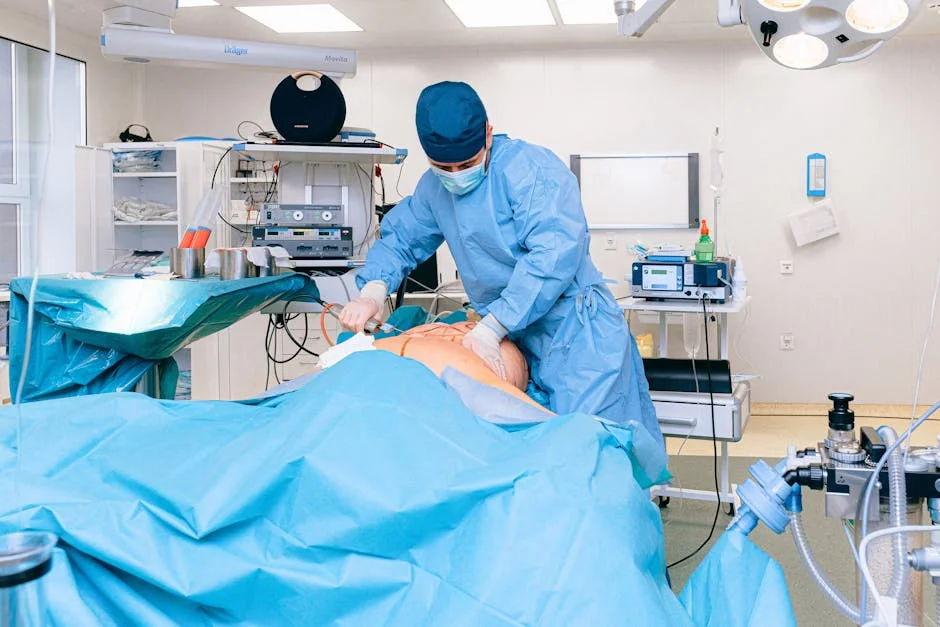
The use of robots in surgery is not new, but the combination with 3D printing represents a significant leap forward. Robotic systems provide unparalleled precision during operations, while 3D printing allows for the creation of bespoke medical devices tailored to individual patients' needs.
The Impact on Patient Care
This innovation is expected to have a profound effect on patient outcomes. Traditional cancer surgeries often require extensive recovery periods due to the need for sutures and the subsequent healing time. With the new method, patients can expect shorter hospital stays and a quicker return to normal activities. Mrs. Sunita Patel, a breast cancer survivor who underwent the procedure, shares her experience: "I was back to my regular routine within weeks, whereas my friends who had traditional surgeries took months to recover."
Moreover, the reduced recovery time translates to fewer complications and lower healthcare costs. For many families in India, where healthcare expenses can be a significant burden, this development could mean the difference between affording and foregoing treatment.
Economic Benefits for Healthcare Providers
The introduction of this advanced surgical technique is also anticipated to boost the local healthcare sector. Hospitals equipped with the necessary technology will attract more patients seeking cutting-edge treatments. This influx of patients can stimulate job creation and improve the overall economic health of the region.
Dr. Rajesh Kumar, head of oncology at a major private hospital in Mumbai, notes, "Investing in such technologies positions us as leaders in cancer care, drawing both domestic and international patients. This, in turn, drives growth in related industries such as medical equipment manufacturing and pharmaceuticals."
Social Response and Community Engagement
The announcement of this innovative procedure has generated considerable excitement among the public. Social media platforms are abuzz with discussions about its potential benefits. Health advocacy groups have organised workshops to educate the community about the new technique and answer questions from concerned citizens.
However, there are also concerns about accessibility. Critics argue that the high cost of 3D printers and robotic systems may limit the availability of this treatment to wealthier hospitals. To address this issue, government bodies are exploring ways to subsidise the technology and ensure equitable access across different socioeconomic groups.
The Future of Cancer Treatment
As this pioneering approach gains traction, it opens doors for further research and development in the field of oncology. Medical professionals anticipate that similar techniques might be applied to other complex surgeries, potentially transforming how various diseases are treated.
The adoption of this technology is still in its early stages, but the initial results are promising. Ongoing clinical trials will help determine the long-term effectiveness and safety of the procedure. If successful, this could mark a significant milestone in the fight against cancer, providing hope and better quality of life for countless patients and their families.
In conclusion, the integration of 3D printing and robotic surgery represents a pivotal moment in cancer treatment. As the technique evolves and becomes more widely available, it holds the potential to significantly enhance patient care and contribute positively to the broader healthcare landscape in India.