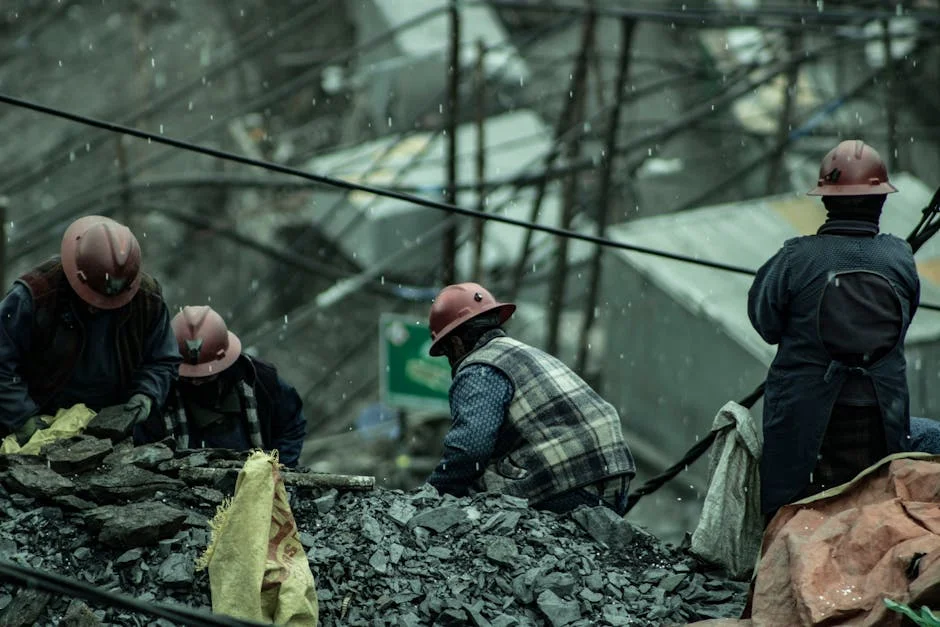
Invisible workers at Kenya’s largest dumpsite in Dandora are living in dire conditions as they sort through the world’s waste, highlighting the urgent need for sustainable solutions. The ongoing struggles of these workers were brought to light during the recent Africa Climate Summit.
Dandora Dump: A Hub of Recycling and Survival
Dandora, located on the outskirts of Nairobi, is home to Kenya’s largest dumpsite, where an estimated 2,000 informal workers sift through mountains of garbage daily. These workers, often referred to as “reclaimers,” are part of a broader network of informal recycling efforts that process a significant portion of the city’s waste. Their work is crucial for recycling materials such as plastics, metals, and paper, which are then sold to local traders.

The dumpsite has become a lifeline for many families in Dandora, providing income and resources that support their daily lives. However, the working conditions are harsh, with little to no safety measures in place. Workers face health risks from exposure to toxic substances and infectious diseases.
The Impact on Citizens and Communities
The plight of these workers has a direct impact on the local community and beyond. The lack of proper waste management infrastructure forces residents to live near hazardous environments, increasing the risk of respiratory illnesses and other health issues. Children in nearby schools have reported higher instances of asthma and skin infections due to the polluted air.
Economically, the informal sector plays a significant role in supporting livelihoods, but the absence of formal recognition and protection leaves workers vulnerable to exploitation. This informal economy also faces challenges in scaling up operations due to limited access to capital and technology.
Health Risks and Environmental Concerns
The environmental impact of the unregulated dumping site extends far beyond Dandora. Leachate from the waste can contaminate groundwater, affecting water sources for surrounding communities. The release of methane gas from decomposing waste contributes to climate change, exacerbating the global warming crisis.
During the Africa Climate Summit, experts highlighted the need for sustainable waste management practices that protect both human health and the environment. They called for the integration of informal recycling sectors into official waste management frameworks, ensuring better working conditions and safer disposal methods.
Community Response and Activism
In response to these challenges, local community groups and NGOs have been advocating for improved conditions at the dumpsite. Initiatives include the provision of protective gear for workers, health clinics to address occupational hazards, and educational programs to raise awareness about the importance of waste segregation.
Residents and activists have also pushed for government intervention, demanding the establishment of a modern waste treatment facility that could provide safer working conditions and reduce environmental pollution. The community’s resilience and advocacy efforts serve as a powerful reminder of the human cost of inadequate waste management systems.
Looking Forward: Sustainable Solutions and Policy Changes
The spotlight on Dandora during the Africa Climate Summit underscores the urgency of addressing these issues. Stakeholders are now exploring innovative approaches, such as public-private partnerships, to enhance waste management practices. These initiatives aim to create a more sustainable and inclusive system that benefits both the environment and the workers.
As discussions continue, the hope is that policymakers will prioritize the needs of the most affected communities, ensuring that future waste management strategies are equitable and effective. By doing so, Kenya can pave the way for a cleaner, healthier, and more prosperous future for all its citizens.