Iceland is on track to become a member of the European Union within one and a half years if its citizens vote in favour of resuming accession talks. The potential change could have significant impacts on the country's economy and daily life.
The Path to EU Membership
Iceland has been considering joining the European Union for several years now, but the process has been halted due to political and economic factors. However, a recent shift in public opinion and government policy could see the Nordic nation take a decisive step towards EU membership. If the upcoming referendum is successful, Iceland will be able to resume negotiations that were paused in 2013.
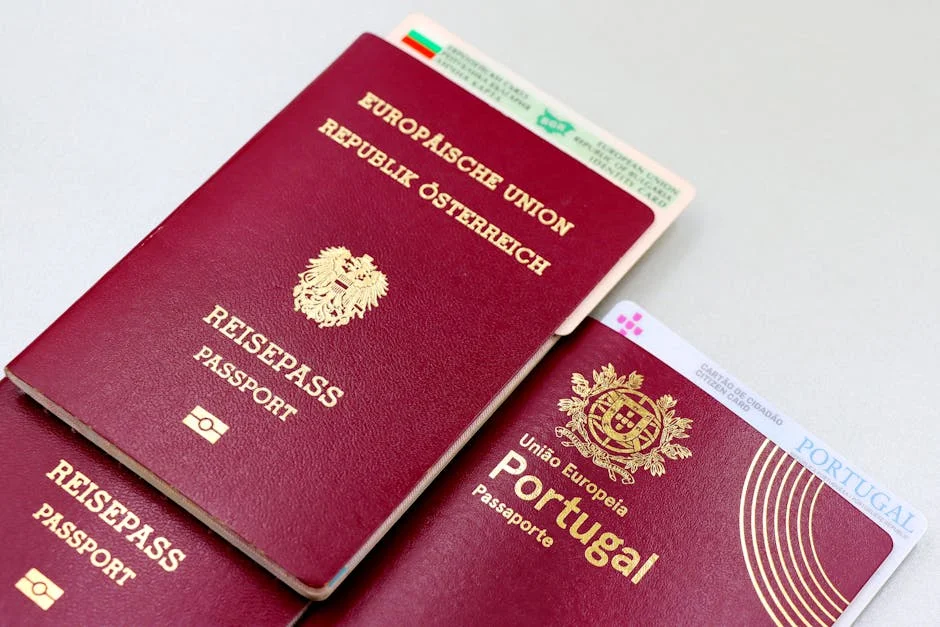
The decision to hold a referendum was driven by the desire to address concerns about Iceland’s economy and its place in the global market. Since 2013, Iceland has seen steady growth and stability, making it more attractive for EU membership.
Economic Benefits for Icelanders
Joining the European Union would bring substantial benefits to Iceland's economy. Access to the single market would mean increased trade opportunities and better access to capital, which could boost investment and job creation. For many citizens, this could translate into more diverse employment options and higher living standards.
Moreover, EU membership would likely lead to lower prices for imported goods and services, benefiting consumers across the country. This could especially help families and small businesses, who often struggle with high costs of living and operating expenses.
Social Impact on Communities
The social fabric of Icelandic communities stands to be enriched by EU membership as well. With more open borders, there would be greater mobility for both residents and visitors. This could foster cultural exchange and strengthen ties between Iceland and other European nations.
In addition, EU membership could enhance educational opportunities for young Icelanders. More students might choose to study abroad within the EU, broadening their horizons and potentially leading to a more internationally-minded workforce in the future.
Community Response and Next Steps
The prospect of EU membership has sparked lively debate among Icelanders. While some welcome the idea, others are cautious about the changes it might bring. Farmers and fishers, for example, have expressed concerns about the impact on traditional industries.
Once the referendum results are known, the Icelandic government will move swiftly to restart negotiations with the EU. If the outcome is positive, the accession process could be completed within a year and a half, allowing Iceland to formally join the Union by 2025.