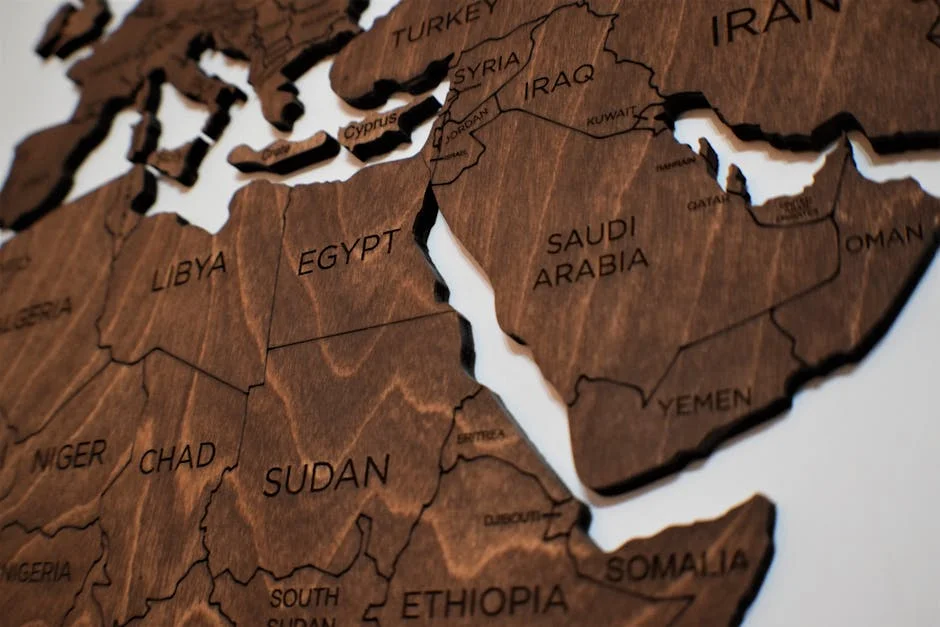
Hamas has congratulated Ali Khamenei on his elevation to the position of Iran’s Supreme Leader, expressing hope that he will secure success against the United States and Israel. The move signals a continued alliance between the two groups and highlights the complex dynamics at play in the Middle East.
Iranian Leadership Change
Ali Khamenei, the new Supreme Leader of Iran, has been warmly welcomed by the Palestinian group Hamas. This relationship is significant because it underscores the ongoing support and cooperation between Iran and Hamas, which has existed for many years. Khamenei, who succeeded Ayatollah Ali Khamenei upon his passing last year, is now at the helm of one of the most influential countries in the Middle East.

The leadership transition in Iran is not just an internal matter; it resonates across the entire region, particularly in areas where Iran exerts considerable influence, such as Lebanon, Syria, and the Palestinian territories.
Hamas's Stance and Support
Hamas, led by Hazem Qasem, has long relied on support from Iran, both financial and military, to sustain its operations and resist Israeli occupation. By extending its congratulations to Khamenei, Hamas is reaffirming its commitment to the strategic partnership with Iran and its opposition to the policies of the United States and Israel.
This support from Hamas is crucial for Khamenei as he navigates the complexities of international relations and seeks to strengthen Iran’s position in the region. It also bolsters Khamenei’s standing within Iran and among its allies.
Regional Impact on Citizens and Communities
The close ties between Iran and Hamas have a direct impact on the daily lives of citizens in the region. For Palestinians living under Israeli control, the backing provided by Iran can mean access to essential resources, such as food, medical supplies, and educational materials. Additionally, it often translates into political stability and security for the Palestinian people.
In the broader context, the alliance between Iran and Hamas influences the economic conditions and social fabric of the region. It shapes trade relationships, cultural exchanges, and even educational opportunities for students from Palestine and other neighbouring countries.
Challenges and Future Outlook
The relationship between Iran and Hamas faces numerous challenges, including ongoing conflicts with Israel and differing views on certain issues. However, the strong bond between the two groups remains a cornerstone of regional politics.
As Khamenei continues to assert leadership, the future holds potential for further strengthening of this alliance. This could lead to more robust support for Palestinian causes and increased resistance against perceived adversaries like the United States and Israel.
Community Response and Reactions
The Palestinian community, along with other regional stakeholders, has responded positively to the congratulations extended by Hamas to Khamenei. There is a sense of unity and shared purpose, which is reflected in the enthusiastic reception of Khamenei’s leadership.
Local leaders and citizens alike view this as a positive development, one that promises continued support and solidarity in their ongoing struggles. The community looks forward to seeing how this relationship evolves and what benefits it might bring to their daily lives and overall well-being.