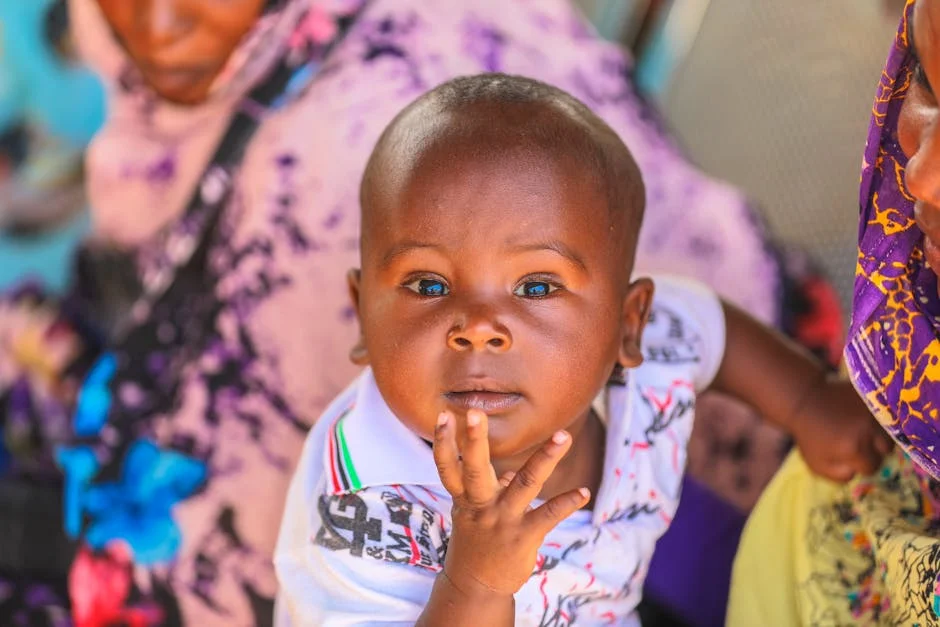
The United Nations has issued a clarion call for prioritising maternal and newborn health across Africa, spotlighting alarming statistics that reveal the urgent need for action. With the Sustainable Development Goals (SDGs) looming, stakeholders are urged to address the high rates of maternal and infant mortality that continue to plague the continent.
Staggering Statistics Highlight the Crisis
According to the United Nations Maternal Mortality Estimation Interagency Group, Africa accounts for a significant proportion of the world’s maternal and newborn deaths, with nearly 200,000 women dying during childbirth each year. In countries like Nigeria, the situation is particularly dire; the maternal mortality rate stands at 512 deaths per 100,000 live births, a stark reminder of the systemic issues that persist.
The Role of Sustainable Development Goals
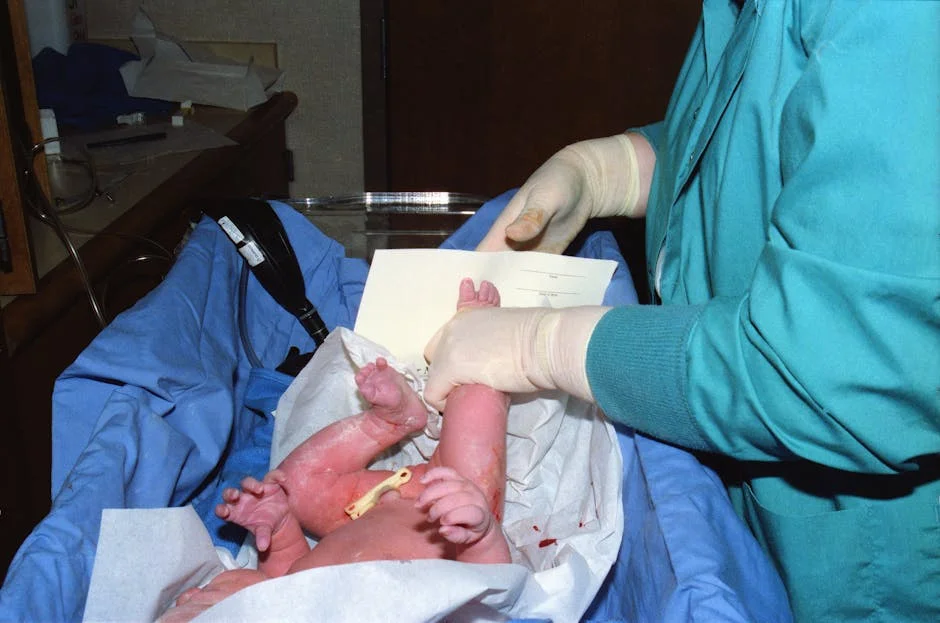
The UN emphasizes that addressing maternal and newborn health is not just a health issue, but a crucial component of achieving the Sustainable Development Goals (SDGs) by 2030. One of the key targets aims to reduce global maternal mortality to less than 70 per 100,000 live births. Failure to meet this goal will have cascading effects on communities, economies, and overall public health in the region.
Local Impact: What the Statistics Mean for Communities
For many families in Africa, these statistics represent a grim reality. The loss of mothers during childbirth inevitably impacts children, resulting in higher rates of infant mortality and long-term socio-economic challenges. Communities often face increased healthcare costs and a loss of workforce, perpetuating cycles of poverty. In rural areas, where healthcare facilities are scarce, the absence of maternal health services is especially detrimental, leaving many women without access to safe childbirth options.
Community Response: Mobilising for Change
In response to this ongoing crisis, various local NGOs and community groups have launched initiatives aimed at improving maternal and newborn health. Educational programmes that raise awareness about prenatal and postnatal care are gaining traction in several regions. These grassroots efforts are vital as they empower women and families with the knowledge and resources needed to navigate healthcare systems effectively.
Next Steps: What to Watch For
As the UN's call to action resonates across the continent, it is essential for local governments and organisations to respond decisively. Monitoring progress towards the SDGs and the implementation of health policies aimed at improving maternal and newborn health will be crucial in the coming months. Citizens are encouraged to engage with their local health authorities to ensure that the issue remains a high priority on the agenda, ultimately advocating for a healthier future for their communities.