Satellite imagery has confirmed the presence of the Oreshnik missile system in Belarus, raising concerns over the potential escalation of tensions in Eastern Europe. The discovery comes amid heightened military activity in the region and has immediate implications for the daily lives and economic well-being of citizens in nearby countries.
The Oreshnik Missile System Detected
Satellite operators have reported spotting the Oreshnik missile system in Belarus, a development that has caught the attention of defence analysts and policymakers alike. The Oreshnik is a mobile, solid-fuelled ballistic missile designed for rapid deployment and strategic deterrence. Its appearance in Belarus is seen as a significant move by Russia, which maintains close ties with the Belarusian government.
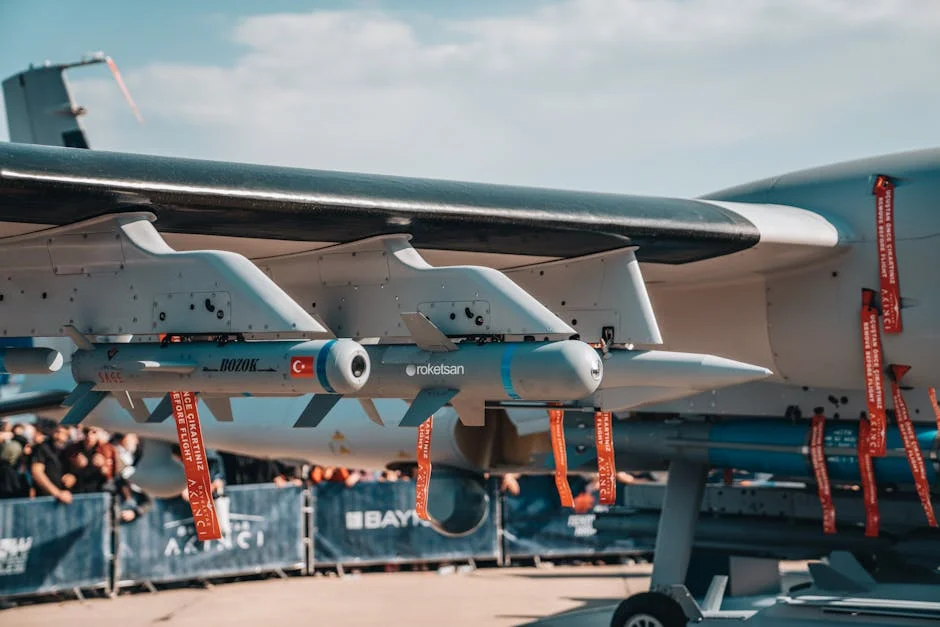
The detection was made possible through advanced satellite imaging technology, which can track large-scale military movements with precision. This method of surveillance is increasingly crucial in monitoring global military activities, especially in regions prone to geopolitical tension.
Historical Context and Recent Developments
The presence of the Oreshnik system in Belarus adds another layer of complexity to an already volatile situation in Eastern Europe. Historically, Belarus has served as a buffer zone between NATO and Russian forces, and the introduction of such advanced weaponry could alter the balance of power in the region.
In recent months, there have been several escalations along the borders of Ukraine and Poland, with both sides conducting military exercises and deploying additional troops. The arrival of the Oreshnik system in Belarus underscores the ongoing arms race and the increasing militarisation of the region.
Immediate Impact on Daily Life
The confirmation of the Oreshnik's presence in Belarus has led to increased anxiety among residents in neighbouring countries, particularly in Ukraine and Poland. Citizens are concerned about the potential for conflict spilling over into their territories, affecting everything from personal safety to access to essential services.
Local businesses, particularly those reliant on cross-border trade, are also feeling the strain. With heightened security measures and the possibility of economic sanctions, many companies are re-evaluating their supply chains and investment strategies. This uncertainty can lead to job losses and economic downturns, impacting families and communities across the region.
Economic Ramifications
The economic repercussions of the Oreshnik's deployment extend beyond individual businesses. Governments in affected countries are considering increased military spending to counteract the perceived threat, diverting resources away from other vital areas such as healthcare and education. This reallocation of funds can have long-term negative effects on the quality of life for citizens.
Moreover, international investors are likely to reassess their positions in the region, potentially leading to capital flight and reduced foreign direct investment. This can stifle economic growth and limit opportunities for development in already fragile economies.
Community Response and Preparedness
In response to the heightened military presence, communities across Eastern Europe are taking steps to prepare for potential emergencies. Local authorities are conducting drills and public awareness campaigns to educate residents on safety procedures during times of conflict.
Civil society organisations are also playing a crucial role, providing support and resources to vulnerable populations and advocating for peaceful resolutions to the crisis. Grassroots initiatives aimed at fostering dialogue and understanding between different groups are becoming more prevalent, reflecting a growing recognition of the importance of unity in the face of external threats.
Looking Ahead
As the situation continues to evolve, citizens and policymakers will need to remain vigilant and adaptable. Monitoring future developments closely will be essential, particularly in relation to diplomatic efforts to de-escalate tensions and prevent further militarisation.
The international community will play a pivotal role in shaping the outcome of this crisis. Engaging in constructive dialogue and supporting diplomatic channels can help mitigate the risks posed by the Oreshnik's deployment and work towards a more stable and secure future for all.