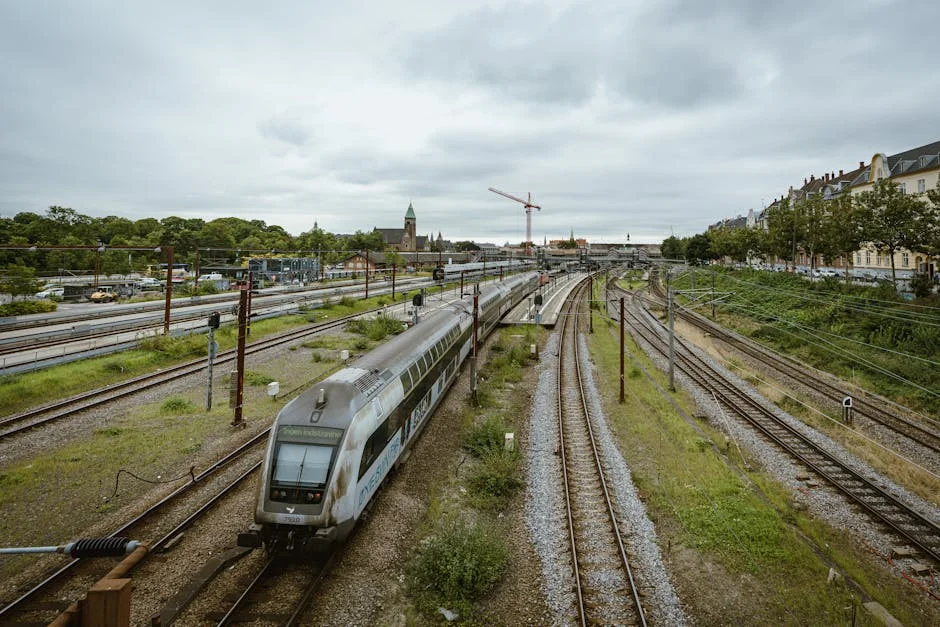
The Indian Railways has revealed a new proposal aimed at altering its private partnership policy, a move that could significantly reshape the operational landscape of the nation’s rail transport. Announced on Monday at a press conference in New Delhi, the proposed changes seek to enhance collaboration with private players to improve services and infrastructure.
Why Railways Matters to Daily Commuters
The Indian Railways is a lifeline for millions of commuters across the country, facilitating travel for an estimated 23 million passengers daily. The proposed changes aim to streamline operations and improve the overall experience for these daily travellers. With the railways being a crucial part of the daily life for many, any enhancements in service delivery could have far-reaching effects on commuting efficiency.
Details of the Proposed Changes
Under the new proposal, the Railways intends to allow greater flexibility for private operators in terms of ticket pricing and service offerings. This could mean more competitive fares and an improvement in service quality as private companies strive to attract passengers. According to Railways Minister Ashwini Vaishnaw, the goal is to foster a more customer-centric model that prioritises passenger satisfaction.
Impact on Local Economies and Businesses
The proposed policy changes may also have significant implications for local economies. By enhancing railway services, regions could see a boost in tourism and commerce, with improved connectivity encouraging more visitors to explore local attractions. Enhanced rail services could also facilitate the movement of goods, benefiting local businesses that rely on efficient transport systems.
Community Reaction: A Mixed Bag
Community response to these proposals has been varied. Some local business owners express optimism about the potential for increased customer traffic, while others voice concerns over the impact of privatisation on ticket prices and service reliability. Activist groups have called for assurances that the changes will not come at the expense of affordability for lower-income passengers, who rely heavily on subsidised fares.
What to Watch for Next
As the Indian Railways moves forward with these proposed changes, stakeholders from across the spectrum are urged to engage in discussions to ensure that the interests of all communities are considered. The final decision on the policy is expected to be made by early next year, making this a critical period for both the Railways and the citizens who depend on its services. Observers will be keen to see how these proposals evolve and what final adjustments will be made to address the concerns raised.