In a significant crackdown on crime, South African police arrested over 16,000 suspects during a week-long operation aimed at combating violent crime across the nation. This initiative, which ran from 16 to 22 October 2023, targeted various criminal activities, including drug trafficking and gender-based violence, marking one of the largest enforcement actions in recent years.
Police Operations: Aiming for Safer Streets
The South African Police Service (SAPS) launched this extensive operation in response to rising concerns about safety and security in local communities. The initiative involved multiple units within the police force, including specialised task teams and local precinct officers, working together to identify and apprehend suspects involved in serious crimes.
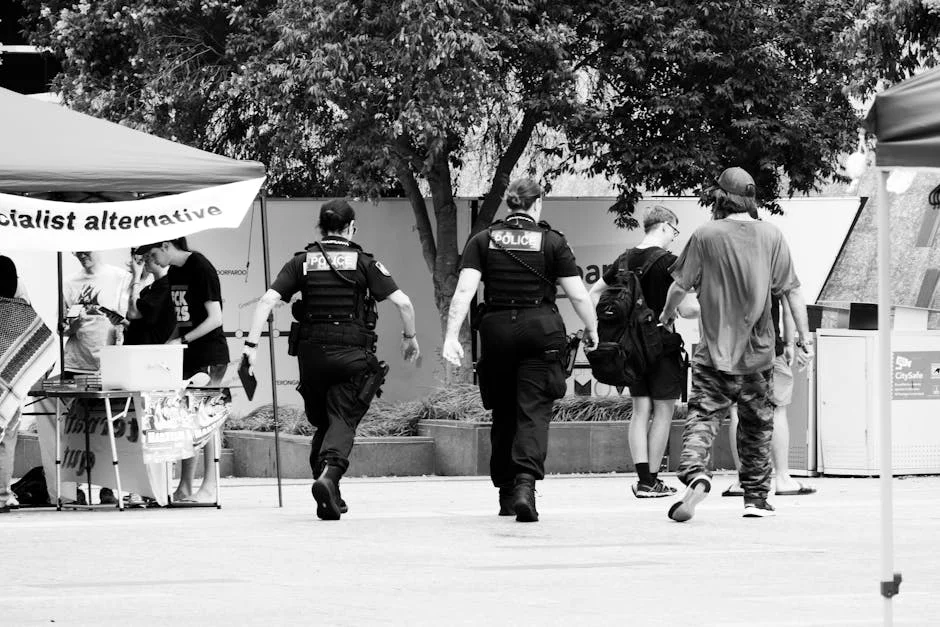
During the course of the operation, authorities reported seizing thousands of illegal firearms and drugs, highlighting the ongoing challenges communities face regarding drug abuse and violence. The operation was not only about arrests; it also aimed to restore public confidence in law enforcement.
Local Impact: Community Responses to Police Crackdown
The wave of arrests has elicited mixed reactions from residents. Many community members expressed relief and appreciation for the police's efforts, as they believe such actions are crucial for enhancing safety in their neighbourhoods. Local resident and community leader Thandiwe Nkosi stated, "We are hopeful that these arrests will lead to a decrease in crime rates and a safer environment for our children. We want to see our streets free from drugs and violence."
However, some citizens have voiced concerns regarding the methods used during these operations. Reports of heavy-handed tactics and wrongful arrests have surfaced, prompting discussions about the need for police accountability and responsible policing practices. As police continue to operate under scrutiny, local advocacy groups are calling for transparency and community engagement in law enforcement strategies.
Statistics Reveal the Scale of the Challenge
According to SAPS data, crime rates in South Africa have seen fluctuations, with specific categories like aggravated robbery and gender-based violence remaining persistently high. The arrests during this operation represent a concerted effort to address these alarming statistics.
In total, over 16,000 suspects were apprehended, alongside the confiscation of more than 900 illegal firearms and approximately 2,500 kilograms of drugs. These figures underscore the scale of the challenges police face in curbing crime and protecting citizens.
What’s Next: Continued Police Developments
The SAPS has indicated that this operation is just the beginning of a more sustained approach to tackling crime in South Africa. Future operations are expected to focus on community-based policing methods, which aim to strengthen relationships between law enforcement and residents.
As citizens watch closely, the outcome of these efforts will be critical in determining whether trust in the police can be rebuilt and crime can be significantly reduced. Ongoing dialogues between police and community stakeholders will be essential in shaping an effective crime prevention strategy moving forward.
Conclusion: The Long Road Ahead for Community Safety
While the recent arrests represent a significant step in the fight against crime, the broader context of community safety remains complex. As South Africa continues to grapple with social issues that contribute to crime, the role of police in fostering safer environments will be closely scrutinised. Community leaders and citizens alike are eager to see how these developments will ultimately impact daily life and local economies.