The ongoing crisis in the Middle East has led to the displacement of approximately 735,000 individuals as violence escalates in Israel and its neighbouring regions. The situation has become increasingly dire, with Hezbollah's involvement further complicating the already volatile landscape. This humanitarian crisis raises pressing questions about the impact on local communities and economies both in the Middle East and beyond.
Growing Humanitarian Needs in the Region
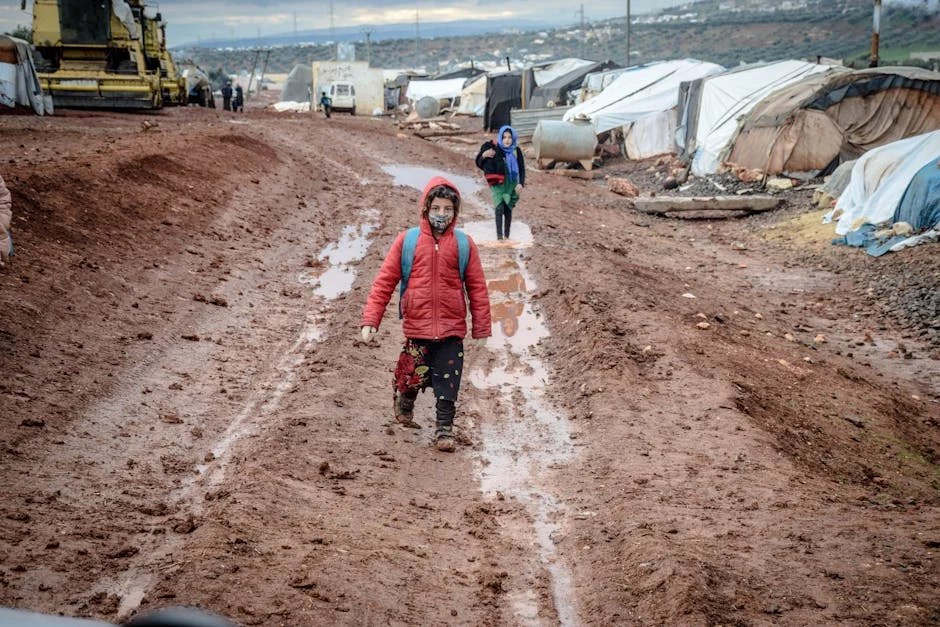
As the conflict continues, international organisations are warning of escalating humanitarian needs. The United Nations reports that the influx of displaced persons has overwhelmed resources in neighbouring countries, with refugee camps struggling to provide adequate food, shelter, and medical assistance. Local citizens, already facing economic challenges, are stepping up to support those fleeing the violence.
The Economic Fallout for Local Communities
The crisis has significant economic implications for countries in the region. Nations like Jordan and Lebanon, which are hosting a large number of displaced individuals, are experiencing strain on their economies. Local businesses are seeing increased demand for goods and services, but the challenge of meeting this demand amidst limited resources is leading to rising prices and inflation. The impact of these economic pressures is felt by everyday citizens, who find their livelihoods under threat.
Social Impact: Community Response to the Crisis
In response to the crisis, communities are mobilising to provide support for displaced individuals. Grassroots organisations, often led by local volunteers, are distributing food and clothing and setting up community centres to assist those in need. This local response highlights the resilience and solidarity among citizens, but also underscores the growing strain on social services and the need for broader support from the international community.
International Reactions and Potential Resolutions
Countries around the world are reacting to this crisis, with calls for diplomatic solutions and humanitarian aid. However, the situation remains complex, with geopolitical tensions influencing responses. As citizens in the region deal with the immediate impacts, the need for a sustainable resolution becomes increasingly urgent. The crisis is not just a regional issue; its effects are rippling outwards, calling for global attention and action.
What’s Next for Displaced Communities?
Looking ahead, the situation remains fluid, with potential for further displacement as the conflict evolves. Citizens and local organisations will likely continue to play a crucial role in supporting those affected. It is essential for governments and international agencies to create comprehensive strategies that not only address immediate humanitarian needs but also focus on long-term solutions to stabilise the region. The resilience of communities facing this crisis will be pivotal in determining the future for displaced individuals and local economies alike.