Kenyans have swapped traditional floral bouquets for cash-filled envelopes this Valentine’s Day, sparking debate among locals about the changing nature of romantic gestures. The shift has left some questioning the sincerity of such displays, while others see it as a practical adaptation to economic challenges.
The Shift from Flowers to Cash
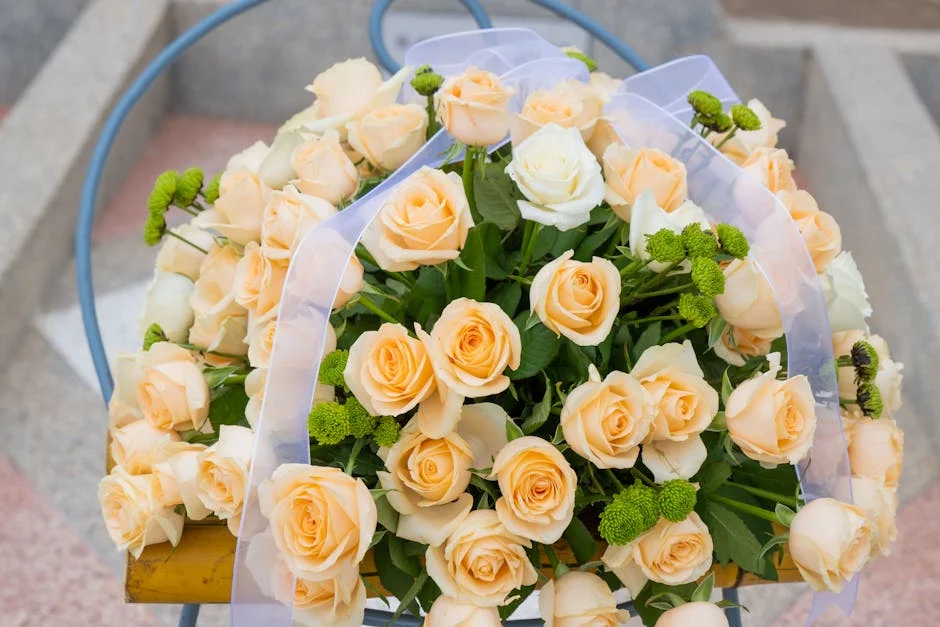
This year, many Kenyans are opting to give their loved ones cash-filled envelopes instead of flowers on Valentine's Day. This trend has been gaining traction over the past few years but has become particularly noticeable in 2024. According to local florists, sales of traditional bouquets have plummeted by nearly 40% compared to last year, indicating a significant shift in consumer behaviour.
The change is attributed to several factors, including rising costs of living and the perception that cash is more practical and useful than perishable flowers. “People are looking for ways to express their love that also offer immediate value,” says Jane Muthoni, a resident of Nairobi who received a cash envelope from her partner this Valentine’s Day. “It’s not just about the gesture anymore; it’s about the impact.”
Economic Factors Driving the Change
The move towards cash bouquets reflects broader economic pressures affecting Kenyans. Inflation rates in Kenya have been on the rise, making luxury items like imported flowers less affordable for many families. Additionally, the cost of producing and importing flowers has increased due to global supply chain disruptions and climate-related issues.
“Flowers are expensive and don’t last long,” explains Peter Ochieng, a flower shop owner in Nairobi. “Many people feel that they can get better use out of cash, which they can spend on groceries, bills, or even saving for the future.” The shift underscores how economic realities can reshape cultural practices and traditions.
Social Impact and Community Response
The trend has sparked mixed reactions within communities across Kenya. While some appreciate the practicality of receiving cash, others feel that the sentiment behind the gesture has been lost. “I think it’s sad that we’ve reduced love to something so transactional,” comments Sarah Njuguna, a student at the University of Nairobi. “Valentine’s Day used to be about expressing your feelings, not just giving something material.”
However, there are those who see the change positively. “It’s refreshing to see people being honest about what they can afford,” says David Kariuki, a businessman in Mombasa. “At the end of the day, it’s the thought that counts, and if the recipient needs money more than flowers, then this is a sensible choice.”
The Role of Social Media in Promoting the Trend
Social media platforms have played a significant role in popularising the idea of cash-filled envelopes as a Valentine’s Day gift. Influencers and celebrities have been sharing posts showing off their cash bouquets, encouraging others to follow suit. This has led to a proliferation of DIY tutorials on how to make attractive envelopes filled with cash, adding a creative twist to the new tradition.
“Social media has really helped normalise this practice,” notes Esther Wanjiku, a social media influencer. “People are seeing that they can still show their love without breaking the bank.” However, critics argue that such trends can be misleading, especially for young people who may not fully understand the underlying economic reasons driving the change.
Consequences and Future Outlook
The shift towards cash bouquets raises questions about the sustainability of traditional Valentine’s Day practices in Kenya. While it offers a solution to current economic challenges, it also risks altering the emotional and cultural significance of the holiday. Florists and retailers are now exploring alternative products that could appeal to consumers looking for meaningful yet practical gifts.
“We need to find a balance between affordability and sentimentality,” suggests Mary Kamau, a marketing expert. “Perhaps we can start thinking about more durable and reusable gifts that still convey affection.” As the economy continues to evolve, it remains to be seen whether this trend will persist or if Kenyans will return to more traditional forms of expression in the future.