Tehran's universities have been shuttered as the Iranian government grapples with a record oil price spike, creating a ripple effect across the region. This decision, made on Monday, is part of a broader response to the ongoing crisis that has left citizens anxiously watching their daily lives unravel.
Rising Oil Prices Trigger National Emergency
The Iranian government announced the temporary closure of universities in response to soaring oil prices that have reached unprecedented heights. On Monday, authorities cited the need to manage the socio-economic impacts of the crisis, which has left many citizens struggling to afford basic goods. This spike, attributed to geopolitical tensions and supply chain disruptions, has escalated into a national emergency, prompting immediate action from the government.
Local Economy Faces Severe Strain
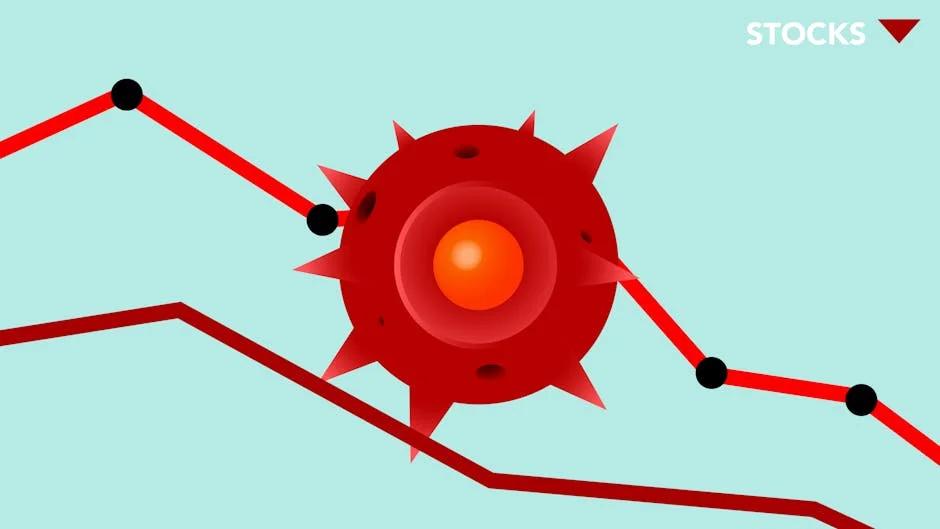
The local economy is already feeling the pinch, with inflation skyrocketing and essential goods becoming increasingly unaffordable. Many Iranians are now spending a significant portion of their income on fuel and food, leading to widespread frustration and unrest. Local businesses have reported a decline in consumer spending, as families prioritise necessities over discretionary purchases. This economic downturn is particularly concerning for small businesses, which are essential for community stability.
Social Impact: Communities in Crisis
The closure of universities has also raised alarms about the educational future of many young Iranians. Students and faculty members are finding themselves in limbo, unable to attend classes or engage in academic pursuits. The social fabric of communities is being tested as families are forced to adjust to the financial strain while grappling with the uncertainty of the crisis. Protests have erupted in several cities as citizens demand government intervention to address the rising cost of living.
Government's Response and Public Sentiment
In light of the crisis politics update, the Iranian government is under immense pressure to act decisively. Officials have promised measures to alleviate the burden on citizens, including potential subsidies on fuel and food. However, many Iranians remain sceptical of these promises, questioning whether they will be implemented in a timely manner. As the crisis unfolds, public sentiment is shifting, with increasing calls for accountability and transparency from the government.
What’s Next: Watching the Developments
As the situation continues to evolve, citizens and communities across Iran and beyond are watching closely. The implications of this crisis extend far beyond national borders, affecting regional stability and economic relations. Analysts warn that if the government fails to address these issues promptly, the social unrest could escalate, leading to further closures and economic challenges. Stakeholders are advised to remain vigilant as the government navigates this turbulent period.