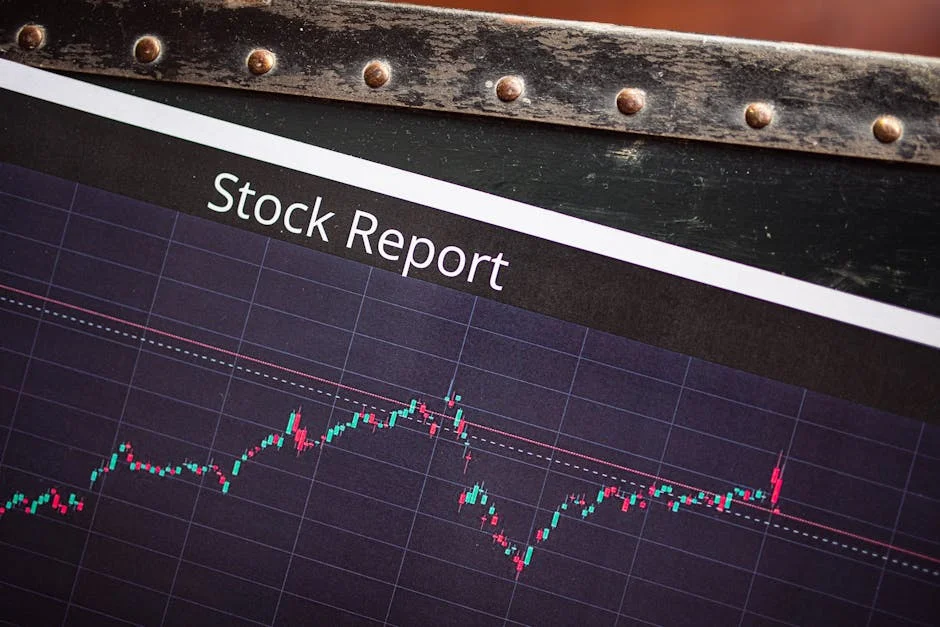
The US stock market experienced a significant downturn today, with the Dow Jones Industrial Average plunging over 700 points, while the S&P 500 fell by 1.3%. This drastic slide was triggered by oil prices nearing $120 a barrel, raising fears of inflation and potential economic slowdown globally.
Local Economies Brace for Impact
The ramifications of this market drop are being felt far beyond the borders of the United States. In India, where many industries are heavily reliant on crude oil imports, the rising prices could translate into increased costs for consumers and businesses alike. Essential commodities, including fuel and food items, are expected to become more expensive as a result of the soaring oil prices, putting additional pressure on households already grappling with inflation.
Rising Fuel Prices Hit Daily Life in India
Many Indian citizens are already feeling the pinch at the petrol pump, with prices expected to rise in the coming days. The Indian Oil Corporation has reported that the average price of petrol has already reached alarming levels in several states, and if oil prices continue to climb, the cost of transportation will inevitably increase. This will not only affect individual commuters but also impact the supply chain for goods, leading to higher prices for everyday products.
Community Response and Economic Strain
Community leaders and economists are voicing concerns over how this economic shift could lead to a slowdown in local economic growth. Small businesses, which often operate on thin margins, may struggle to absorb the increased costs associated with rising fuel prices. Some business owners are already contemplating reducing staff hours or even laying off employees to manage expenses, which could further exacerbate the unemployment situation in the region.
Long-Term Consequences for Indian Consumers
The broader economic impact of these developments could also lead to shifts in consumer behaviour. With rising costs, families may have to tighten their budgets, potentially affecting spending on non-essential goods and services. This decline in consumer spending could have a cascading effect on local economies, further slowing growth and leading to increased vulnerability for many households.
What to Watch for Next
As the situation develops, citizens should stay informed about potential policy responses from the Indian government aimed at mitigating the impact of rising oil prices. Measures could include subsidies for fuel or strategic reserves being released to stabilise prices. Additionally, communities are urged to support local businesses as they navigate these challenging economic waters. Observers will be keen to see how both the Indian and global markets react in the coming weeks as the effects of today's stock market plunge unfold.