Amid rising tensions, the United States faces backlash over a proposed health aid deal with Zambia, with critics labelling it ‘shameless exploitation’. The leaked proposal, published by The Guardian, details conditions that some believe prioritise US interests over Zambian welfare. This situation, which emerged on October 15, 2023, has significant implications for the Zambian community and its health sector.
Leaked Proposal Raises Concerns Among Zambians
The leaked document from the US government outlines a health aid deal that requires Zambia to agree to various economic and political concessions in exchange for vital healthcare support. Critics, including Zambian health advocates and opposition politicians, argue that such terms exploit Zambia's pressing health needs for American benefit. “This is not aid; it’s blackmail,” stated a prominent Zambian health activist who preferred to remain anonymous.
Health Sector at Risk: Local Community Impact
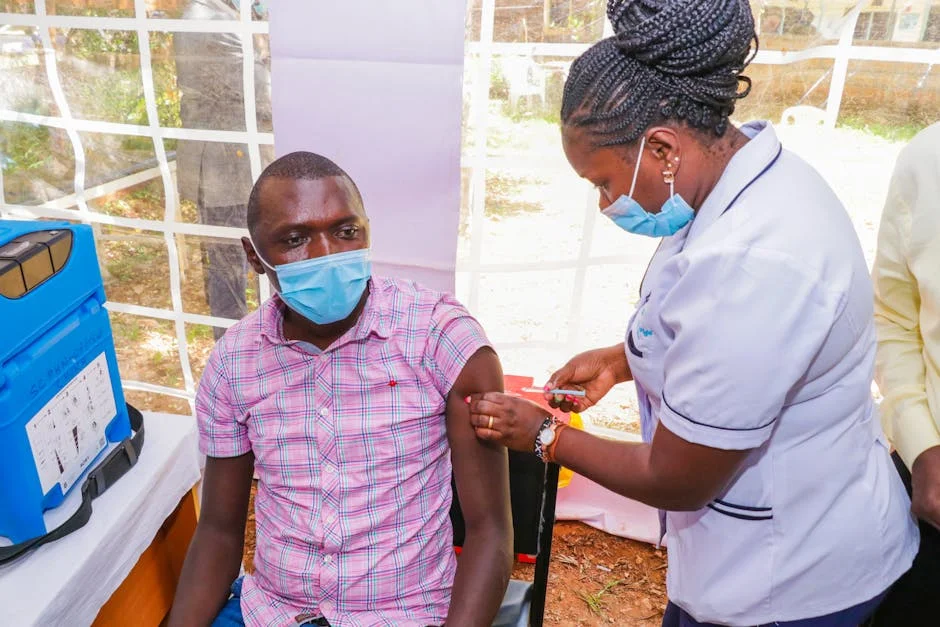
The proposed deal comes at a time when Zambia is grappling with a healthcare crisis exacerbated by economic challenges and the ongoing aftermath of the COVID-19 pandemic. Many citizens rely on external support for critical health services, making the stakes of this deal particularly high. Should the Zambian government acquiesce to the demands, essential services such as maternal healthcare and vaccinations could be compromised, leaving vulnerable populations at risk.
Historical Context: Past Aid Relations with the US
The United States has historically provided significant aid to Zambia, particularly in health and education. However, the relationship has been marred by accusations of paternalism and exploitation. This recent proposal has reignited debates about the nature of US aid and its implications for Zambian sovereignty. With Trump’s administration already facing scrutiny over its foreign policy direction, this development adds further complexity to US-Zambia relations.
Community Response: Calls for Transparency and Accountability
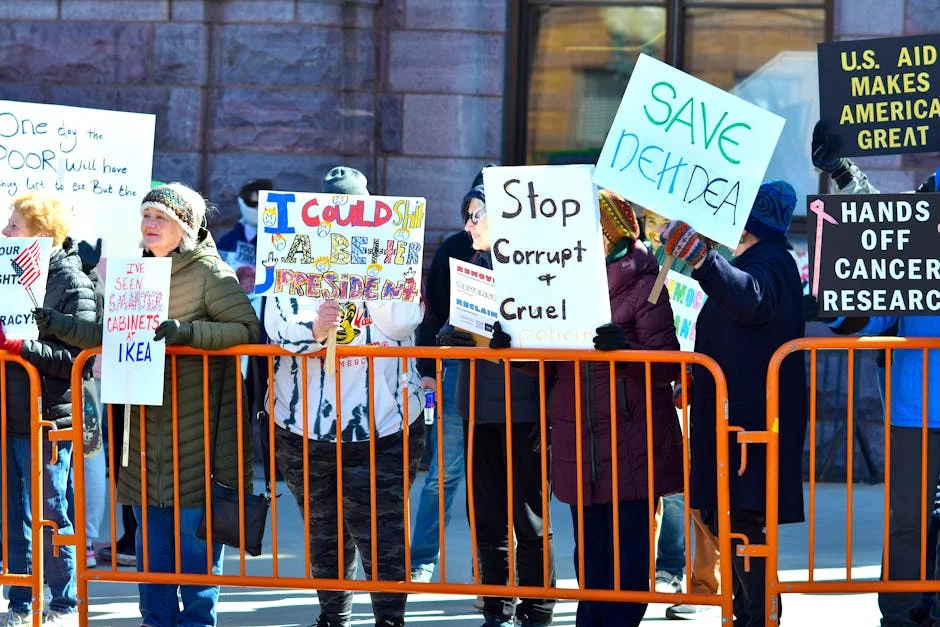
Zambian citizens are expressing outrage over the terms of the proposed deal, with community leaders and activists demanding transparency from their government. “We cannot allow our health to be used as a bargaining chip,” said a local NGO leader. Public forums are being organised to discuss the implications of the proposal and mobilise community action against what they perceive as an unfair agreement.
What’s Next? Monitoring the Negotiations
As discussions continue, Zambians are urged to remain vigilant. The government has not yet confirmed whether it will accept the proposed conditions. Citizens are encouraged to advocate for their rights and demand that any aid agreement prioritises their health needs without compromising Zambia’s sovereignty. The implications of this situation will resonate not only in Zambia but also in how international aid is perceived across the region, especially among nations in similar circumstances.