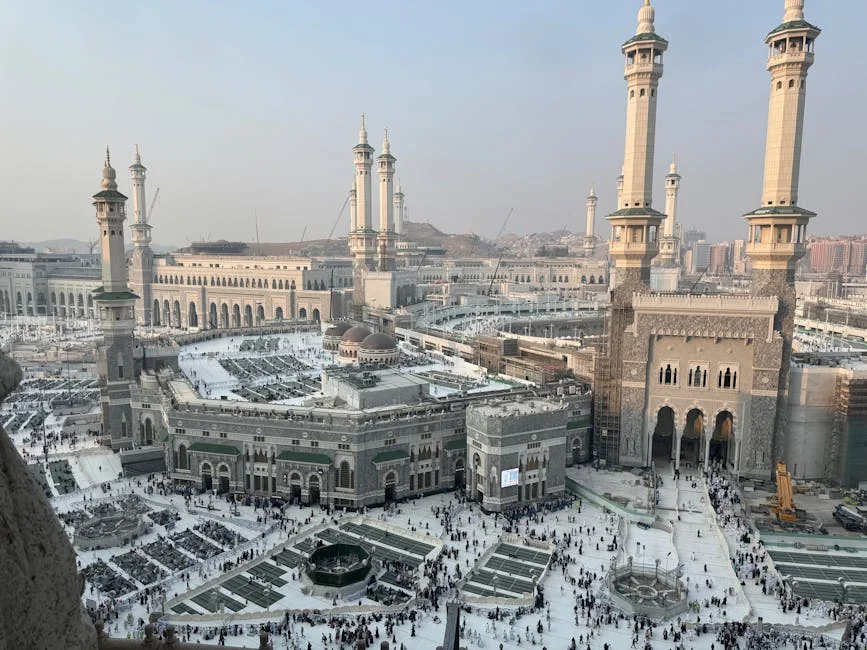
In a distressing turn of events, tens of thousands of Muslim pilgrims have found themselves trapped in Saudi Arabia amid ongoing disruptions during the Umrah pilgrimage. This situation, unfolding in the holy cities of Mecca and Medina, has raised significant concerns over travel logistics and the wellbeing of those affected.
Umrah Disruptions Cause Widespread Chaos
The recent surge in the number of pilgrims participating in Umrah, which has been especially high this year, has led to overcrowding and logistical challenges. Reports indicate that many pilgrims are struggling to secure accommodations, with hotels fully booked, and transportation becoming increasingly difficult. This has left thousands stranded, unable to return home as planned.
Local authorities in Saudi Arabia have implemented measures to address the situation, including increasing shuttle services to assist pilgrims in reaching their destinations. However, these efforts have not sufficed to alleviate the overwhelming demand for services. With the annual pilgrimage season coinciding with peak travel times, many find themselves waiting for extended periods.
Impact on Local Communities and Economy
The influx of pilgrims has significantly boosted the local economy around these holy cities, benefiting hotels, restaurants, and transportation services. However, the current crisis threatens to tarnish this economic boon. Local business owners have expressed concerns that the negative experience of stranded pilgrims could deter future visitors, impacting long-term revenue.
One hotel manager in Mecca, who spoke on condition of anonymity, noted, “We have never seen this many people stranded before, and it’s affecting our reputation. People are leaving negative reviews, and that can hurt our business long after they’ve gone.” This sentiment resonates across various sectors reliant on Umrah pilgrims.
Social Implications for Pilgrims and Local Residents
The social fabric of the local community is also being tested as residents face the challenges posed by the overwhelming number of visitors. Instances of frustration have been reported, with locals struggling to navigate crowded streets and public facilities. Community leaders are calling for a balanced approach to manage the influx while ensuring the wellbeing of both pilgrims and residents.
Moreover, the emotional toll on the pilgrims themselves cannot be overstated. Many who have travelled from distant lands now find themselves anxious and uncertain about their return journey. Reports of families being separated and individuals suffering from health issues due to the stress of being stranded have emerged, leading to calls for urgent intervention.
Government Response and Future Outlook
In response to the growing crisis, the Saudi government is reportedly reviewing its policies regarding pilgrimage management to prevent a recurrence of such situations in the future. Authorities are likely to enhance the monitoring of accommodation availability and transportation logistics to better serve pilgrims during peak seasons.
As Umrah continues to be a vital spiritual journey for millions, the implications of this incident extend beyond immediate concerns. With many Indian citizens among the pilgrims, the situation warrants attention from the Indian government and travel agencies, which may need to offer support or guidance for those affected.
What Lies Ahead for Pilgrims and Local Communities
The current predicament of thousands of pilgrims in Saudi Arabia highlights the necessity for robust planning and management of pilgrimage activities. As the situation develops, both local communities and prospective pilgrims from India must stay informed about travel advisories and available resources. The ongoing challenges of managing the Umrah experience will be a critical issue for the region, with lasting effects on the economy and community dynamics.