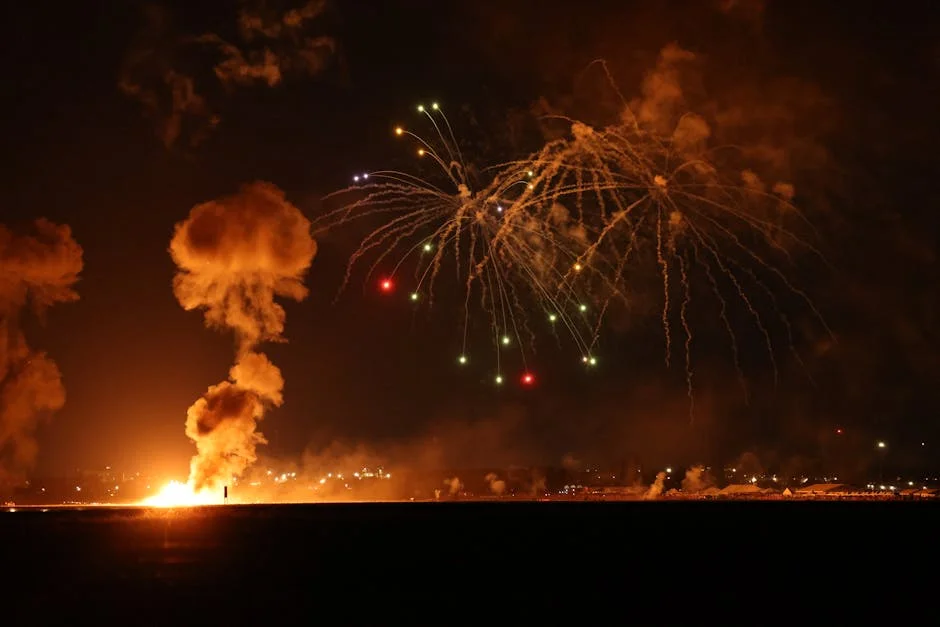
The conflict in Sudan has intensified, leaving citizens caught in the crossfire as violence escalates daily. Over the past month, clashes between rival factions have surged, leading to widespread displacement and humanitarian crises across the nation.
Humanitarian Crisis Deepens as Food Shortages Worsen
The ongoing conflict has resulted in a dramatic rise in food shortages across Sudan. According to the World Food Programme, nearly 18 million people are currently facing severe food insecurity, a figure that has doubled since the conflict reignited in April 2023. Local markets in major cities like Khartoum and El Fasher are struggling to operate due to the violence, with many residents unable to access basic necessities.
Displacement and Its Impact on Communities
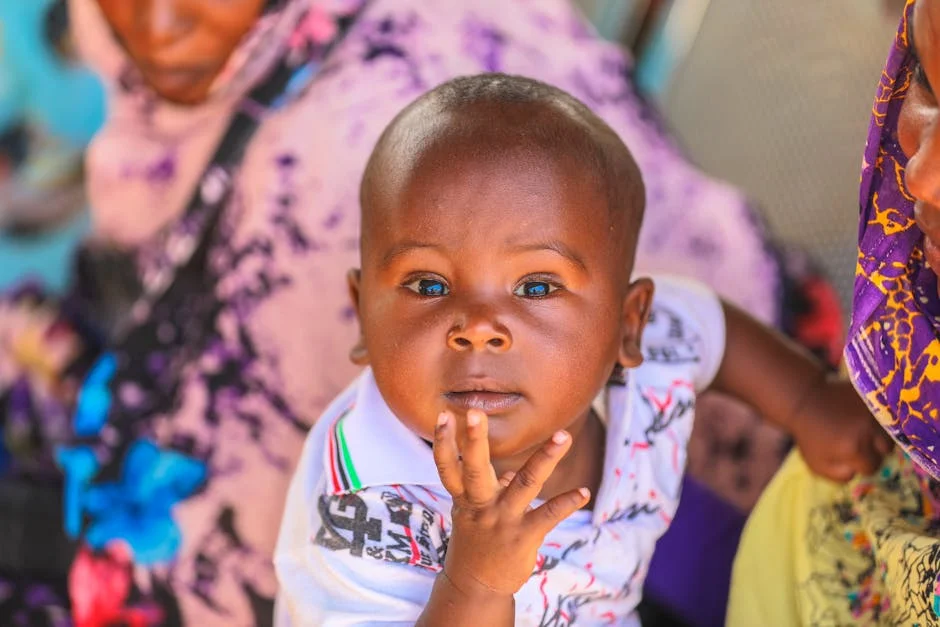
As fighting continues, thousands of families have been forced to flee their homes in search of safety. The United Nations estimates that more than 1.5 million people have been displaced within Sudan, exacerbating the burden on neighbouring regions. Communities that once thrived are now grappling with the influx of displaced persons, straining resources and social cohesion.
Local Economy Crippled by Ongoing Violence
The conflict has severely impacted Sudan's local economy, with businesses closing and unemployment rates soaring. Many entrepreneurs have lost their livelihoods, while foreign investment has largely dried up due to the instability. This economic downturn not only affects those directly involved in commerce but also has a ripple effect on everyday citizens who rely on these businesses for jobs and services.
Community Responses: Solidarity Amidst Crisis
In the face of adversity, local communities are banding together to provide support for those affected by the conflict. Grassroots organisations have been mobilising to deliver food, medical aid, and shelter to displaced families. This spirit of solidarity is crucial for survival, as many government services and aid organisations are unable to operate effectively due to the volatile security situation.
The Broader Implications for Sudan and Beyond
The conflict in Sudan is not just a local issue; it has wider implications for regional stability and international relations. As violence escalates, the potential for spillover into neighbouring countries increases, raising concerns about the impact on trade routes and security. Furthermore, the humanitarian crisis may prompt a larger international response, which could lead to interventions that may or may not align with the interests of local populations.
As the situation in Sudan continues to unfold, citizens and communities are left to navigate the complexities of a protracted conflict. The immediate consequences are dire, but the long-term effects could reshape the region for generations. Residents of India and other countries should pay attention to how developments in Sudan can impact global dynamics, including trade and migration, as the crisis continues to evolve.