Khalifa Haftar, the controversial military leader, continues to exert his influence over Libya, raising concerns about the implications for European nations. As Haftar consolidates power, the stability of the region hangs in the balance, affecting local citizens and communities profoundly.
Haftar's Grip on Libya Tightens
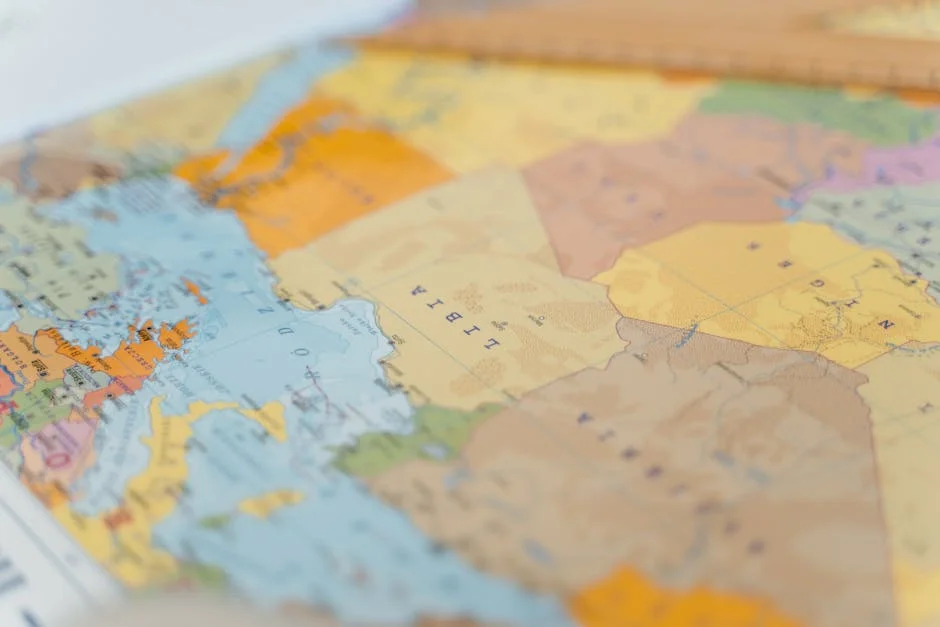
In recent months, Khalifa Haftar has made significant strides in reinforcing his grip on Libya, particularly in the eastern regions where his influence is strongest. Armed clashes between rival factions have diminished, allowing Haftar's Libyan National Army (LNA) to extend control over key territories, including vital oil fields. Observers noted that this consolidation of power began after the ceasefire agreement in 2020, but recent developments indicate a potential move towards further centralisation of authority.
The Local Impact: Citizens Caught in the Crossfire
For the ordinary Libyan, the ongoing power struggle has resulted in a complex blend of hope and despair. While some citizens welcome the perceived stability offered by Haftar’s leadership, others fear his authoritarian tactics. The local economy remains fragile, with many communities relying on oil revenues that are now under Haftar's control. According to local sources, unemployment rates have soared, and essential services such as healthcare and education are severely underfunded, leading to significant social unrest.
Europe's Stake in Libyan Stability
Europe's interest in Libya goes beyond humanitarian concerns; it encompasses geopolitical stability and economic interests. As the European Union grapples with migration issues and energy security, Libya's role as a gateway for migrants heading to Europe cannot be overlooked. With Haftar at the helm, European nations face a dilemma: engage with a leader whose legitimacy is contested while also managing migration flows and ensuring energy supplies from Libyan oil fields.
How Europe Responds: Diplomatic Maneuvers and Economic Interests
European leaders are currently weighing their options, balancing the need for stability in Libya against the problematic nature of Haftar's rule. Recent diplomatic efforts have focused on establishing a dialogue with Haftar while simultaneously supporting rival factions to promote a more inclusive governance structure. However, this approach is fraught with challenges, as it risks alienating significant portions of the Libyan population who oppose Haftar’s military-centric governance.
The Future of Power in Libya: What Lies Ahead?
The ongoing power dynamics in Libya under Khalifa Haftar will continue to shape the region's future and its relationship with Europe. Citizens are left to navigate a landscape marred by conflict, economic instability, and political uncertainty. As Europe contemplates its role in this complex scenario, the stakes for local communities in Libya remain high. The world will be watching closely to see how these developments unfold and what it means for the broader European landscape.