Israeli airstrikes targeting Hezbollah positions in Beirut have led to the displacement of thousands of residents, escalating tensions in Lebanon as the conflict continues to unfold. The strikes, which occurred late on Tuesday, are part of a broader military campaign amid regional unrest and concerns over Hezbollah's growing influence.
Devastating Impact on Beirut's Residents
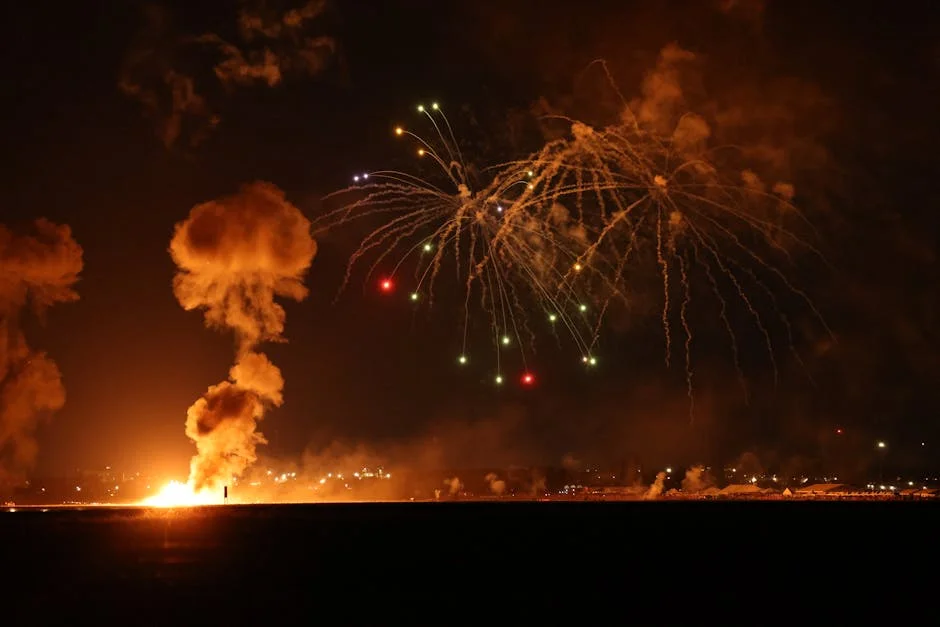
In the early hours of Wednesday, Israeli fighter jets launched multiple strikes on the southern suburbs of Beirut, an area known for its strong Hezbollah presence. Eyewitnesses reported significant explosions, causing widespread panic and chaos among the local population. Many families fled their homes, seeking refuge in safer areas of the city as the situation deteriorated.

The Lebanese Red Cross reported that over 5,000 people have been displaced due to the airstrikes, with emergency services struggling to accommodate the growing number of evacuees. Local shelters are quickly filling up, and humanitarian aid is urgently needed to support those affected.
Economic Fallout and Community Response
The escalation of violence is not only a humanitarian crisis but is also poised to have severe implications for Lebanon's already fragile economy. The country has been grappling with a severe economic downturn, and the recent military action is expected to exacerbate existing issues, including soaring inflation and high unemployment rates.
Local business owners are particularly concerned about the impact on commerce. Many small shops and markets in the affected areas have closed due to damage and fear of further attacks, leading to significant losses. Community leaders are calling for increased support from international organisations to help businesses recover and assist displaced families.
Regional Tensions and Public Sentiment
The strikes further complicate an already volatile situation in the Middle East, where various factions are engaged in a complex web of alliances and conflicts. Many Lebanese citizens feel trapped between the ongoing clashes and the repercussions of international politics, with a growing sense of frustration regarding their government’s inability to protect its citizens.
Public sentiment is mixed; while some view Hezbollah’s actions as a necessary form of resistance against external threats, others believe that the group’s military posture puts civilians at risk. Demonstrations have erupted in Beirut, with protesters demanding an end to hostilities and a focus on addressing the country’s socio-economic woes.
What Lies Ahead for Lebanon?
The aftermath of these airstrikes will likely see increased scrutiny of both Hezbollah's military strategies and Israel's approach to security. Many are questioning how Lebanon's political landscape will shift in response to this latest round of violence, especially with upcoming parliamentary elections on the horizon.
Analysts suggest that the current situation could lead to further destabilisation, with potential ramifications for Lebanese citizens who are already suffering from a lack of basic services and security. The international community's response will also be crucial in determining how Lebanon navigates the coming weeks and months.
Conclusion: A Call for Solidarity and Support
The unfolding crisis in Beirut highlights the urgent need for solidarity and support for the Lebanese people. As thousands remain displaced and the economy falters, community resilience will be tested. Local and global efforts to provide humanitarian aid and restore stability could prove vital in helping Lebanon recover from this latest round of violence.