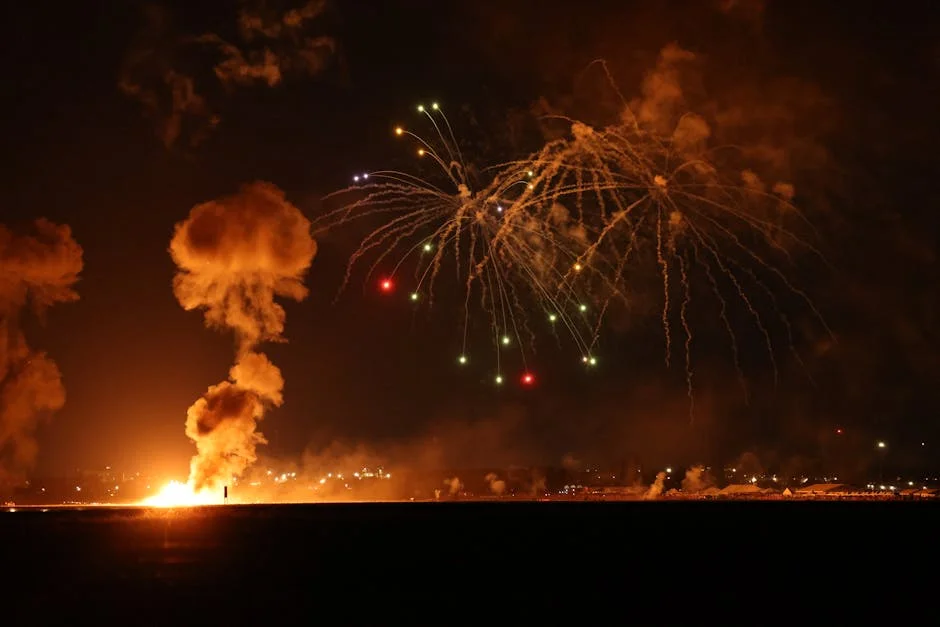
Israeli airstrikes in Lebanon have claimed 41 lives as of this week, escalating tensions between the two nations and posing significant risks to local communities. The attacks, which occurred during the night, have prompted widespread condemnation and fears of further violence in the region.
Casualties and Damage: The Human Cost of Conflict
Reports indicate that the airstrikes targeted several locations within Lebanon, resulting in 41 confirmed deaths, including women and children. The strikes have also caused extensive damage to infrastructure, leaving many residents without access to basic necessities such as water and electricity. Local hospitals are overwhelmed with casualties, and medical teams are struggling to provide adequate care amidst the chaos.

Historical Context: A Longstanding Conflict
This recent escalation is rooted in decades of conflict between Israel and various factions within Lebanon, particularly Hezbollah. The ongoing political instability in Lebanon, compounded by an economic crisis, has left many citizens vulnerable and exacerbated the humanitarian situation. The airstrikes are a stark reminder of the fragility of peace in the region, and they raise concerns over how these developments will affect daily life for Lebanese citizens.
Local Response: Community Resilience Amidst Turmoil
In the wake of the airstrikes, local communities have rallied together to support affected families. Grassroots organisations are mobilising to provide food, shelter, and medical assistance to those impacted by the violence. Residents express a mixture of anger and despair, calling for international intervention to halt the cycle of violence and protect innocent lives. The local response underscores the resilience of communities that continue to face adversity.
What’s Next? Implications for Regional Stability
The international community is closely monitoring the situation, with calls for a ceasefire and diplomatic dialogue growing louder. As tensions escalate, the potential for further violence remains high, which could lead to a wider regional conflict involving neighbouring countries. For citizens in both Israel and Lebanon, the immediate implications could include increased military presence and further disruptions to daily life. Observers are urging for peace talks to prevent an all-out war, emphasising that the situation demands urgent attention to safeguard the lives of civilians.
Why This Matters: The Broader Implications for India and Beyond
The situation in Lebanon is not only a regional concern but also has implications for global stability, including India. As nations grapple with the repercussions of conflict, rising oil prices and economic instability could affect markets worldwide, including in India. Understanding these developments is crucial for Indian citizens as they navigate the complexities of international relations and their potential impact on local economies.