As the conflict in the Middle East enters its seventh day, Iran has hinted at the deployment of 'unseen' weapons, signalling a dangerous escalation. The announcement comes amid intensified airstrikes by the US and Israel, raising fears for civilians in the region.
Iran’s Stark Warning: A New Level of Conflict
On Tuesday, Iranian Supreme Leader Ayatollah Ali Khamenei warned adversaries to 'Expect painful blows' as the military conflict intensifies. This statement underscores a shift in Iran’s posture amidst ongoing Israeli airstrikes, which have reportedly increased in frequency since the outbreak of violence.
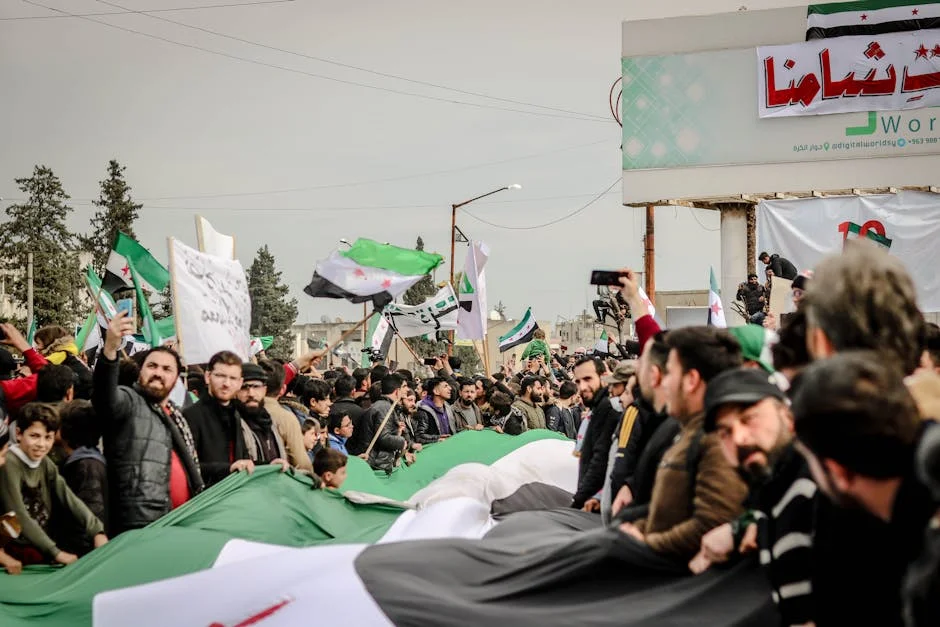
The Iranian leadership’s reference to 'unseen' weapons suggests a potential escalation that could involve advanced military technology or strategies not previously disclosed. This marks a significant pivot in Iran's military rhetoric, potentially affecting geopolitical dynamics significantly.
Impact on Daily Life in Conflict Zones
The ongoing conflict has dire implications for citizens across the region. Communities in Israel face the immediate threat of missile attacks, with many residents being urged to take shelter. In Iran, heightened military readiness and a more aggressive foreign policy can lead to increased repression at home, as the government seeks to consolidate support during a time of crisis.
The psychological toll on families in both countries is substantial. Constant alerts and the threat of violence disrupt everyday life, instilling fear and uncertainty in communities. Schools are closing, businesses are suffering from reduced activity, and the healthcare system is under additional strain from the conflict.
Economic Consequences of Escalating Tensions
The intensified military actions have already begun to ripple through the local economies. In Israel, the tourism sector, already vulnerable from previous conflicts, is likely to suffer further. Hotels and restaurants are seeing cancellations as the situation deteriorates, threatening jobs and livelihoods in a sector that is vital for many families.
Conversely, Iran may attempt to leverage its military actions to consolidate power internally, but this could exacerbate economic challenges, particularly as sanctions and international isolation remain potent threats. The Iranian economy, already struggling with inflation and unemployment, faces further deterioration if the conflict prolongs.
Community Response: Solidarity and Fear
Local communities are responding in various ways. In Israel, citizens are banding together to support one another, sharing resources and information to cope with the ongoing crisis. Grassroots initiatives are emerging, aimed at providing psychological support to those affected by the violence.
In Iran, public sentiment is more complex. While the government may seek to rally nationalistic fervour against foreign adversaries, many citizens express anxiety about the implications of deeper military engagement. Protests against the regime’s handling of the economy and foreign policy could emerge, further complicating the landscape.
What to Watch for Next: Potential Developments
As the situation unfolds, observers should closely monitor any new military developments from Iran, particularly concerning the deployment of advanced weaponry. Diplomatic efforts, if any, from international actors will also be crucial in determining the trajectory of the conflict.
The potential for a wider regional conflict looms large, with implications not only for Iran and Israel but also for neighbouring countries and global powers involved in Middle Eastern politics. The ongoing violence and uncertainty underline why the Middle East matters profoundly not just to its inhabitants but to global stability as well.