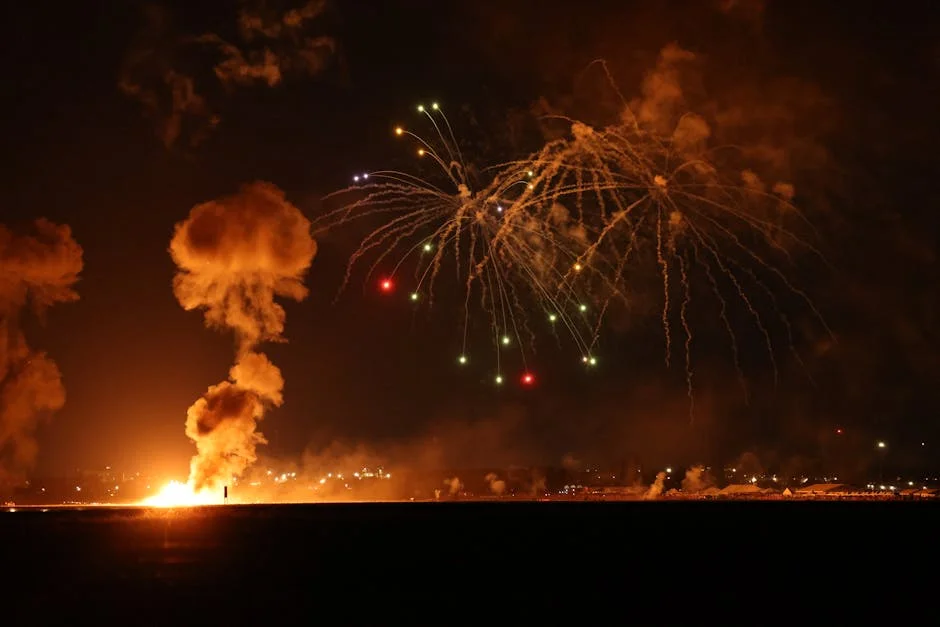
In a surprising move, Iran has announced a suspension of attacks against neighbouring countries while firmly refusing to surrender to external pressures. This decision, made public on Friday, has significant implications for regional stability, particularly in relation to Israel and ongoing tensions in the Middle East.
Iran's Strategic Shift in Military Actions
On Friday, Iranian officials declared a temporary halt to military operations targeting neighbouring nations. This announcement came in the wake of escalating conflicts that have raised concerns about a broader regional war. Iran's leadership has maintained its stance against foreign intervention, especially in the context of its ongoing tensions with Israel.
Impact on Local Communities in Israel
The decision to suspend attacks may provide a brief respite for citizens in Israel, who have faced heightened security alerts due to Iran's military actions. Residents in border towns, particularly those near the Golan Heights, have expressed relief at the news, hoping it signals the chance for stability. However, many remain cautious, as the underlying tensions have not disappeared.
Broader Implications for the Middle East
Experts argue that while Iran's suspension of attacks might be a tactical retreat, it does not signify a change in its long-term ambitions. The Iranian government continues to assert its influence in the region through proxy groups, which still pose threats to Israel and its allies. This complex dynamic raises questions about the durability of the ceasefire and the potential for future escalations.
Community Responses and Concerns
In Israel, citizens are actively discussing the implications of this development on social media platforms, reflecting a mix of hope and uncertainty. Local leaders have called for heightened vigilance, emphasising the need for community preparedness despite the temporary halt in hostilities. The situation remains fluid, and many are concerned about the long-term effects on local economies, particularly in areas reliant on tourism and cross-border trade.
What’s Next? Monitoring Future Developments
As Iran's government navigates this complex geopolitical landscape, citizens and communities in Israel and surrounding regions will be closely monitoring any shifts in military strategy. The situation remains precarious, with potential for both de-escalation and renewed conflict. Analysts urge the public to stay informed about developments, as the implications of Iran's actions directly affect the lives and safety of people in the region.