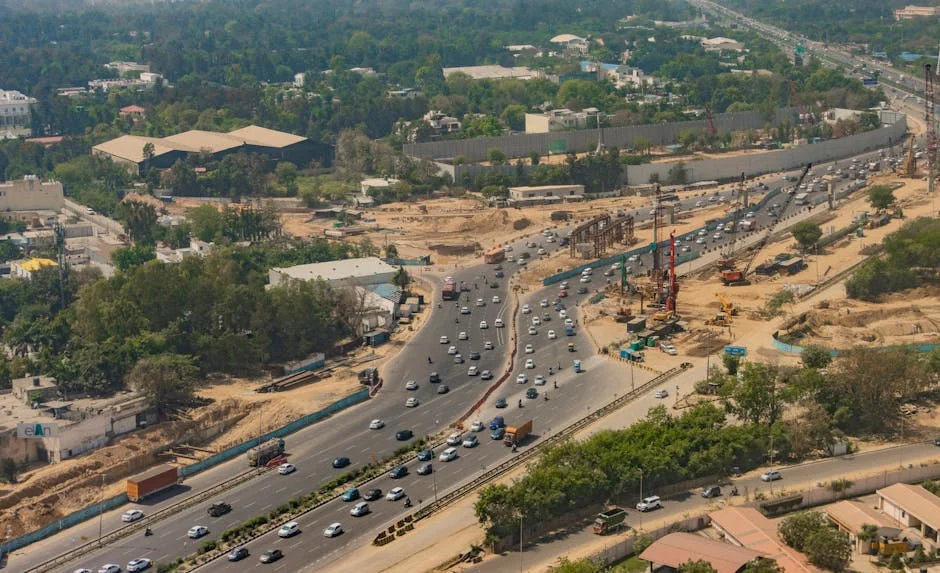
On Tuesday, the Indian government announced a comprehensive transportation strategy aimed at modernising infrastructure across the country, with significant implications for daily commutes and local economies. This initiative is designed to enhance connectivity, reduce travel times, and bolster economic growth in urban and rural areas alike.
Investment in Infrastructure Enhancements
The new strategy will see an investment of ₹5 trillion over the next five years. This funding will focus on upgrading existing road networks, expanding rail services, and improving public transport systems in major cities. Minister of Transport, Nitin Gadkari, stated, "This plan will revolutionise how we travel, making it safer and more efficient for all citizens." The government aims to complete these upgrades by 2028, aiming for a system that caters to the needs of a rapidly growing population.

Impact on Local Economies and Daily Life
For citizens in India, particularly in urban areas, the improvements in transportation infrastructure promise to alleviate daily congestion and reduce commute times significantly. In cities like Mumbai and Delhi, where traffic jams are a daily struggle, citizens can expect to see more reliable public transport options, thus enhancing their quality of life. Local businesses are also set to benefit, as improved connectivity is likely to boost foot traffic and make it easier for goods to reach markets.
Community Responses and Concerns
Community leaders have applauded the initiative, highlighting its potential to create jobs and improve access to essential services. However, there are concerns regarding the environmental impact of such extensive infrastructure projects. Activists warn that increased construction could lead to greater pollution and displacement of local communities. A spokesperson from the environmental group, Green Future, remarked, "While we support better transportation, it should not come at the cost of our environment and livelihoods. We urge the government to adopt sustainable practices in this plan."
Long-Term Consequences for Citizens
The long-term consequences of this transportation strategy could reshape urban planning and community development across India. As enhanced connectivity makes regions more accessible, it may also lead to increased property values and attract new investments. However, this could also raise concerns about gentrification in historically underprivileged areas, where long-time residents may find themselves priced out of their neighbourhoods.
What to Watch for Next
As the government begins to implement this strategy, citizens should keep an eye on local consultations and planning meetings to voice their concerns and preferences. The success of the transportation strategy will depend not only on government investment but also on active community engagement to ensure that the benefits are equitably shared. With public opinion shaping the future of this project, the next few months will be critical in determining how these plans unfold and their ultimate impact on daily life in India.