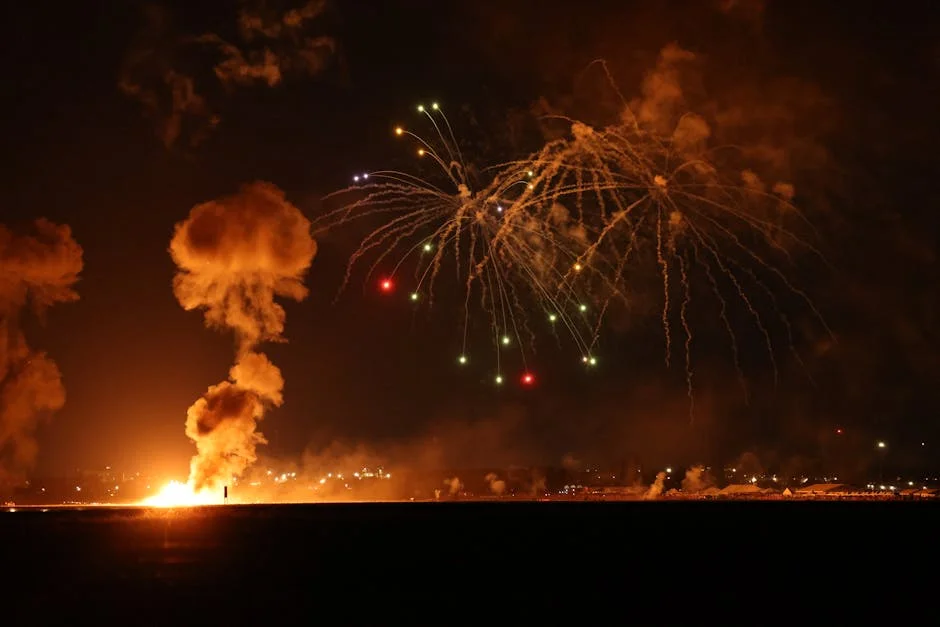
At least four crew members were killed in a recent attack on a tugboat in the Strait of Ormuz, heightening concerns over maritime safety in one of the world's busiest shipping lanes. The incident occurred on Tuesday, with reports indicating that the attack was likely carried out by unidentified armed groups. This tragic event underscores the ongoing instability in the region and raises alarms about the implications for local communities and economies dependent on maritime trade.
Impact on Local Residents and Economy
The Strait of Ormuz is a vital artery for global oil shipments, with nearly a fifth of the world's oil passing through its waters. In nearby coastal communities, the attack has created an atmosphere of fear and uncertainty. Local fishermen and traders are particularly anxious about increased naval threats that could disrupt their daily operations. “We rely on the sea for our livelihood, and incidents like this make it harder to work,” said Ahmed, a fisherman from a nearby village.

Why Ormuz Matters: A Critical Trade Route
The Strait of Ormuz is not only crucial for oil transport but also for trade in goods and services across the region. The recent attack raises questions about the safety and security of this key shipping route. With tensions escalating, the concern for local businesses is palpable. Many rely on a steady flow of goods, and any disruption in maritime traffic could lead to higher prices and shortages. “If the situation worsens, we might have to consider alternative routes, which could be more expensive,” added Fatima, a local shop owner.
Security Measures Under Scrutiny
In light of the attack, there are growing calls for increased security measures in the Strait. Maritime security analysts are urging regional governments to bolster their naval presence to deter further attacks. However, the effectiveness of such measures remains to be seen. Local residents are questioning whether their governments can adequately protect them in the face of growing maritime threats. “We need assurances that we can work safely,” expressed Tariq, a local merchant.
Community Response and Future Implications
The community's response has been one of solidarity, with many coming together to support the families of the victims. Local leaders are also advocating for greater attention from national authorities to address the security concerns that have emerged in the wake of the attack. The implications of this incident extend beyond immediate security issues; they may affect long-term economic stability in the region. As tensions rise, local economies could struggle to adapt if maritime security does not improve. “Our future depends on safe waters; we cannot afford to lose this,” concluded Ahmed.
What to Watch for Next
In the coming days, observers will be keeping a close eye on government responses and potential foreign interventions. The international community's involvement could significantly impact the region's stability and safety. As citizens of Ormuz grapple with the aftermath of this attack, the need for effective solutions has never been more urgent. Any escalation of violence could lead to a further decline in economic conditions for local communities, making it imperative that swift action is taken to restore peace and security in the Strait.