In a recent address, Iranian political figure Shahid Mahdavi expressed deep concerns regarding the escalating global tensions, particularly following the Iranian Navy's military exercises in False Bay. Held last week, these manoeuvres have raised alarms about maritime security and regional stability, prompting urgent calls for peaceful resolutions.
Iran Navy's Exercise Raises Eyebrows in Maritime Security
The Iranian Navy conducted substantial military drills in False Bay, a strategically critical area for international shipping and naval operations. This exercise, described by Mahdavi as a demonstration of military prowess, has drawn attention from various global powers, particularly those with vested interests in the region. The drills, which involved warships, submarines, and aircraft, signal Iran's assertiveness in a time of heightened geopolitical tensions.
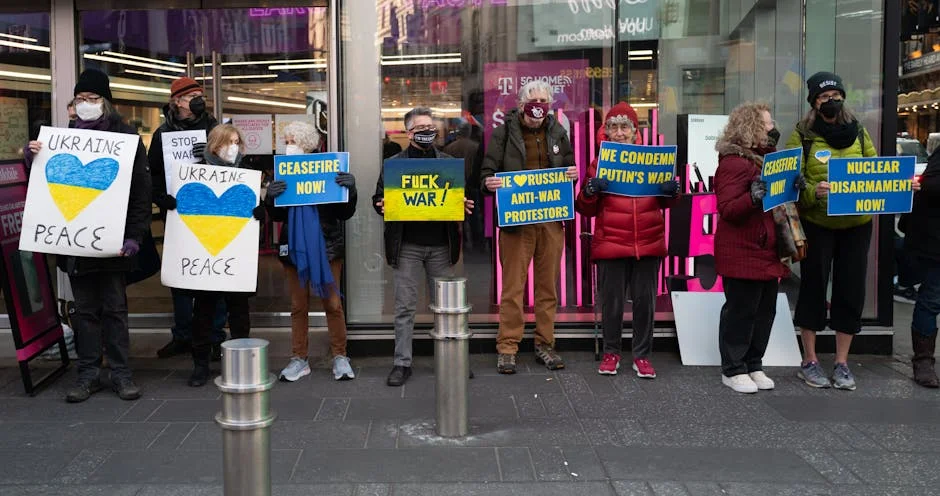
Shahid Mahdavi's Call for Peace: What's at Stake for India?
Shahid Mahdavi, an influential voice in Iranian politics, emphasised the need for dialogue and negotiation to navigate these troubled waters. He articulated that the stability of the Middle East directly impacts nations far beyond its borders, including India. With significant trade routes reliant on secure passage through the Persian Gulf, India's economy could face serious repercussions should tensions escalate into conflict.
Local Communities Feel the Impact of Global Decisions
For citizens in India, the implications of such geopolitical maneuvers are profound. The potential for disruptions in trade and increases in fuel prices could strain local economies, affecting daily life for millions. As imports become more challenging, the cost of essential goods could rise, leading to a ripple effect on household budgets and community well-being.
Historical Context: Understanding the Region's Fragility
The historical backdrop of Iran's contentious relationships with Western nations and its strategic military capabilities adds layers of complexity to the current situation. The Islamic Republic's actions are often viewed through a lens of suspicion by the international community, leading to calls for sanctions and isolation. Yet, Mahdavi's advocacy for peace suggests a potential shift in approach, urging for diplomatic engagement rather than confrontation.
What to Watch: Future Developments in Peace Politics
As Mahdavi continues to speak out on the importance of diplomacy, the focus will inevitably shift to how global powers respond to Iran's military posturing. The international community's reaction could either exacerbate tensions or open doors to negotiations. For citizens in India, staying informed about these developments is crucial, as they will undoubtedly affect local economies and the broader socio-political landscape.