Pakistan's covert nuclear ambitions were unveiled in a recent opinion piece, raising alarms about regional security dynamics. This development not only highlights Pakistan's strategic positioning but also poses direct implications for its neighbours, particularly India and Iran, as tensions in South Asia deepen.
The Unfolding of Pakistan's Nuclear Journey
For decades, Pakistan has been a focal point of geopolitical intrigue, with its nuclear programme shrouded in secrecy. The nation officially became a nuclear power in 1998 after conducting successful tests, but the intricacies of its development remain largely undisclosed. Recent analyses suggest that Pakistan's nuclear capabilities were established under a veil of secrecy, raising questions about the extent of its arsenal and the motivations behind its nuclear strategy.
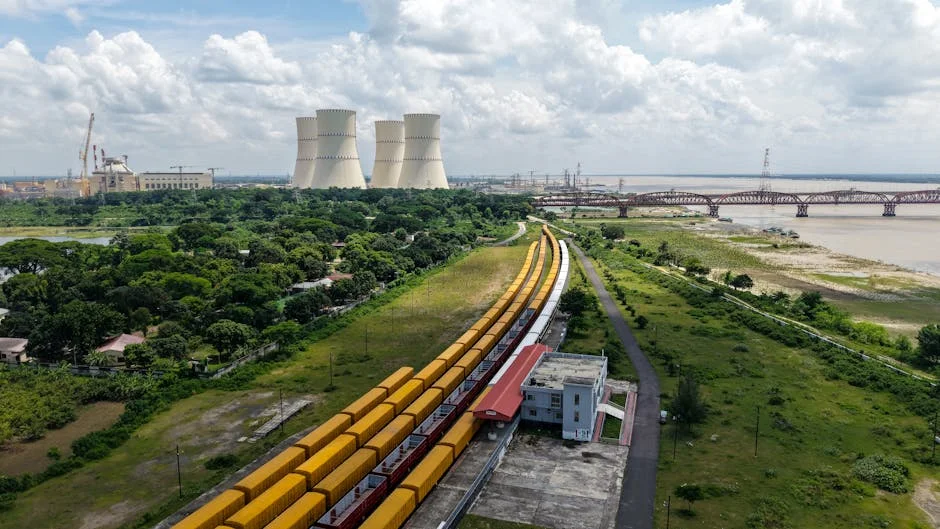
Regional Repercussions: How It Affects Citizens
The ramifications of Pakistan's nuclear developments extend beyond military posturing—affecting the daily lives of citizens in South Asia, particularly in India. The rise of nuclear capabilities has intensified regional tensions, leading to increased defence spending and diverting crucial resources away from social services. For communities in border areas, this translates to heightened insecurity and anxiety as the potential for conflict looms larger.
India's Response: Economic and Social Implications
As Pakistan fortifies its nuclear stance, India faces pressing questions about its own security and response strategies. The Indian government may feel compelled to accelerate its defence initiatives, thereby impacting its economic allocations. This shift could mean less funding for education and healthcare, directly affecting the well-being of citizens. Furthermore, the perception of a nuclear-armed neighbour could instigate a societal divide, stirring nationalistic sentiments and potentially leading to unrest.
Iran's Position: A Calculated Watch
Iran, observing Pakistan's nuclear trajectory, finds itself at a crossroads. The Islamic Republic has long aspired to develop its own nuclear capabilities, which complicates the geopolitical landscape. Should Iran perceive Pakistan as a nuclear threat, it may accelerate its ambitions, creating a nuclear domino effect in the region. This scenario could heighten tensions and impact local communities, leading to a regional arms race that destabilises the fragile peace in South Asia.
The Path Forward: Community Engagement and Awareness
In light of these developments, local communities must remain informed and engaged. Civil society can play a pivotal role in advocating for peace and dialogue, mitigating the risks associated with nuclear escalation. Community leaders and organisations should promote discussions on disarmament and conflict resolution, fostering a culture of understanding that transcends national boundaries.
As citizens navigate the complexities of these geopolitical shifts, awareness and proactive engagement will be crucial in shaping a stable future for the region. Understanding how these developments affect daily life and community dynamics will empower residents to advocate for their security and well-being.