The escalating conflict between the US and Israel against Iran has drawn fierce condemnation from nations across the Global South, igniting fears of wider instability in the Middle East. On October 15, 2023, multiple leaders from countries including China and various Arab states voiced their concerns over what they describe as imperialist undertones in this military engagement.
Global Leaders Unite Against Military Actions
In a series of statements, diplomats and leaders from Global South countries expressed their disapproval of the US-Israel partnership in military operations targeting Iran. During a summit in Beijing, Chinese President Xi Jinping underscored the need for a united front against what he termed as “unilateral aggression” that threatens to destabilise the entire region. This response reflects a growing consensus among nations wary of Western influence in global affairs.

Impact on Daily Lives in the Middle East
For citizens in the Middle East, the repercussions of this conflict are immediate and tangible. Local economies, already strained by previous conflicts and sanctions, are now facing new threats of instability. Many residents fear that military actions could lead to increased violence, displacement, and a humanitarian crisis, exacerbating existing challenges such as food insecurity and health care access.
Social Response and Community Solidarity
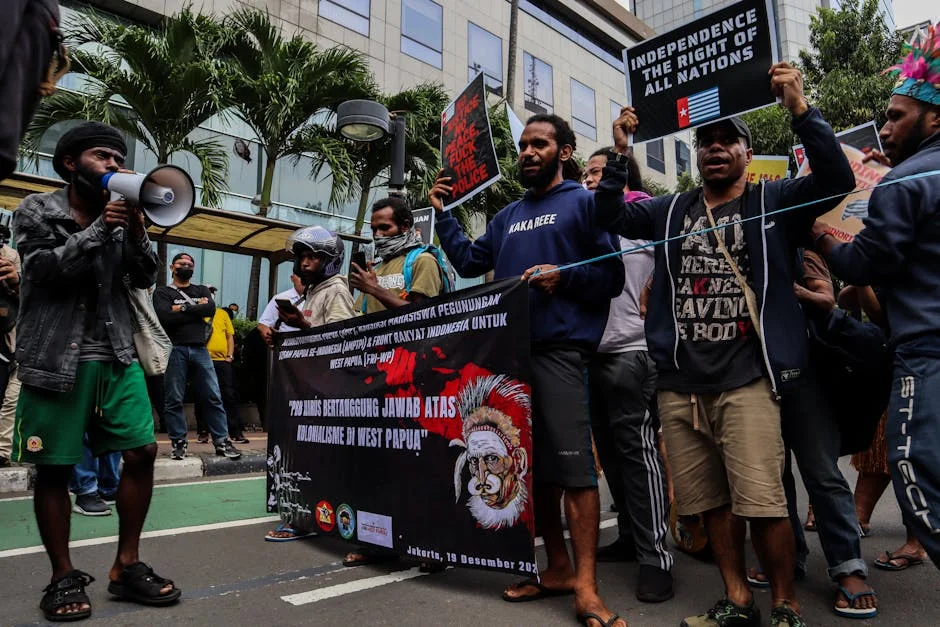
The social fabric of communities throughout the Middle East is being tested as citizens react to the escalating tensions. Protests have erupted in several cities, with demonstrators calling for peace and solidarity against foreign military interventions. Social media campaigns are also spreading awareness, urging citizens to unite against imperialist policies that they believe disregard local voices and needs.
Historical Context: A Pattern of Intervention
This recent escalation is not an isolated incident; it is part of a broader historical pattern of Western intervention in the Middle East. Many analysts argue that the current situation echoes past conflicts, such as the Iraq War, where similar claims of aggression were made. This history shapes public perception and significantly influences how communities respond to ongoing military threats.
What’s Next: The Need for Vigilance
With the situation developing rapidly, residents of the Middle East must remain vigilant. Local leaders and organisations are calling for diplomatic solutions to prevent further escalation. As the Global South rallies against perceived imperialist actions, the pathway towards peace hinges on international dialogue and respect for sovereignty. Citizens are encouraged to stay informed about these developments as they unfold, understanding their potential impact on daily life.