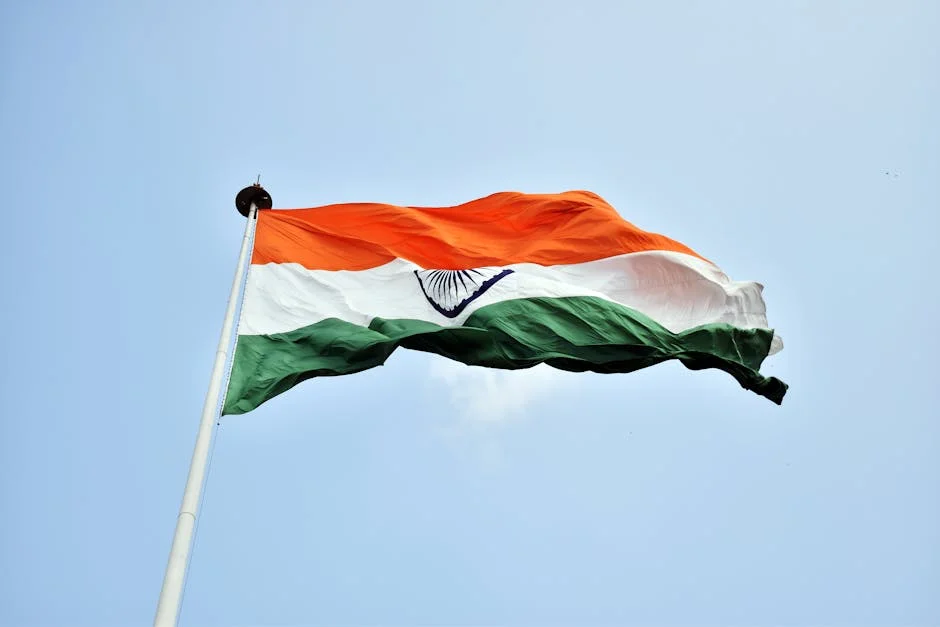
The Bharatiya Janata Party (BJP) has hailed a significant achievement in Prime Minister Narendra Modi's oil diplomacy, with the announcement of a 30-day waiver allowing Indian companies to purchase Russian oil. This development comes amid escalating geopolitical tensions and rising global oil prices, raising questions about its impact on local communities across India.
How the Waiver Affects Local Economies
The 30-day waiver allows Indian oil companies to secure Russian crude oil without facing penalties, a move that is expected to stabilise fuel prices for consumers in the short term. The Indian government has been under pressure to manage rising inflation, particularly as the price of crude oil has surged globally due to ongoing conflicts and supply chain disruptions.

Local economies, particularly those dependent on transportation and agriculture, stand to benefit from a potential decrease in fuel costs. Rural areas, where farmers rely heavily on diesel for machinery, could see a relief in operational expenses, allowing them to maintain profitability in a challenging economic environment.
Political Reactions: BJP vs. Congress
The BJP has been quick to laud this diplomatic success as a testament to Modi's leadership, framing it as a significant win for national interests. However, the Congress party has issued statements questioning the ethical implications of relying on Russian oil amidst international sanctions and human rights concerns.
Congress leaders argue that such a move undermines India's commitment to global norms and could have long-term repercussions for India's image on the international stage. They assert that it is crucial for the government to ensure that its actions align with democratic values, especially as communities grapple with the socio-economic impacts of such decisions.
What This Means for Citizens
For the average citizen, the waiver could mean a temporary respite from soaring fuel prices, which have a domino effect on everyday expenses. Reduced transport costs may lead to lower prices for essential goods, benefiting households across urban and rural settings alike. However, the long-term implications remain uncertain, as dependence on Russian oil could lead to vulnerability in future geopolitical disruptions.
Community response has been mixed. While many welcome the prospect of reduced fuel prices, others express concerns about the moral implications of sourcing oil from a country facing international condemnation.
Looking Ahead: What to Watch For
As the 30-day waiver unfolds, citizens and local businesses in India will be closely monitoring fluctuations in fuel prices. Additionally, the political landscape may shift as the opposition seizes the opportunity to challenge the government's foreign policy decisions. Upcoming debates in parliament will likely focus on the implications of this oil diplomacy and its alignment with India's broader foreign policy goals.
In summary, while the BJP celebrates this diplomatic success, the ramifications for local communities and the economy warrant careful consideration. The balance between immediate economic relief and ethical foreign policy remains a critical discussion point for Indian citizens.