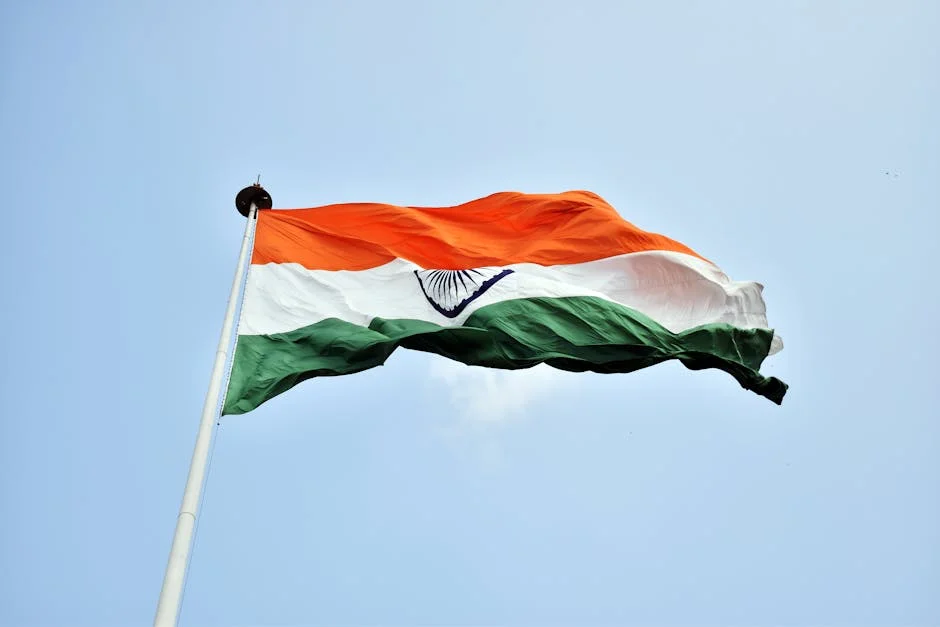
India is closely monitoring the election results in Nepal amid rising political tensions, particularly following the surge of popular candidate Balen Shah. The elections took place on November 20, 2023, and their outcomes could significantly influence regional dynamics and bilateral relations.
Balen Shah's Popularity: A Game Changer in Nepal
Balen Shah, a former rapper, has taken Nepal's political landscape by storm, emerging as a formidable contender in the recent local elections. His party, the Youth Progressive Party, has attracted a wide base of support, particularly among younger voters eager for change. Shah's rise has not only generated excitement within Nepal but has also caught the attention of neighbouring India, which has historically viewed itself as a significant influence in Nepali politics.

Why India Is Paying Close Attention
India's concern stems from its longstanding position as Nepal's largest trading partner and its influence on the nation's political stability. The emergence of a new political force, especially one that challenges traditional power structures, could have far-reaching implications for India-Nepal relations. Experts suggest that a shift in power dynamics could lead to changes in policy directions concerning trade, security, and even cultural ties.
Historical Context: The Big Brother Debate
The relationship between India and Nepal has often been described through the lens of the 'Big Brother' narrative, wherein India is perceived to exert significant influence over its smaller neighbour. This perception has fuelled nationalistic sentiments within Nepal. The rise of leaders like Balen Shah is seen as a pushback against this influence, prompting India to closely observe the electoral outcomes to gauge potential shifts in policy that could arise from a reconfiguration of power.
Local Impact: What This Means for Nepalese Citizens
The implications of the elections extend beyond politics. With Balen Shah's focus on youth engagement and progressive policies, citizens are hopeful for a change that addresses pressing local issues, such as unemployment, education reform, and infrastructure development. If his party gains significant power, it could lead to initiatives that directly benefit local communities, improving daily life for many Nepalese.
Potential Consequences for the Region
The outcome of the elections may lead to a re-evaluation of India’s approach to Nepal, particularly if a more nationalist or independent government takes office. Such a scenario could affect trade agreements and diplomatic relations, with potential repercussions for local economies in border areas where trade is a lifeline. Citizens in these regions could feel the impact of any shifts in policy that arise from the election results.
As the dust settles on the election results, the international community, particularly India, will be watching closely. The outcome could redefine the power dynamics in the region, affecting not only political relations but also the daily lives of citizens in both Nepal and India.