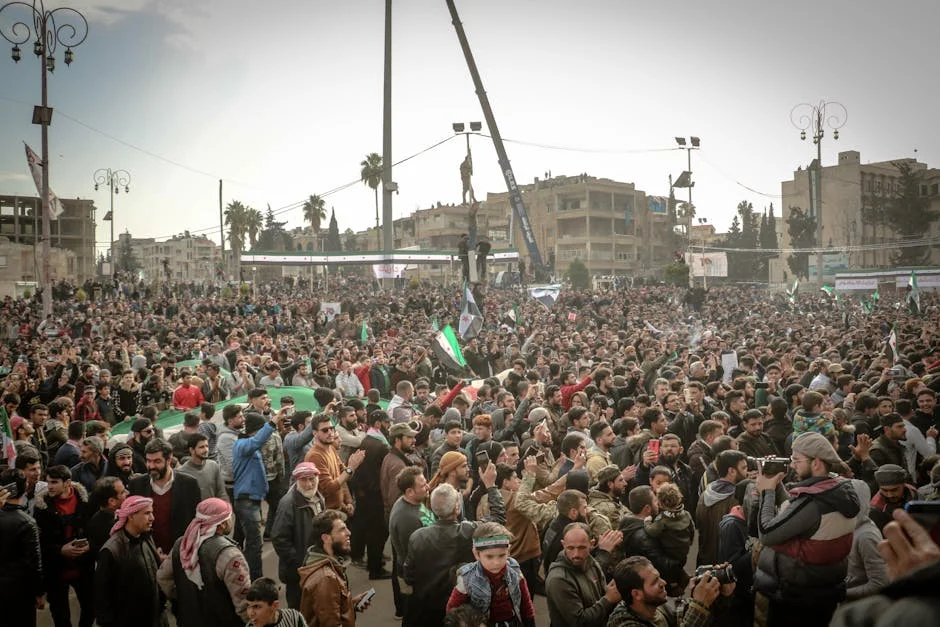
In March 2023, escalating tensions in the Middle East raised alarms regarding global trade routes, particularly the Cape Route. Analysts warn that the conflict could redefine maritime logistics, directly affecting communities and economies in India.
Rising Tensions in the Middle East
The ongoing conflict in the Middle East has reached a critical point, prompting concerns about trade disruptions. As military engagements intensify, the stability of key shipping lanes, notably the Cape Route around the southern tip of Africa, is under scrutiny. Analysts have noted that this route, vital for the transport of goods from Asia to Europe and beyond, could become the new normal for global trade if the situation escalates further.
Impact on Local Economies
The ramifications of these developments are particularly significant for Indian communities. The Cape Route is a crucial pathway for trade, with India relying heavily on imports that travel through these waters. A shift in trade routes could lead to increased shipping times and costs, impacting everything from consumer goods to raw materials essential for local manufacturing.
In cities like Mumbai and Chennai, where industries are reliant on timely imports, businesses could face severe disruptions. Local economies could suffer as increased freight costs translate to higher prices for consumers. Experts warn that small and medium enterprises, which form the backbone of the Indian economy, could be disproportionately affected.
Social Consequences for Citizens
In addition to economic implications, the social fabric of affected communities may also be at risk. If prices rise due to logistical challenges, citizens may find their purchasing power diminished, leading to increased hardship. This could result in heightened social unrest and demand for governmental intervention to protect citizens from the fallout of international conflicts.
Moreover, as communities grapple with the potential for a new normal in trade, public sentiment could shift towards greater scrutiny of international policies and their local impact. Citizens may begin to demand policies that prioritise local resilience against global uncertainties.
Community Response and Adaptation
In light of these challenges, community leaders and local businesses are already strategising to adapt to potential disruptions. Some are exploring alternative supply chains and trade routes that could mitigate the effects of the Cape Route's instability. Initiatives to boost local production and reduce reliance on imports are gaining traction, fostering a spirit of resilience among communities.
Furthermore, discussions around strengthening local industries and investing in infrastructure to support these shifts are becoming more prominent. These community-led efforts aim to not only cushion the impact of global trade disruptions but also to position local economies for sustainable growth in the long term.
What to Watch For Next
As the situation continues to evolve, Indian citizens should remain vigilant about developments in the Middle East and their implications for local trade. Economic indicators, such as freight costs and consumer prices, will be crucial to monitor in the coming months. Additionally, community responses to these shifts will play a vital role in shaping the resilience of local economies.
Ultimately, the tensions in the Middle East serve as a reminder of the interconnectedness of global trade and local economies. Understanding these dynamics will be essential for citizens and leaders alike as they navigate the challenges and opportunities that lie ahead.