The recent escalation of hostilities between the US and Israel on one side and Iran on the other has drawn sharp criticism from nations in the Global South. This condemnation highlights what many are calling 'imperialist undertones' in the ongoing conflict, which could have far-reaching implications for communities across the Middle East.
Rising Tensions: An Overview of the Conflict
The conflict intensified significantly last month when US military forces conducted airstrikes on Iranian targets, citing the need to respond to alleged provocations from Tehran. This action was swiftly followed by coordinated strikes from Israeli forces, further escalating the situation. The Global South, which includes countries in Latin America, Africa, and parts of Asia, has vehemently opposed these military actions, labelling them as attempts to impose Western hegemony in the region.
Imperialist Undertones: Voices from the Global South
In a series of statements, leaders from various Global South nations have expressed their disapproval of the US-Israeli alliance. For instance, the South African government has condemned the military aggression, calling it a violation of international law. Similarly, Brazil's President stated that the actions taken against Iran are reminiscent of colonial-era tactics, aimed at subjugating nations that refuse to conform to Western policies. These sentiments resonate deeply among citizens in these regions, who see parallels in their own struggles against external interference.
The Local Impact: How This Conflict Affects Communities in the Middle East
The conflict's ramifications extend beyond international politics; they directly affect the livelihoods of everyday citizens in the Middle East. In Iran, increased military tensions have led to a spike in fuel prices and a depreciation of the local currency, causing widespread economic distress. Citizens are now grappling with higher costs for basic goods and services, which has sparked protests across major cities.
Furthermore, the ongoing conflict has exacerbated existing tensions within the region, leading to fears of a wider war that could engulf neighbouring countries. Many communities are on high alert, concerned about potential military conscription and the safety of their families amidst escalating violence.
Economic Consequences: Impacts on Trade and Commerce
The geopolitical tensions have also led to disruptions in trade routes, affecting local economies that rely heavily on the movement of goods. For instance, shipping lanes in the Persian Gulf, vital for global oil transport, are now seen as potential conflict zones. This uncertainty has resulted in higher shipping costs, affecting everything from fuel prices to the cost of imported goods in countries like India, which depend on stable Middle Eastern oil supplies.
The ripple effect of these economic challenges is felt acutely in local markets, where business owners report declining sales as consumers tighten their belts in response to rising prices. As a result, the social fabric of communities is also under strain, with increased anxiety and unrest manifesting in various forms.
Community Response: Solidarity and Activism
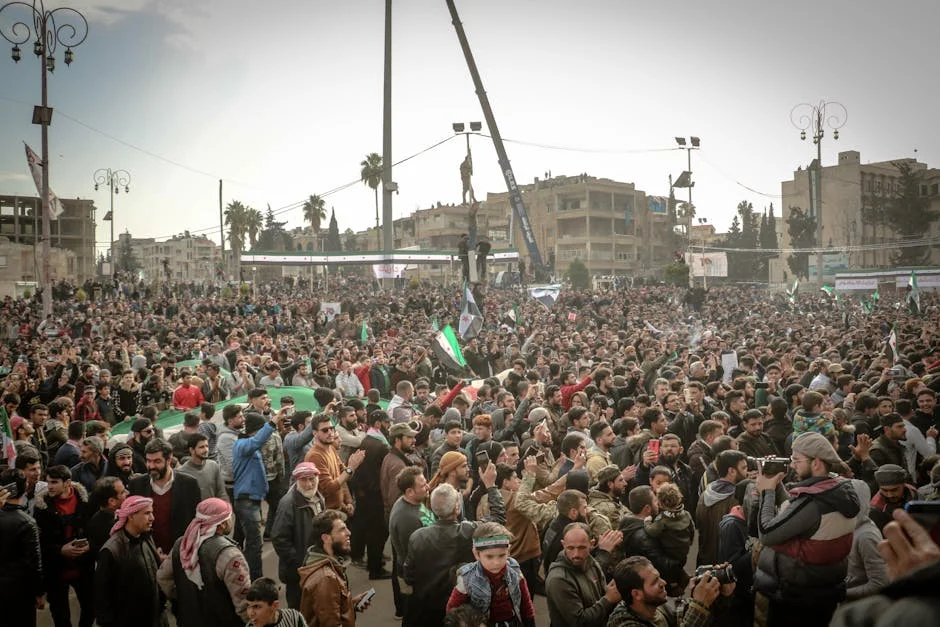
In response to the escalating conflict, community organisations across the Global South have mobilised to protest against the US-Israeli actions. Activists in cities like Mumbai and Johannesburg have organised rallies, calling for peace and solidarity with the Iranian people. Their message is clear: military aggression will not solve the issues at hand, and dialogue is the only way forward.
Local leaders emphasise the need for grassroots movements to challenge imperialist policies that threaten not only the stability of the Middle East but also the social and economic well-being of communities worldwide. As these movements gain momentum, they seek to raise awareness about the interconnectedness of global politics and local lives.
Looking Ahead: What to Watch For
As tensions continue to rise, citizens in the Middle East and beyond must remain vigilant. The potential for further military escalation looms large, and the humanitarian implications could be dire. In the coming weeks, it will be essential to monitor how international diplomatic efforts unfold, particularly regarding calls for de-escalation and peace initiatives.
Moreover, the response from countries in the Global South will be crucial in shaping the narrative around this conflict. Their collective voice may serve as a counterbalance to Western dominance in international relations, advocating for a more equitable approach to global politics. As this situation evolves, the stakes for local communities could not be higher.