In a significant move to protect marine resources, the City of Cape Town's Marine Unit has ramped up operations against illegal fishing activities along the West Coast. This initiative, which commenced in early October 2023, aims to safeguard both the local economy and the environment, engaging with community stakeholders to ensure sustainable practices.
Increased Patrols and Enforcement Actions
As part of this crackdown, the Marine Unit has increased its patrols in known hotspots for illegal fishing, deploying additional personnel and resources to monitor the waters effectively. The initiative is expected to deter illegal activities that threaten local fish populations, which are essential for both ecological balance and local livelihoods. According to the City’s spokesperson, “Our aim is to empower local communities while ensuring that our marine resources are used sustainably.”
The Impact on Local Fishing Communities
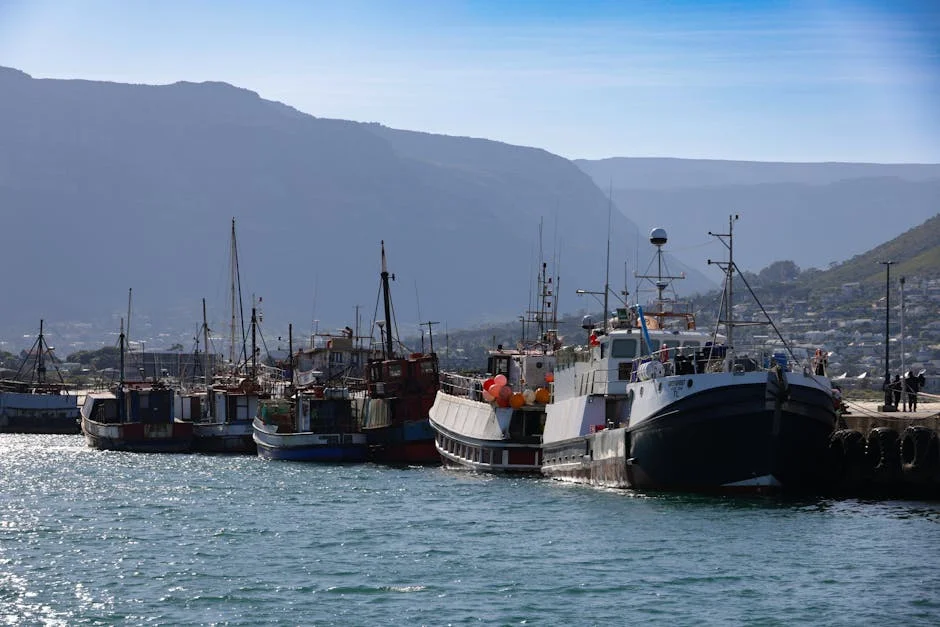
Illegal fishing has long been a concern for communities relying on the ocean for their livelihoods. According to a recent report, the local fishing sector contributes approximately ZAR 1.5 billion to the economy and supports over 50,000 jobs along the West Coast. Fishermen have voiced their concerns that illegal operations undermine their businesses and lead to dwindling fish stocks, ultimately threatening their way of life.
Local fisher groups have responded positively to the City’s increased enforcement actions, with many expressing hope that these measures will lead to a more sustainable fishing environment. “We have been asking for this for years. It gives us a chance to fish without fear of competition from illegal operators,” said a spokesperson from the Cape West Coast Fishing Association.
Community Engagement and Education Efforts
In addition to enforcement, the Marine Unit is also focusing on education and community engagement. Workshops are being conducted to inform local fishermen about sustainable practices and the importance of reporting illegal activities. These efforts aim to foster a collaborative environment where communities feel empowered to play a role in protecting their resources.
Community leader Mxolisi Ndaba remarked, “It’s crucial that we work together. The ocean is our lifeline, and we need to take care of it for future generations.”
Environmental Considerations and Marine Conservation
The City’s initiative also aligns with broader environmental conservation goals. Illegal fishing often involves destructive practices that can severely damage marine ecosystems. By addressing these issues, the Marine Unit is not only supporting local economies but also contributing to the preservation of biodiversity in the region.
Marine biologists have noted that sustainable fishing practices can lead to healthier fish stocks and more resilient marine habitats. This, in turn, supports the broader ecological health of the region, which benefits all citizens, from fishermen to those who rely on tourism.
What’s Next for Cape Town’s Marine Unit?
Looking ahead, the City of Cape Town has announced plans to expand the Marine Unit’s capabilities further, including the integration of technology for better monitoring and reporting. Residents are encouraged to stay informed through local news outlets and community meetings about the ongoing developments in marine conservation efforts.
As the crackdown on illegal fishing unfolds, it will be essential for the community to remain vigilant and engaged. The future of local fishing industries and the health of marine ecosystems depend on collaborative efforts between law enforcement, local communities, and the City.