The United Arab Emirates (UAE) has announced the opening of 'safe air corridors' for airlines, allowing up to 48 flights per hour amidst escalating tensions in the Middle East. This decision, effective immediately, aims to ensure the safety of commercial air travel while responding to the region's ongoing conflicts.
Safe Air Corridors: What They Mean for Airlines
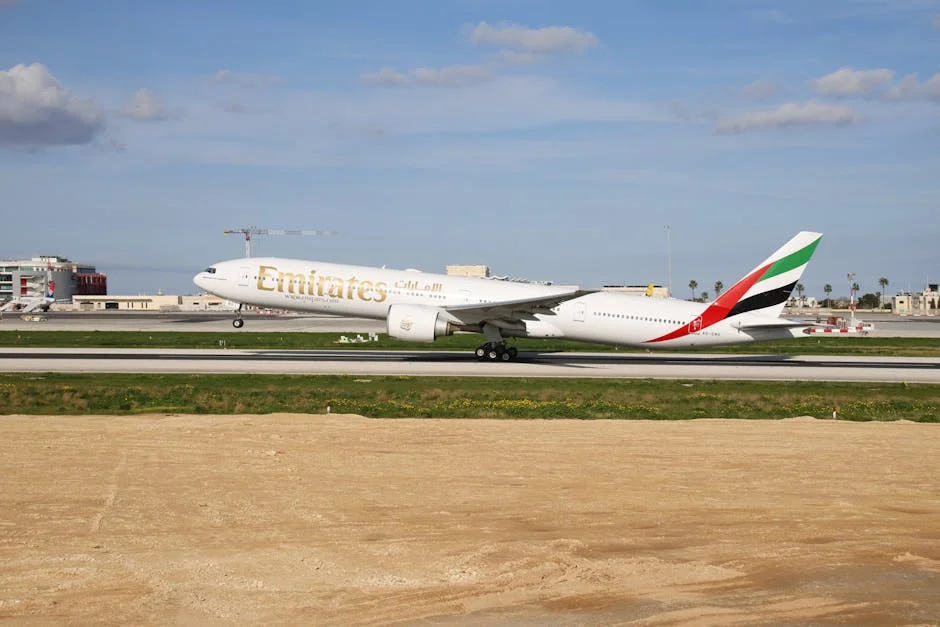
The UAE's initiative to establish safe air corridors is a critical move for airlines operating in and around the Middle East. With increased military operations and geopolitical tensions, the decision to facilitate 48 flights per hour reflects the UAE's commitment to maintaining operational integrity in air travel. This move comes as a response to heightened security concerns affecting several airlines, which have seen a decline in passenger numbers due to fears surrounding potential conflicts.
Regional Tensions and Their Impact on Air Travel
The Middle East has been marked by instability, particularly in areas surrounding Israel and Palestine, which has historically affected airlines' operations. As tensions rise, many carriers have had to reroute flights or cancel services altogether, directly impacting local economies dependent on tourism and business travel. The UAE's decision to open safe corridors is poised to stabilise operations for airlines, allowing them to resume normal flight schedules and restore passenger confidence.
Community Responses: Optimism Amidst Uncertainty
Local communities, particularly those in the UAE, have responded with cautious optimism to the announcement of the safe air corridors. Residents are hopeful that the restoration of air travel will stimulate economic growth, particularly in the hospitality sector that has faced considerable setbacks during periods of heightened conflict. However, many remain concerned about the broader implications of regional tensions that could still disrupt travel.
The Economic Ripple Effect on Local Markets
Airlines play a crucial role in the local economy, as they not only facilitate international travel but also support various sectors including tourism, trade, and logistics. The UAE's decision to implement safe air corridors could lead to an increase in flight bookings, which would subsequently benefit local businesses ranging from hotels to restaurants. Yet, the uncertainty in the Middle East continues to loom, and the extent of the economic recovery may depend on how quickly tensions can be diffused.
What to Watch For: Future Developments in Air Travel
As the situation in the Middle East evolves, citizens and communities should keep an eye on how the UAE's 'safe air corridors' initiative plays out in the coming weeks. Will airlines see a significant uptick in passenger numbers? How will the regional tensions affect future flight operations? The answers to these questions will be crucial for understanding the ongoing dynamics of air travel in the region. For now, the UAE's proactive stance may serve as a stabilising force in turbulent times, providing a much-needed lifeline for both airlines and local communities.