In a significant political shift, Somalia's newly adopted constitution introduces provisions for directly elected lawmakers, a move that promises to reshape the nation's political landscape. This landmark decision was formalised on October 10, 2023, following years of instability and attempts to establish a more inclusive governance structure.
Direct Elections: A Game Changer for Somali Democracy
The new constitution heralds a transformative era for Somalia, enabling citizens to elect their representatives directly rather than relying on a complex system of clan-based appointments. This shift is seen as a vital step towards restoring public trust in governance, which has been eroded by years of conflict and political fragmentation.
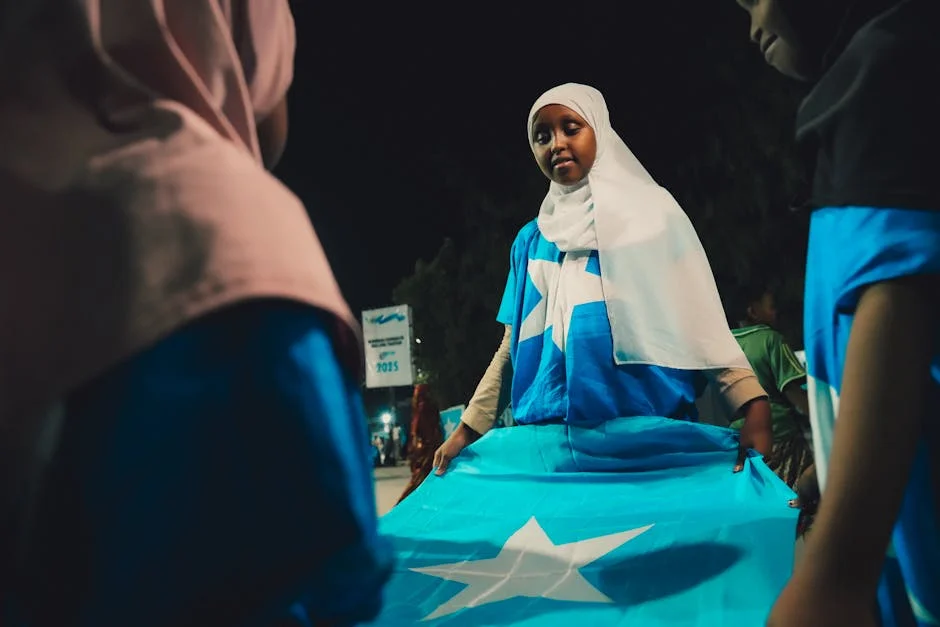
According to the Somali Ministry of Interior, the constitution aims to enhance democratic participation and accountability, allowing citizens to express their political will more effectively. As the country gears up for its first direct elections, scheduled for mid-2024, the implications for the local and national economy are far-reaching.
Local Communities Anticipate Change
For many Somali citizens, the prospect of directly electing their lawmakers is a beacon of hope. Local resident Amina Mohamed expressed her optimism, stating, "This is our chance to choose leaders who truly represent our interests. It feels like we can finally take part in shaping our future." The direct electoral system is expected to empower communities, enabling them to hold their representatives accountable for local issues.
The change in governance structure is also anticipated to invigorate the local economy. With a government more attuned to the needs of its constituents, there is hope for increased investment in essential services, infrastructure, and job creation. Experts believe that more engaged citizens can lead to more responsive policies that address pressing challenges such as unemployment and education.
Political Stability and Economic Prospects
The new constitution comes at a crucial time for Somalia, a country that has struggled with political instability and insecurity for decades. The Somali government views this constitutional development as a means to bolster political stability and foster economic growth. Minister of Planning, Mohamed Abdullahi, highlighted that a functioning democracy could attract international investment, stating, "The world is watching; they want to see how we manage this transition. Successful elections can open doors for Somalia on the global stage."
However, challenges remain. The country must address issues of security and clan rivalries that could disrupt the electoral process. The international community, including the African Union, is closely monitoring these developments, understanding that a stable Somalia can have far-reaching implications not just regionally but also for global counter-terrorism efforts.
Social Impact: Bridging Divides and Fostering Unity
The introduction of direct elections is not solely a political reform; it is also a social one. Analysts argue that empowering citizens through direct representation could bridge longstanding divides among various clans and communities. By fostering a sense of unity and shared purpose, the new constitution may help to diminish the violence that has plagued Somali society.
Community initiatives are already emerging in anticipation of the elections, with local organisations mobilising to educate citizens about the electoral process. These grassroots movements aim to ensure that even the most marginalised voices are heard and represented in the upcoming elections.
What Comes Next for Somalia?
As Somalia moves forward with its new constitution, all eyes will be on the electoral process set to unfold in 2024. The success of these elections will be pivotal, not just for the country's internal dynamics but also for how Somalia is perceived internationally. The expectation is that a successful electoral process will lead to further political reforms and economic development, ultimately benefiting all citizens.
In conclusion, the introduction of direct elections for lawmakers marks a pivotal moment in Somalia's political journey. The impact on daily life, local economies, and social cohesion is expected to be profound, as citizens prepare to engage more directly with their governance. As Somalia stands at this crossroads, the world watches, recognising that the outcome could influence regional stability and beyond.