A significant meeting of clerics in Nigeria this Wednesday has raised concerns about a potential split within the Anglican Church, a development that could profoundly impact Christian communities across the region. The gathering, which included prominent church leaders from various dioceses, aimed to address ongoing disagreements regarding doctrinal issues, particularly around sexuality and governance.
Rising Tensions within the Anglican Community
The Anglican Church in Nigeria, one of the largest provinces in the worldwide Anglican Communion, has witnessed escalating tensions in recent years. These tensions have largely stemmed from differing stances on social issues, particularly those related to LGBTQ+ rights, which have caused rifts not only within Nigeria but across the global church community.
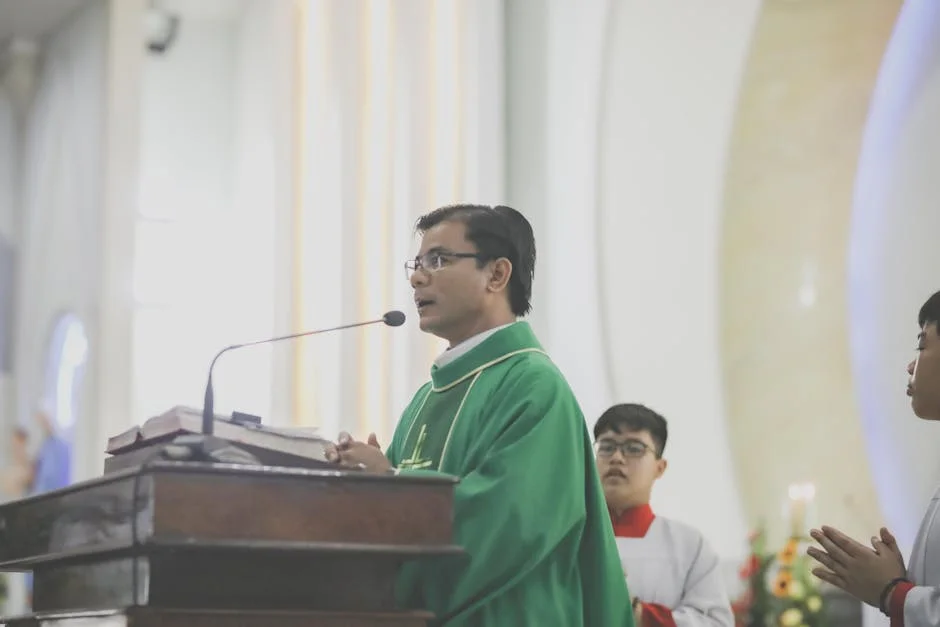
Clerics Address Local and Global Concerns
During the Wednesday meeting, clerics discussed various propositions aimed at reconciling differences. Among the most contentious topics was the church's response to same-sex unions, which have caused a divide between liberal and conservative factions within the church. Bishop Matthew Kukah of the Sokoto Diocese emphasised the need for unity, stating, "We cannot afford to let worldly issues divide us as we serve our congregations."
Impact on Local Communities
The potential split within the Anglican Church could have significant ripple effects on local communities. Many citizens rely on the church not only for spiritual guidance but also for social services, including education and health care. A rift could impede these essential services, especially in rural areas where the church plays a pivotal role in community life. Local resident Sarah Okafor expressed concern, saying, "If the church splits, many of us will suffer the consequences, especially those depending on its support for education and health services."
Historical Context of Division
The current situation isn't the first of its kind; the Anglican Church has faced internal divisions before, notably over the ordination of female bishops and the acceptance of LGBTQ+ clergy. Similar issues have sparked debates in other African nations, where cultural and religious beliefs often clash with modern interpretations of Christianity. The history of such divisions suggests that the current tensions might not be easily resolved.
What’s Next for the Anglican Church?
As the Anglican Church navigates these turbulent waters, the outcome of this meeting could shape the future of Christianity in Nigeria. Observers are keenly watching for any announcements regarding additional meetings or initiatives aimed at fostering dialogue. The stakes are high, not only for the church's internal cohesion but also for the communities it serves. The unfolding developments may well dictate the direction of Christian practices and community support in the region.