Iran's government has issued a stark warning to the United States, stating that any ground invasion of its territory would result in catastrophic consequences. This statement comes amid escalating tensions between the two nations, raising concerns for citizens and communities in both regions.
Escalating Tensions: What Prompted Iran's Warning?
The warning from Iran follows a series of military exercises conducted by the US in the Gulf region, which have been interpreted as preparations for a potential invasion. Iranian officials, including Foreign Minister Hossein Amir-Abdollahian, have characterised these actions as aggressive provocations. "Any ground invasion would be met with fierce resistance," he stated, emphasising that such a move would destabilise the entire region.
Local Communities Brace for Impact Amid Rising Hostilities
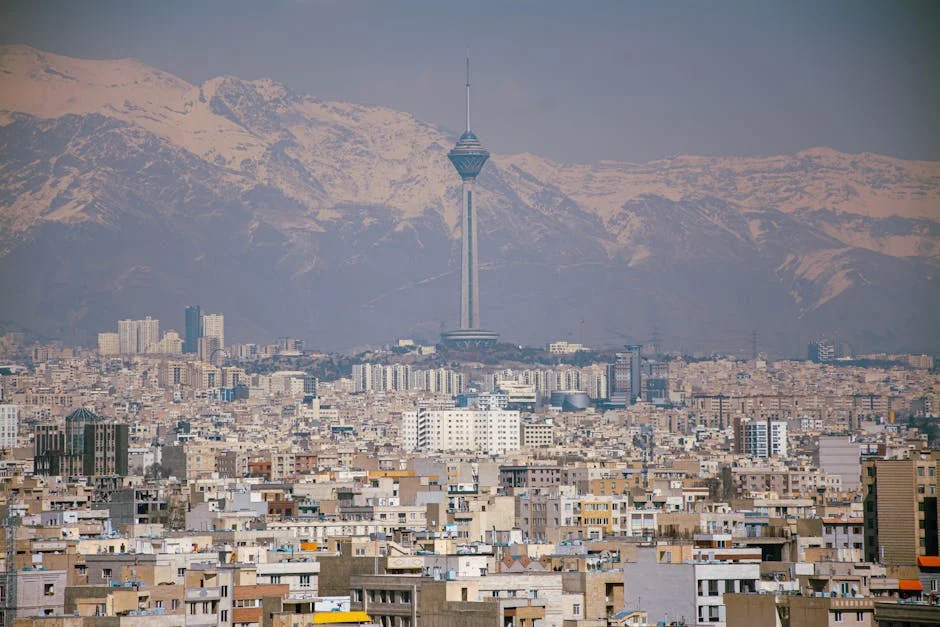
Citizens in Iran are already feeling the effects of heightened tensions. Local businesses, particularly those reliant on trade and tourism, are bracing for economic fallout. Many fear that a military conflict could lead to sanctions or further isolation from the international community. In Tehran, shop owner Ali Jafari expressed concern: "People are already struggling economically; a war would devastate our livelihoods."
The Social Ramifications of Potential Conflict
The prospect of a US ground invasion also raises alarms regarding social stability in Iran. With a population already grappling with economic challenges, any military action could exacerbate existing tensions among various social groups. Activist groups warn that a prolonged conflict may lead to civil unrest and increased repression by the government, impacting daily life for ordinary Iranians.
What This Means for Regional Neighbours
Countries neighbouring Iran are closely monitoring the situation, as a military conflict could have a ripple effect across the Middle East. Nations such as Iraq and Afghanistan, already suffering from instability, could see an influx of refugees or renewed violence. Local leaders in these countries are urging for diplomatic solutions to prevent further escalation, recognising that peace in the region is often tenuous.
The Future of US-Iran Relations: Where Do We Go From Here?
As the situation evolves, experts suggest that the international community must step up diplomatic efforts to de-escalate tensions. Iran's warning serves as a reminder of the thin line between diplomacy and conflict. Citizens across the region, particularly in Iran, must remain vigilant as they navigate the uncertainties ahead. The potential for military action represents not just a threat to national sovereignty but a significant upheaval of daily life and community stability.