Former US President Donald Trump has once again turned his attention to Europe, labelling Spain and the UK as 'hostile' during a rally in the United States. This provocative rhetoric comes as he criticises the political leadership of both nations, raising concerns over potential diplomatic tensions and their implications for citizens.
Trump's Critique: A Focus on Spain and the UK
During a recent rally in Texas, Donald Trump denounced Spain and the United Kingdom as 'hostile actors' in a speech aimed at galvanising his political base. Trump directed fire at the policies of UK Labour leader Keir Starmer and Spanish Prime Minister Pedro Sánchez, suggesting their governance poses challenges to American interests. This marks a continuation of Trump's populist rhetoric, which often targets foreign nations and leaders he perceives as adversarial.
Local Impact: How Citizens Could Be Affected
The immediate question for communities in Spain and the UK is how Trump's comments might influence bilateral relations. As trade partners and allies, the US's relationship with these countries affects local economies. Increased hostility could lead to trade barriers, affecting businesses reliant on export and import activities. For example, small manufacturers in the UK and local farmers in Spain could face significant disruptions if tensions escalate.
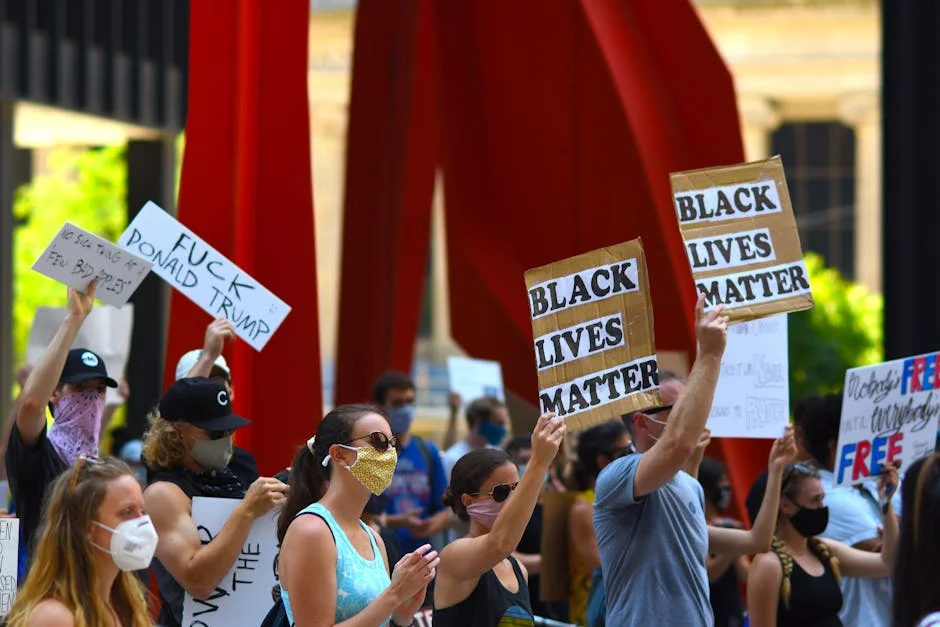
Moreover, Trump's remarks may trigger a backlash among local populations, prompting greater scrutiny of their governments' foreign policies. Citizens may feel compelled to engage in political dialogues or demonstrations in support of their leaders, reflecting a heightened sense of national pride and unity in response to perceived external threats.
Keir Starmer’s Response: Bridging Divides or Escalating Tensions?
In the wake of Trump's comments, UK Labour leader Keir Starmer has sought to downplay the significance of the former president's remarks. Starmer emphasised the importance of maintaining strong international alliances while highlighting that the UK will not be swayed by divisive rhetoric. His response aims to reassure citizens that their government remains committed to fostering positive relations with the US, despite the challenges posed by Trump's statements.
Starmer's approach could also serve to galvanise support for his leadership, as citizens perceive a need for stability and diplomatic engagement in these uncertain times. His ability to navigate this situation could be pivotal in shaping public opinion ahead of upcoming elections.
What Comes Next: Monitoring Diplomatic Relations
As communities in Spain and the UK await further developments, they should remain vigilant regarding the potential ramifications of increased hostility from the US. The diplomatic landscape is ever-changing, and citizens may find themselves affected by shifts in trade agreements, travel restrictions, and cultural exchanges. Local businesses, especially those with ties to American markets, should prepare for possible fluctuations in demand and adjust their strategies accordingly.
In conclusion, Trump's latest remarks serve as a reminder of the interconnectedness of global politics and local affairs. While communities may feel distant from the political machinations of a former president, the outcomes of such rhetoric can reverberate through economies, social dynamics, and national sentiments.