Canadian Prime Minister Mark Carney has described the ongoing conflict in Iran as a significant failure of the international order, highlighting the urgent need for global cooperation to address escalating tensions in the Middle East. This stark assertion came during a press conference in Ottawa on October 22, 2023, where Carney addressed the implications of the war for both regional stability and international relations.
Mark Carney’s Call for Action on Middle East Crisis
During his address, Carney emphasised that the war in Iran is not just a regional conflict but a pivotal moment that threatens to destabilise the entire Middle East. He pointed out that the repercussions of this conflict extend beyond borders, impacting global economies and international alliances. The Prime Minister called for a renewed commitment from world leaders to engage in diplomatic dialogue, urging that the current state of affairs is reminiscent of historical failures to prevent conflict through proactive measures.
Impact on Local Communities in Canada and Beyond
The ramifications of the Iran conflict are being keenly felt not only in the Middle East but also in communities across Canada. With a significant Iranian diaspora residing in cities like Toronto and Vancouver, the ongoing violence has resulted in heightened anxiety and concern among residents. Community leaders have reported an increase in calls for support services as families grapple with uncertainty regarding their loved ones in Iran.
Additionally, the conflict is expected to affect local economies. As tensions rise, oil prices are likely to fluctuate, which could lead to increased costs of living for Canadians. This situation has been met with concern from economic analysts who warn that any sustained increase in energy prices could exacerbate inflation, further straining household budgets.
What the Conflict Means for International Relations
The situation in Iran poses critical questions about the role of Canada in Middle Eastern politics. Carney's statements reflect a growing recognition of Canada’s influence in international diplomacy. As a member of various international coalitions, Canada holds a unique position to advocate for peace and stability in the region.
Moreover, the United States plays a crucial role in this dynamic. Analysts suggest that any shifts in American foreign policy or military involvement will directly impact Canada’s strategic approach to the crisis. Carney’s emphasis on collaboration highlights the need for a unified response from Western nations to foster a resolution, underscoring that the failure of international order in the face of war could lead to broader global instability.
Public Response and Activism
The Canadian public's response to Carney's statements has been largely supportive, with many citizens calling for a more active role in humanitarian efforts. Community groups are mobilising to raise awareness and funds for those affected by the conflict, while others are advocating for the Canadian government to take a firmer stance on diplomatic negotiations.
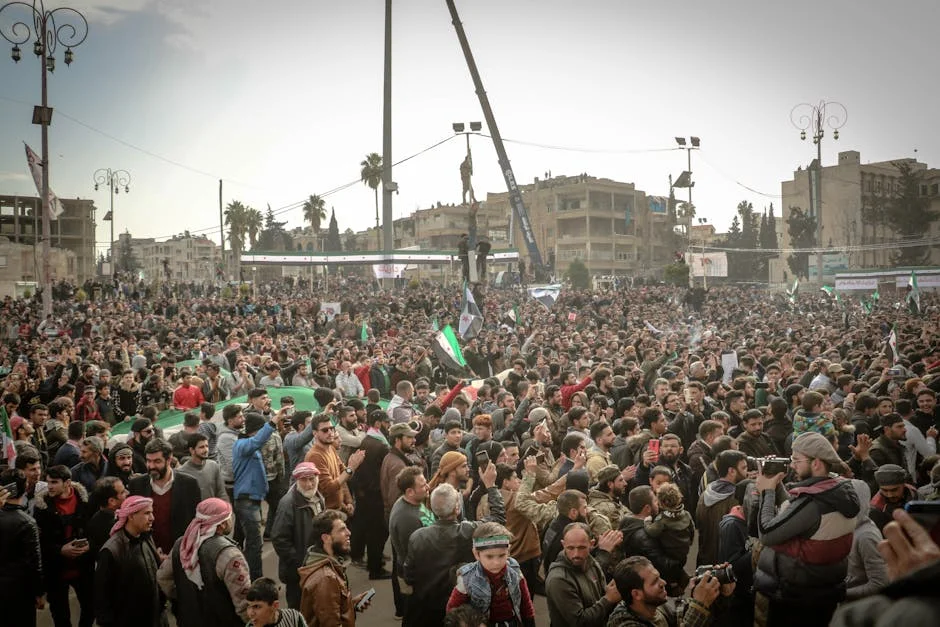
As protests and vigils grow in Canadian cities, citizens are increasingly aware of how international events can directly shape local lives. This heightened engagement illustrates a community that is not only concerned about the implications of war abroad but also inspired to take action within their own regions.
Looking Forward: What to Watch
As the situation in Iran evolves, Canadians should remain vigilant on how the conflict will influence both international relations and domestic policies. The government’s response, particularly regarding foreign aid and support for peace initiatives, will be closely scrutinised by the public and advocacy groups alike.
Furthermore, the impact on the local economy, particularly in energy sectors, will require ongoing attention. With rising tensions in the Middle East, Canadians may need to prepare for shifts in economic conditions that affect everyday life.