Mosiuoa Lekota, a prominent South African anti-apartheid activist and former political leader, passed away on Wednesday at the age of 77. His death marks the end of an era for a generation that fought against racial injustice and sought democracy in South Africa.
Legacy of a Fighter for Freedom
Lekota was a key figure in the struggle against apartheid, serving as a member of the African National Congress (ANC) and later leading the Congress of the People (COPE). His activism spanned several decades, beginning in the 1960s when he was imprisoned for his opposition to the apartheid regime. His commitment to justice and equality made him a revered figure in South African history.
Community Reaction and Mourning
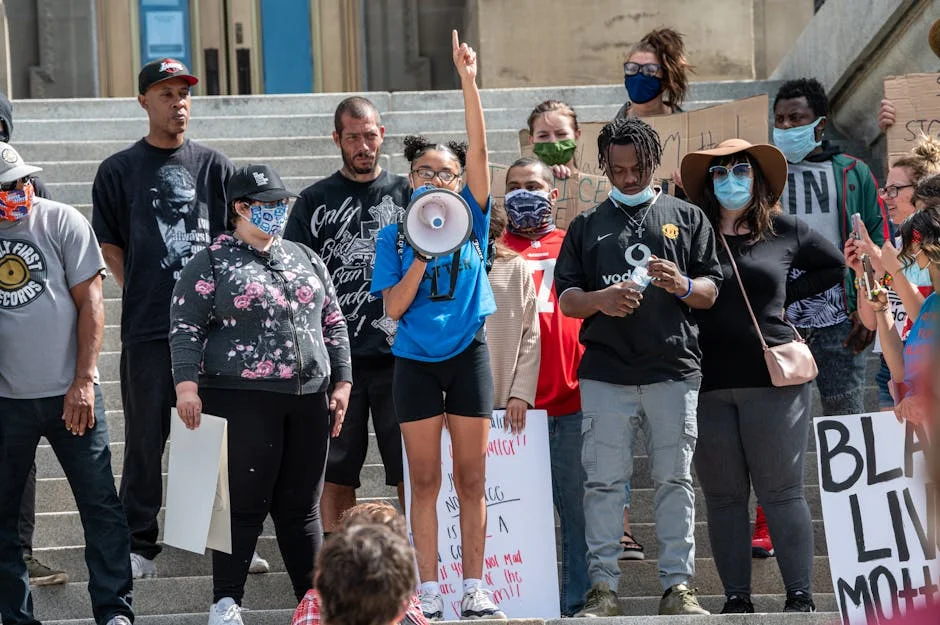
In the wake of Lekota's passing, communities across South Africa have come together to honour his legacy. Many citizens took to social media, sharing tributes and personal anecdotes about how Lekota's work directly impacted their lives. Local organisations have planned vigils to celebrate his contributions to the nation.
Impact on Current Political Landscape
Lekota's death raises questions about the future of opposition politics in South Africa. As the country faces ongoing challenges such as corruption and economic inequality, his absence may leave a gap in leadership for those advocating for change. Political analysts suggest that Lekota's ideals of unity and integrity are more critical than ever in the current climate.
The Importance of Remembering History
For younger generations, understanding Lekota's role in the anti-apartheid movement can provide valuable lessons about civic engagement and the importance of fighting for one's rights. His story serves as a reminder of the sacrifices made for freedom, encouraging ongoing activism within communities.
What Comes Next?
As South Africa reflects on Lekota's contributions, citizens are urged to continue the fight for equality and justice in their own communities. Local leaders and activists plan to host discussions and workshops to further educate the public on Lekota's legacy and how it can inspire future movements for social change.