The Icelandic Government has announced plans to hold a referendum this autumn on the country's potential accession to the European Union. This significant decision, made public during a session in the Alþingi (Parliament) yesterday, could reshape Iceland's relationship with Europe and directly impact its citizens.
Why the Referendum Matters for Iceland
The proposal to hold a referendum comes amid ongoing debates about Iceland’s future direction in terms of economic stability and international partnerships. With the European Union's influence growing in global affairs, many Icelanders are keen to assess the implications of joining the bloc. This referendum will allow citizens in Reykjavík and beyond to voice their opinions on a topic that has long been a point of contention.
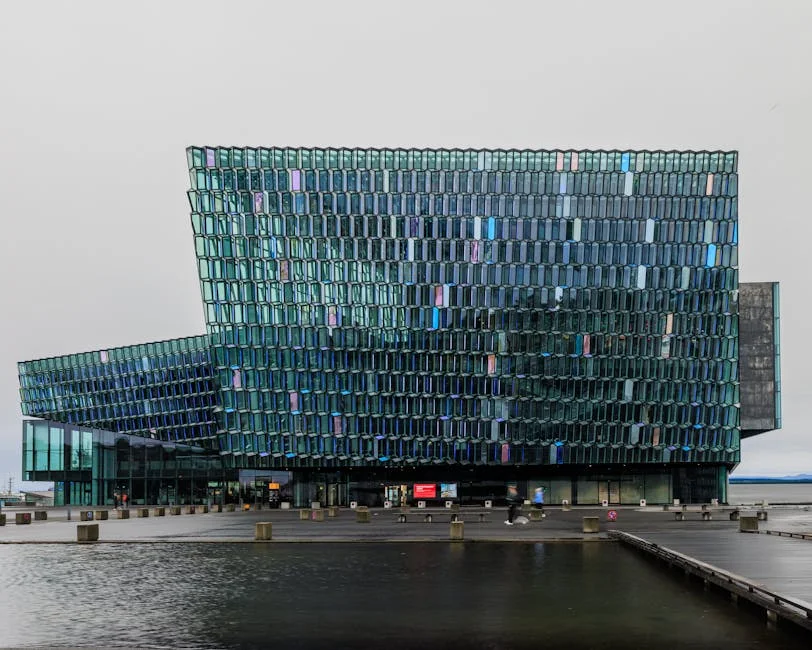
Reykjavík’s Economic Concerns
Economic factors play a crucial role in the government's decision to propose this referendum. Iceland has faced various economic challenges over the past decade, including the repercussions of the 2008 financial crisis. Proponents of EU membership argue that joining the union could provide economic security through access to a larger market and financial support mechanisms. Local businesses in Reykjavík, especially in tourism and fishing, are watching closely as they could either benefit from increased trade opportunities or face new regulations.
Social Implications of EU Accession
Socially, the potential shift towards EU membership raises questions about immigration, human rights, and environmental standards. Many Icelanders have expressed concerns about how EU regulations might affect their cultural identity and societal norms. The government’s decision to hold a referendum reflects a commitment to engage citizens in this pivotal discussion, ensuring that voices from all parts of the community are heard.
Community Response: Divided Opinions in Reykjavík
Local opinion in Reykjavík is divided, with some citizens passionately supporting EU membership for the potential economic benefits, while others fear the loss of sovereignty and the dilution of national identity. Community forums and public debates are expected to intensify leading up to the referendum, providing a platform for citizens to express their views. Recent polls indicate that approximately 45% of Icelanders favour joining the EU, while 30% oppose it, with the rest undecided.
What’s Next for the Icelandic Government and Citizens?
As the referendum date approaches, the Icelandic Government is tasked with informing the public about the implications of EU membership. Citizens are encouraged to engage with local representatives and participate in discussions to better understand the potential impacts on their daily lives and the local economy. The outcome of this referendum could shape Iceland's future for years to come, making it a pivotal moment in the nation’s history.