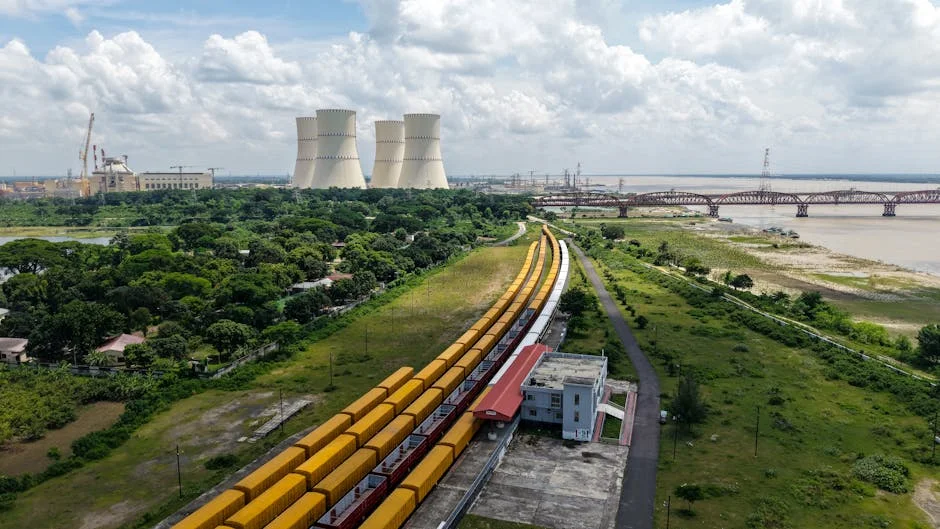
Environmental groups have launched a legal challenge against the approval of the Duynefontein nuclear power plant by Eskom, sparking significant concern among local communities in the Western Cape. The case, presented before the Western Cape High Court, aims to halt the project amid fears of adverse environmental impacts.
Legal Action Against Eskom's Decision
The legal action was initiated by several prominent environmental organisations, including the South African National Biodiversity Institute and the Wilderness Foundation Africa. These groups argue that the approval of the Duynefontein nuclear power plant, situated near the existing Koeberg facility, violates environmental regulations and fails to adequately consider the potential risks to local ecosystems and communities. The court hearing is set for next month, intensifying scrutiny on Eskom's plans.
Community Concerns Over Environmental Impact
Residents in Duynefontein and surrounding areas have expressed alarm over the nuclear plant's implications. Community leader Thandiwe Mthembu stated, "We are worried about what this means for our health and the environment. We have seen the effects of pollution from the Koeberg plant, and we don’t want another facility causing more damage." Many locals fear that the construction and operation of the new plant may lead to increased radiation exposure and disrupt local wildlife.
Economic Ramifications for Local Communities
While Eskom promotes the Duynefontein nuclear power plant as a necessary step to meet South Africa's growing energy demands, local residents are divided on the economic benefits versus environmental risks. The power plant is expected to create jobs in the short term, but critics argue that long-term consequences could jeopardise agriculture and tourism in the region. With the Western Cape heavily reliant on both sectors, the stakes are high for local economies.
The Role of Eskom and Energy Policy
Eskom, as the state-owned power utility, holds significant influence over South Africa's energy landscape, impacting not just electricity generation but also environmental policy. The current situation highlights ongoing debates about the role of nuclear energy in South Africa's energy mix. Critics argue that increased reliance on nuclear power may detract from investment in renewable energy sources, which could benefit local communities in the long run.
What’s Next for the Duynefontein Project?
The outcome of the court case could set a precedent for future energy projects in South Africa. If the environmental groups succeed, it may halt the Duynefontein nuclear project and force Eskom to reassess its approach to energy production. Citizens and local stakeholders are encouraged to stay informed and engaged as the situation develops, with community meetings scheduled to discuss the implications of the court's decision.