Recent developments reveal that former President Donald Trump's aggressive stance on Iran is fueled by more than just oil interests. In a new opinion piece, analysts argue that a complex web of financial motivations is steering U.S. policy in the Middle East, with significant ramifications for local communities and economies.
Financial Interests Beyond Oil in Iran Policy
As tensions rise between the United States and Iran, the focus has often been on oil as the primary driver of U.S. foreign policy. However, experts suggest that broader financial interests, including investments and military contracts, are equally influential. The opinion piece sheds light on how Trump's administration has leveraged these factors to justify its aggressive moves against Iran, raising questions about the true motivations behind U.S. actions in the region.
Impact on Local Economies in the Middle East
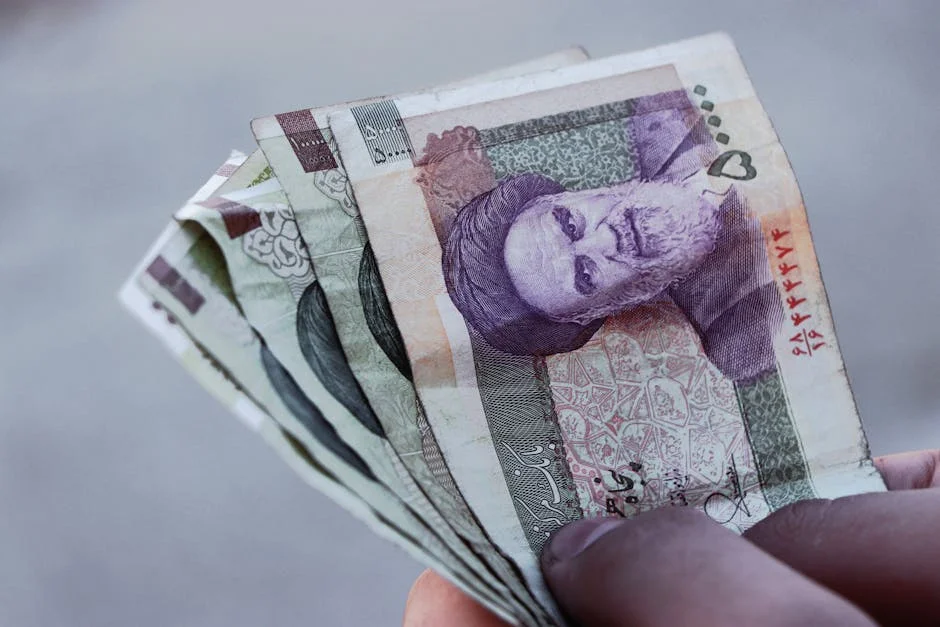
The implications of these policy shifts extend far beyond geopolitical posturing. Many communities in the Middle East are already feeling the economic strain from sanctions and military escalations. Local businesses, reliant on cross-border trade and stability, are facing uncertainty. As tensions escalate, citizens are left to navigate a precarious economic landscape, where jobs and livelihoods are increasingly at risk.
Social Consequences for Citizens
The rising aggression not only threatens economic stability but also social fabric within the region. Families are impacted by the fear of conflict and instability, leading to a sense of insecurity among citizens. The opinion piece highlights how such tensions can exacerbate existing social divisions and fuel sectarian conflicts, which are detrimental to community cohesion.
Community Responses and Resilience
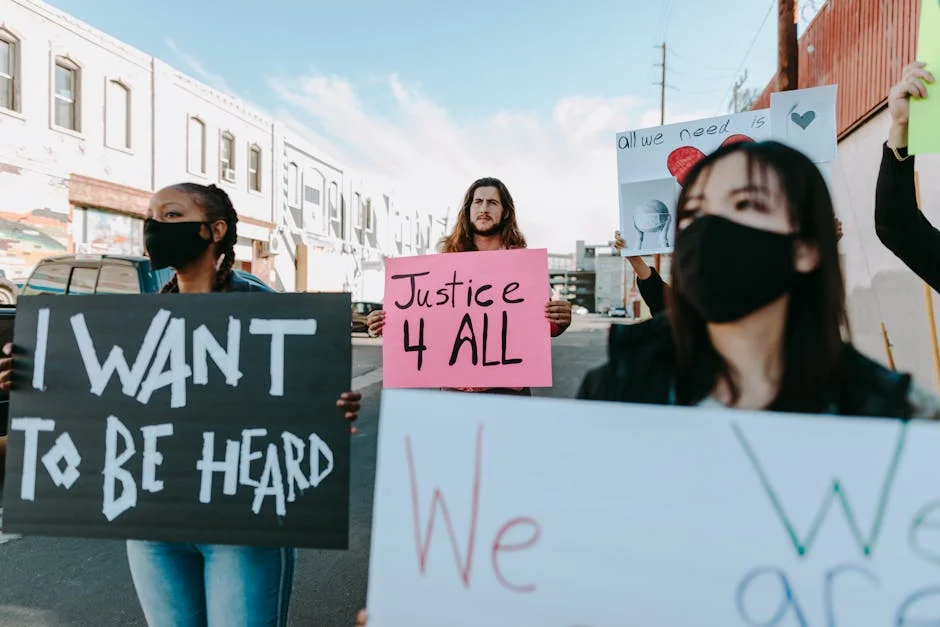
In response to these challenges, communities across the Middle East are demonstrating resilience. Grassroots movements and local organisations are working tirelessly to provide support and promote dialogue among citizens. The article points out that while external factors may drive conflict, it is often local communities that bear the brunt of these decisions. There is a growing demand for policies that prioritise peace and stability over financial gain.
Looking Ahead: What Citizens Should Watch For
As the U.S. continues to navigate its relationship with Iran, citizens should remain vigilant about the possible consequences of these developments. The emphasis on 'big money' in foreign policy could lead to further escalations, impacting daily life for ordinary people. Keeping an eye on local and regional economic indicators, as well as community responses, will be crucial in understanding how these policies directly affect their lives and futures.