In a stunning revelation, the Rijksmuseum has identified a Rembrandt painting lost since 1960, igniting excitement among art enthusiasts and historians alike. The artwork, believed to be a depiction of the biblical figure Zacharias, was previously thought to have been permanently lost and its rediscovery is set to influence the local art community significantly.
The Rediscovery of a Masterpiece
The Rijksmuseum, a beacon of art and culture in Amsterdam, announced on Wednesday that it has successfully identified a Rembrandt painting, which had been missing for over six decades. The artwork, a portrayal of Zacharias, was last seen publicly in 1960 and has since been the subject of much speculation and intrigue among art scholars.
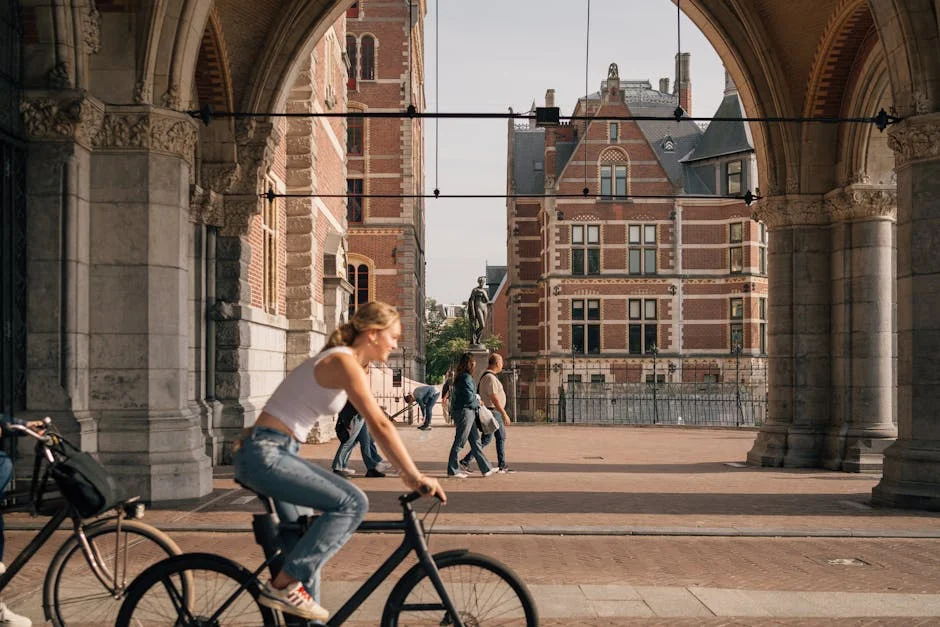
Experts from the museum confirmed the painting's authenticity after an extensive restoration process, which revealed hidden details in the brushwork typical of Rembrandt's style. This revelation is not only a triumph for the museum but also for the global art community, which has long mourned the loss of such a significant piece.
Why Rijksmuseum Matters to the Local Community
The Rijksmuseum is more than just a gallery; it serves as a cultural hub for citizens in the region and beyond. Its role in preserving and celebrating Dutch art and history is vital, especially in a world increasingly focused on digital experiences. The identification of this Rembrandt painting is expected to bolster local tourism, attracting art lovers from across the globe.
Local businesses, particularly those in hospitality and retail, stand to benefit from the anticipated increase in visitors. The museum's exhibitions often draw thousands of attendees, and the news of a newly rediscovered Rembrandt could lead to record-breaking attendance numbers.
The Social Impact of Art
Art plays a crucial role in community identity and cohesion. The Rijksmuseum's rediscovery of this Rembrandt not only highlights the importance of art in historical context but also in its ability to unite people. Local citizens are expected to engage more with the museum, sparking conversations about art, culture, and history in their everyday lives.
In a recent statement, a representative from the Rijksmuseum noted, "Art is a dialogue between the past and present. The rediscovery of this piece allows us to continue that conversation and inspires future generations to appreciate our rich heritage." This sentiment resonates strongly within the local community, which values its cultural institutions.
Looking Ahead: What Comes Next?
As preparations begin for the painting's public unveiling, the Rijksmuseum is expected to implement special educational programs focusing on Rembrandt's impact on art and society. These initiatives aim to engage local schools and communities, fostering a deeper appreciation for art.
Moreover, stakeholders in the local economy are already strategising ways to capitalise on the influx of visitors. From guided tours to art workshops, the opportunities for local entrepreneurs are abundant. The rediscovery of this Rembrandt presents an exciting chapter not only for the Rijksmuseum but for the entire region.
Conclusion: A New Chapter in Art History
The identification of the long-lost Rembrandt is a pivotal moment for the Rijksmuseum, reaffirming its status as a leading institution in the art world. As excitement builds over the upcoming unveiling, it is clear that this discovery will resonate well beyond the museum's walls, impacting the local economy and enriching the community's cultural fabric.