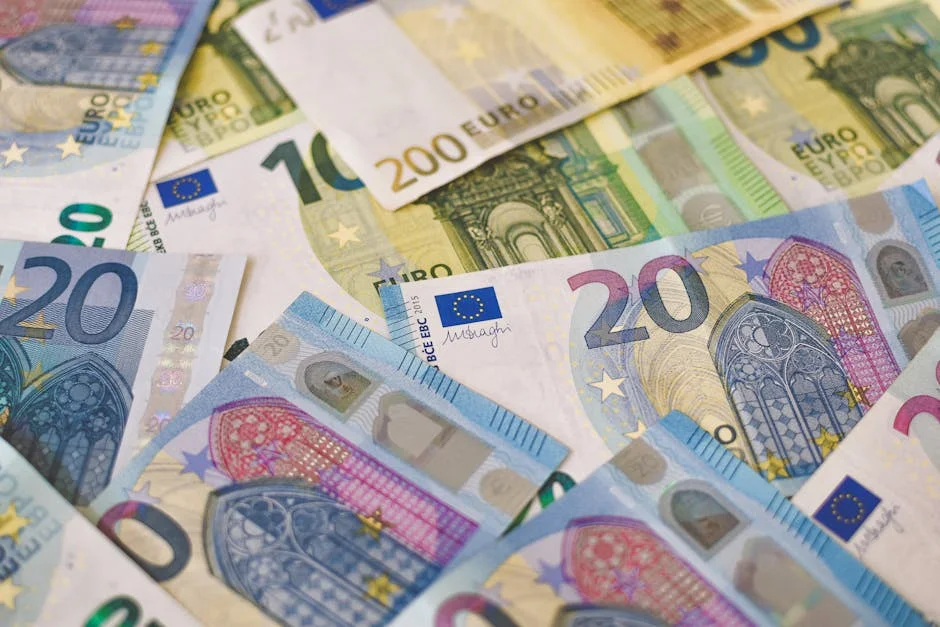
The Euro has sharply declined, falling to $1.15, sparking concern among economists and citizens alike. This significant drop, occurring on 7 October 2023, raises questions about the implications for local economies and daily life across communities that rely on trade and travel within the Eurozone.
Impact on Local Economies and Trade
The recent decline of the Euro has immediate consequences for local economies, particularly those engaged in international trade. Many businesses in the region depend on importing goods from the United States and other countries. As the Euro weakens, the cost of imports increases, leading to higher prices for everyday products. This could strain local businesses and reduce consumer spending as prices rise.
Effect on Tourism and Travel
The plummeting value of the Euro could also influence tourism, a vital sector for many regions. A stronger dollar means that for foreign tourists, particularly from the US, Europe becomes a more attractive destination. However, for European citizens travelling abroad, the cost of trips to dollar-denominated countries increases, potentially leading to fewer travel plans and less spending overseas.
Consumer Price Increases: What Citizens Can Expect
Consumers are likely to see a direct impact on their wallets as the costs of imported goods rise. Essential items such as electronics, clothing, and even food products may see price hikes. Local grocery stores and retailers may pass on these increased costs to consumers, affecting everyday expenses for families in the community.
Community Responses and Economic Strategies
Local governments and businesses are already contemplating strategies to mitigate the impact of the Euro's decline. Some community leaders are calling for businesses to source more local products to reduce dependence on imports. This shift could bolster local industries and stimulate job growth, although it may take time for these changes to materialise.
Future Outlook: What to Watch For
As the Euro continues to fluctuate, citizens should keep an eye on economic indicators and government responses. Potential interventions from the European Central Bank could stabilise the currency, but until then, communities may need to adapt to a new economic reality. Those in areas heavily reliant on imports and tourism will be particularly affected and should prepare for the upcoming challenges.