
The Delhi Cabinet, led by Chief Minister Rekha Gupta, approved the DURGA scheme on September 23 to deploy 1,300 pink electric autos. These vehicles will be operated by women and transgender drivers to improve local transport options. The initiative targets specific districts in the national capital to enhance safety and create new employment avenues.
Delhi Cabinet Approves 1,300 Pink Electric Autos for Women and Transgender Drivers
Chief Minister Rekha Gupta confirmed the approval of the DURGA scheme during the cabinet meeting on September 23. The plan introduces 1,300 electric autos painted in pink to signal their dedicated service. Women and transgender individuals will serve as the primary drivers for this fleet. The move directly addresses transport gaps in high-demand areas of Delhi.
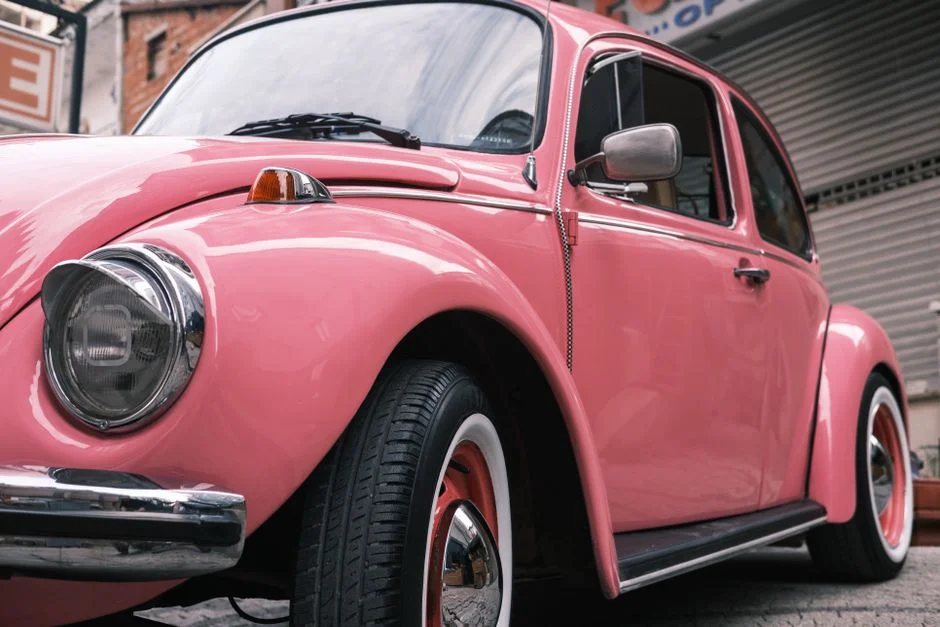
The DURGA scheme focuses on immediate job creation for marginalized groups. By assigning specific vehicles to women and transgender drivers, the administration aims to increase ridership confidence. Pink electric autos provide a visible, safe alternative to standard yellow and green taxis. This visual distinction helps passengers identify trusted transport options quickly.
Transport authorities will oversee the deployment of these vehicles across selected districts. The scheme prioritizes areas with high foot traffic and limited public transport access. Drivers will receive training on vehicle operation and customer service standards. The government expects the fleet to reduce wait times for commuters during peak hours.
The initiative also supports the broader goal of increasing electric vehicle adoption in the capital. Electric autos produce zero emissions, contributing to cleaner air in densely populated zones. The DURGA scheme aligns with Delhi’s push for sustainable urban mobility. Local residents will see a gradual increase in available rides over the coming months.
Chief Minister Rekha Gupta highlighted the social impact of the DURGA scheme during the announcement. She emphasized that the program empowers women and transgender individuals economically. The scheme provides a stable income source for drivers while improving public safety. Riders, especially women, may feel more secure using pink electric autos at night.
The DURGA scheme represents a targeted approach to urban transport challenges. It combines employment generation with service improvement in a single policy. The government will monitor rider feedback and driver performance closely. Adjustments to the fleet size or deployment zones may follow based on initial results.
Local businesses and schools in the pilot districts will benefit from reliable transport. Commuters can expect shorter wait times and more predictable fares. The pink electric autos will operate alongside existing taxi and auto-rickshaw services. This integration ensures that the new fleet complements rather than disrupts current transport patterns.
The DURGA scheme marks a significant step in Delhi’s transport policy. It demonstrates a commitment to inclusive urban planning. The government will announce the first batch of drivers and vehicle locations soon. Residents should watch for official notifications regarding registration and service zones.
See Also
- Delhi Orders Water Audit — Some Areas Getting Triple the Supply of Others
- Mbalula Slams ANC Recall Push: Ramaphosa Stays, Markets React
Chief Minister Rekha Gupta highlighted the social impact of the DURGA scheme during the announcement. Electric autos produce zero emissions, contributing to cleaner air in densely populated zones.