The Education Minister of Karnataka recently laid the foundation stone for a new school in Shivamogga, marking the beginning of an ambitious plan to construct 1,000 Karnataka Public Schools (KPS) across the state. This initiative focuses on expanding educational infrastructure, with the goal of significantly enhancing access to quality education in both urban and rural areas.
Immediate Details of the Initiative
The announcement was made during a ceremony held in Shivamogga, a key district in Karnataka known for its rich cultural heritage and growing urban development. The Education Minister emphasised the state government's commitment to bridging educational gaps and improving facilities.
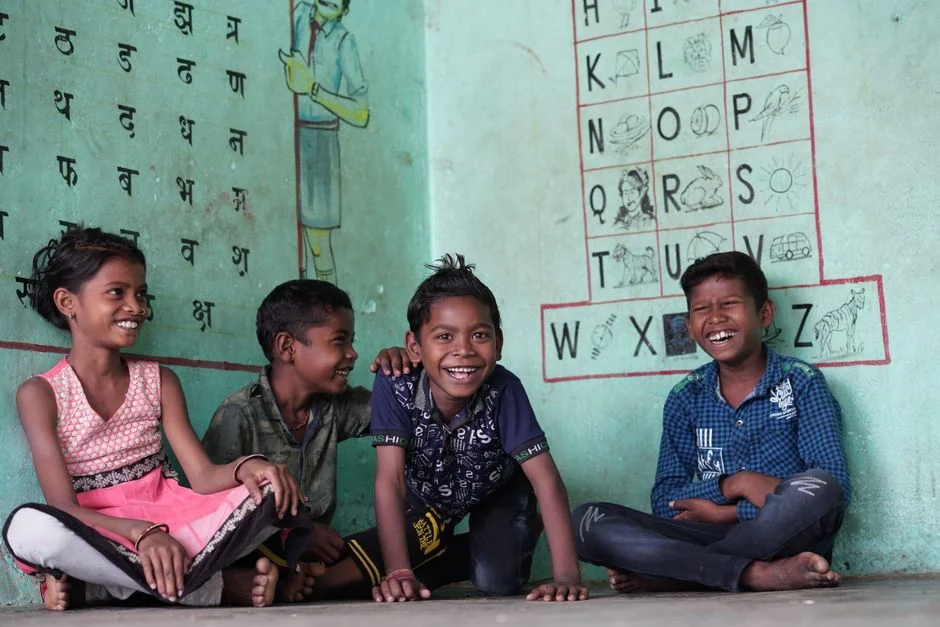
The initiative to build 1,000 schools is part of a broader strategy to address educational inequalities and cater to the needs of the state's diverse population. By prioritising the construction of these schools, the government aims to provide affordable and quality education to students, especially in underserved areas.
During the ceremony, it was stated that the new schools would be equipped with modern facilities, including digital classrooms, libraries, and sports complexes. These schools are expected to follow a standardised curriculum, designed to meet contemporary educational demands and foster holistic development among students.
Authorities in Shivamogga have already begun preparations for the construction phase, which includes land acquisition and infrastructure planning. This project is expected to generate significant employment opportunities in the district, contributing to local economic growth.
The Education Minister also highlighted that the establishment of these schools would not only enhance educational access but also strengthen the state's commitment to achieving educational equity. The plan aligns with Karnataka's vision for educational reform and development, promoting an inclusive education system.
Background and Significance of the Development
The decision to launch 1,000 schools in Karnataka is backed by a history of educational reforms aimed at improving literacy rates and educational standards. Karnataka has been at the forefront of educational innovation in India, with several successful policies implemented over the past decades.
Historically, the education sector in Karnataka has faced challenges such as inadequate infrastructure, teacher shortages, and regional disparities in educational quality. The current initiative is designed to address these issues systematically, providing a comprehensive solution for long-term educational improvement.
Challenges in Karnataka's Education System
- A significant gap in educational facilities between urban and rural areas.
- Shortage of qualified teachers, particularly in remote regions.
- Underrepresentation of marginalised communities in quality educational institutions.
- Need for updated curriculum and teaching methodologies to meet global standards.
Building 1,000 new schools is expected to alleviate some of these challenges by bringing infrastructure improvements and standardised education to rural and semi-urban areas. Moreover, the focus on equitable access reflects the government's commitment to inclusive growth.
Experts in the field of education have lauded the initiative, noting that it could set a benchmark for other states looking to boost their educational infrastructure. However, they also caution that the success of the project will depend on effective implementation and continuous monitoring of school operations.
What to Watch Next
As the foundation work in Shivamogga begins, the next steps involve detailed planning and execution phases. Local authorities will need to ensure timely completion of construction projects while maintaining quality standards. Regular updates from the state government will be crucial for monitoring progress.
Residents of Karnataka can expect to see the first of these schools opening within the next few years, with a potential timeline for all 1,000 schools to be operational within a decade. This ambitious timeline will require coordinated efforts from various stakeholders, including government agencies, local communities, and private partners.
Furthermore, residents and policymakers alike will need to focus on training and deploying skilled teachers to these new schools. The state government is likely to introduce new teacher training programs to support this expansion. Additionally, the integration of technology in these schools will be a key area to watch, as it will play a significant role in enhancing learning outcomes.
As Karnataka embarks on this transformative educational journey, the broader implications for the state's social and economic landscape are significant. With increased educational access, the region may experience a boost in literacy rates, improved employment opportunities, and greater socio-economic mobility for future generations.
In the coming months, stakeholders will be closely monitoring the rollout of the school construction project, with an eye on potential challenges and success stories that could inform future educational policies both within Karnataka and across India.
Community and Stakeholder Involvement
The success of Karnataka's ambitious plan to build 1,000 public schools will heavily depend on the active involvement of various stakeholders, including local communities, educational experts, and non-governmental organizations (NGOs). The government has acknowledged that community participation is crucial for the project's sustainability and long-term impact.
Local communities are expected to play a pivotal role in the planning and operational phases of the new schools. By involving parents and local leaders in decision-making processes, the government aims to ensure that the schools meet the specific needs of each community. This approach not only fosters a sense of ownership among residents but also encourages community-driven solutions to potential challenges.
Educational NGOs and private sector partners are anticipated to provide support in various forms, such as infrastructure development, curriculum design, and teacher training. These collaborations can offer innovative solutions and resources that might not be readily available within the government framework. For example, NGOs with expertise in digital education could assist in setting up and maintaining digital classrooms, ensuring that students have access to the latest educational technologies.
Moreover, partnerships with private companies could lead to the development of vocational training programs within the schools, providing students with practical skills that are directly applicable in the job market. Such programs could be especially beneficial in rural areas, where students often face limited employment opportunities after completing their education.
The involvement of educational experts is also critical in ensuring that the curriculum is both comprehensive and adaptive to the changing educational landscape. Experts can assist in integrating global best practices into the curriculum, thus preparing students to compete in a globalized economy. They can also help in developing assessment tools that accurately measure student progress and learning outcomes.
To facilitate these collaborations, the state government is likely to establish a dedicated task force comprising representatives from the education department, community leaders, NGOs, and private sector partners. This task force will be responsible for overseeing the implementation of the project, addressing any issues that arise, and ensuring that the initiative remains on track to achieve its goals.
In addition to these collaborative efforts, the government plans to launch awareness campaigns to inform communities about the benefits of the new public schools. These campaigns will focus on encouraging parents to enroll their children, especially girls, in school and highlighting the importance of education in improving social and economic outcomes.
While the initiative promises significant improvements in educational infrastructure, it also faces potential hurdles. Securing adequate funding for the entire project duration is a major concern. The government will need to explore diverse funding sources, possibly including public-private partnerships and international aid, to ensure financial sustainability.
Furthermore, the recruitment and retention of qualified teachers will be a challenge, particularly in remote areas. The government is expected to introduce incentives such as housing allowances, competitive salaries, and professional development opportunities to attract and retain skilled educators.
As the project progresses, it will be important to monitor the impact of the new schools on educational outcomes in Karnataka. The government may conduct periodic evaluations to assess the effectiveness of the schools in improving literacy rates, reducing dropout rates, and enhancing student performance. These evaluations will provide valuable insights that can be used to refine and improve the initiative over time.
In conclusion, the construction of 1,000 Karnataka Public Schools represents a significant step forward in addressing educational disparities across the state. By fostering strong partnerships with local communities, NGOs, and the private sector, the government aims to create a robust educational infrastructure that provides equitable access to quality education for all children in Karnataka. The success of this initiative will not only transform the state's educational landscape but also serve as a model for other regions seeking to improve their educational systems.
See Also
- Taiwan Election Billboards Target Indian Workers — Tensions Rise
- Amy Jones Blazes 32-Ball Fifty as England Crush India in Mohali
What is the latest news about karnataka plans 1000 new schools foundation laid in shivamogga?
Why does this matter for local-news?
What are the key facts about karnataka plans 1000 new schools foundation laid in shivamogga?